

Warsaw Uprising was not doomed to failure
Translated from Polish, summarized and contextualized by DistantNews.
At a glance
Analysis
Sources not specified
Context piece
- A historical analysis challenges the narrative that the Warsaw Uprising was doomed from the start.
- It questions the portrayal of General Leopold Okulicki as a reckless instigator of the uprising.
- The article suggests the true circumstances of the uprising's beginning are more complex than disinformation campaigns suggest.
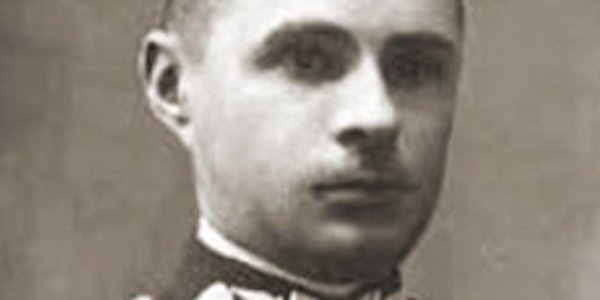
The historical reputation of General Leopold Okulicki, a decorated officer of the Polish Army, has been tarnished in recent years. Once lauded for his service on the battlefield, in staff positions, and in the resistance, he is now sometimes labeled a "military dilettante."
Despite his death in a Moscow prison and recognition by Soviet security chief Gen. Ivan Sierow as a formidable opponent – Sierow described him as "wise, good, a competent intelligence worker" – Okulicki is now being portrayed as a "Russian agent" who provoked the "Warsaw massacre."
This narrative, often based on the accounts of a single "witness" who was absent from crucial pre-uprising meetings, suggests Okulicki, along with Gen. Tadeusz Pełczyński, pushed for the Warsaw Uprising without considering strategic realities. They are depicted as pressuring Gen. Tadeusz Bor-Komorowski, the AK commander, to order the insurrection, with Okulicki allegedly threatening Bor with a fate similar to Gen. Jan Skrzynecki, who was disgraced during the November Uprising.
The article contends that the truth behind the Warsaw Uprising's commencement is far more intricate than these misleading historical accounts suggest, urging a deeper examination beyond simplified, disinformation-fueled narratives.
DistantNews Editorial
Originally published by Rzeczpospolita in Polish. Translated, summarized, and contextualized by our editorial team with added local perspective. Read our editorial standards.
More Stories


From Our Blog

What Gets Lost (and Found) When News Is Translated

The Critical Role of Diaspora Media in Global News

What Travellers Should Know About Countries with Restricted Press

A Digital Nomad's Guide to Following Local News

How the Same Story Looks Different in Different Countries
