

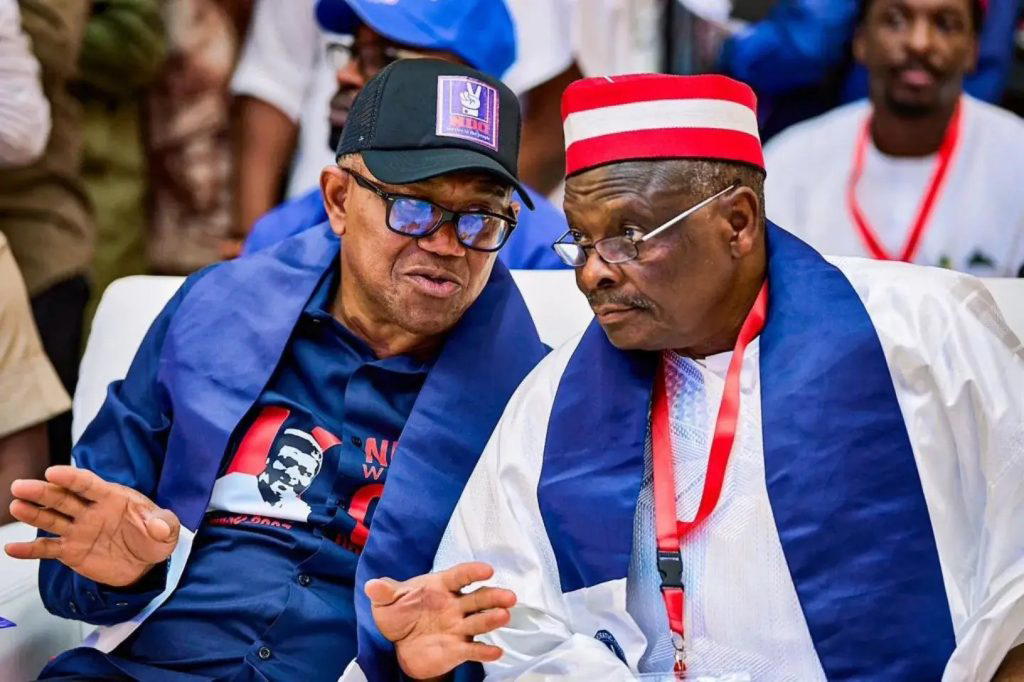
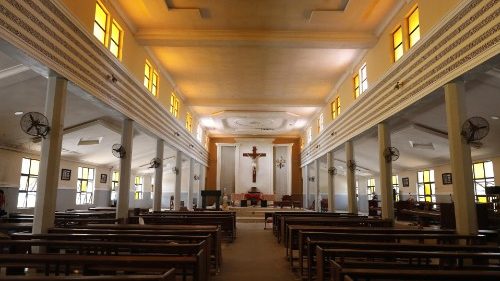
2027 Elections: Church leaders mobilize voters, reject money politics, demand responsible participation
Translated from English, summarized and contextualized by DistantNews.
At a glance
News
Named sources
Context piece
- Christian leaders in Nigeria are urging increased voter participation and a rejection of "money politics" ahead of the 2027 general elections.
- Various denominations, including Pentecostal and Catholic churches, are launching programs for political education and voter mobilization.
- While remaining non-partisan, the Church emphasizes its role in promoting good governance and speaking out against corruption and injustice.
Christian leaders across Nigeria are intensifying efforts to encourage massive voter participation and combat "money politics" as the 2027 general elections approach. The message from Pentecostal fellowships, the Catholic Church, and other denominations is consistent: Nigerians must register, obtain their Permanent Voter Cards, and vote according to their conscience, while resisting electoral manipulation.
Major Christian bodies are rolling out structured programs focused on political education, voter mobilization, and civic awareness. The Pentecostal Fellowship of Nigeria (PFN), for instance, is actively encouraging its members to register and vote for candidates who can genuinely improve citizens' lives and address the nation's security challenges. The PFN has also established directorates of politics and governance within member churches to foster informed participation.
The Church has never been in support of money politics. We have always stated unequivocally that it is the responsibility of government to create a conducive environment for free, fair and credible elections
The Catholic Archdiocese of Lagos has reiterated its stance, emphasizing that the Church encourages full electoral participation without inducement or partisan alignment. The Church, through its Justice, Development and Peace Commission (JDPC), actively promotes civic awareness and good governance. While maintaining a non-partisan position, church leaders assert their responsibility to "speak truth to power," addressing national issues like injustice, corruption, and poor governance.
speak truth to power
DistantNews Editorial
Originally published by Vanguard in English. Translated, summarized, and contextualized by our editorial team with added local perspective. Read our editorial standards.
More Stories

From Our Blog

How the Same Story Looks Different in Different Countries

What Gets Lost (and Found) When News Is Translated

The Critical Role of Diaspora Media in Global News

What Travellers Should Know About Countries with Restricted Press

A Digital Nomad's Guide to Following Local News
