


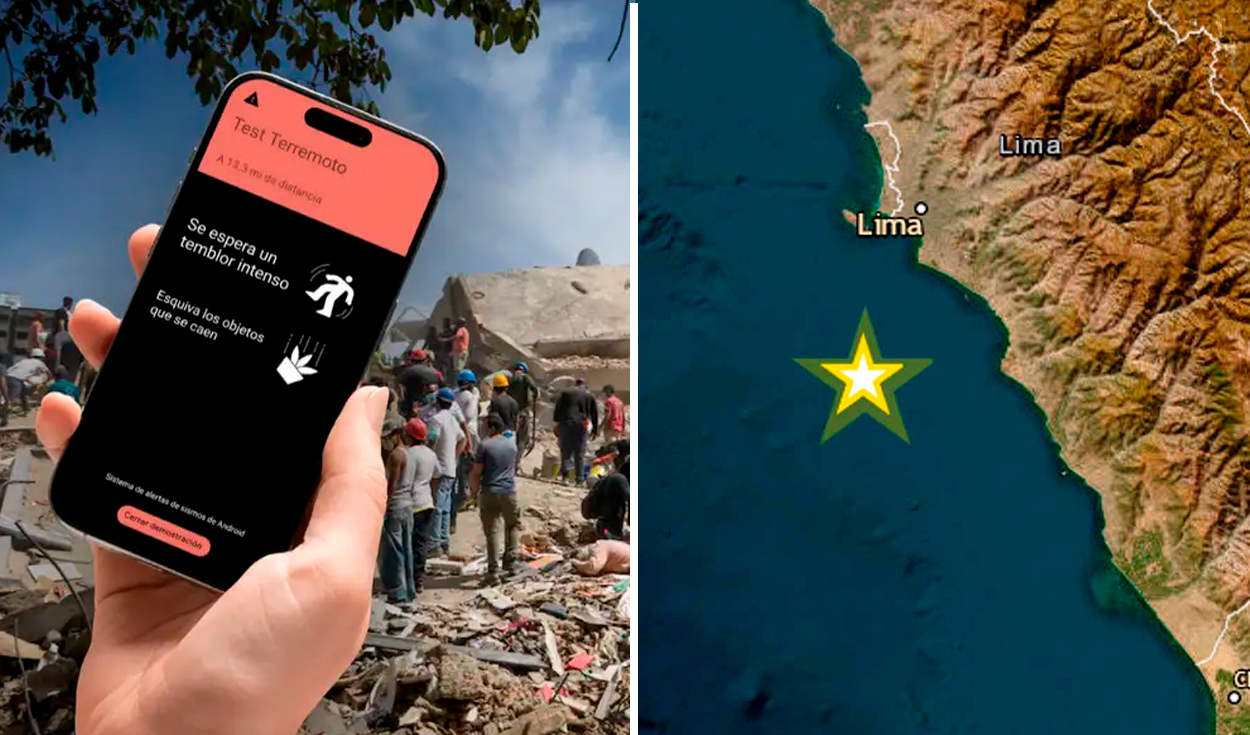
4.8 magnitude quake in Lima: Why seismic alarm didn't sound, IGP responds
Translated from Spanish, summarized and contextualized by DistantNews.
At a glance
News
Sources not specified
Context piece
- A magnitude 4.8 earthquake struck Lima, Peru, on Wednesday morning, surprising many residents.
- The Peruvian Geophysical Institute (IGP) stated that Peru does not currently have an operational official seismic alert system.
- IGP President Hernando Tavera advised citizens to rely on preparedness rather than alarms for safety during tremors.
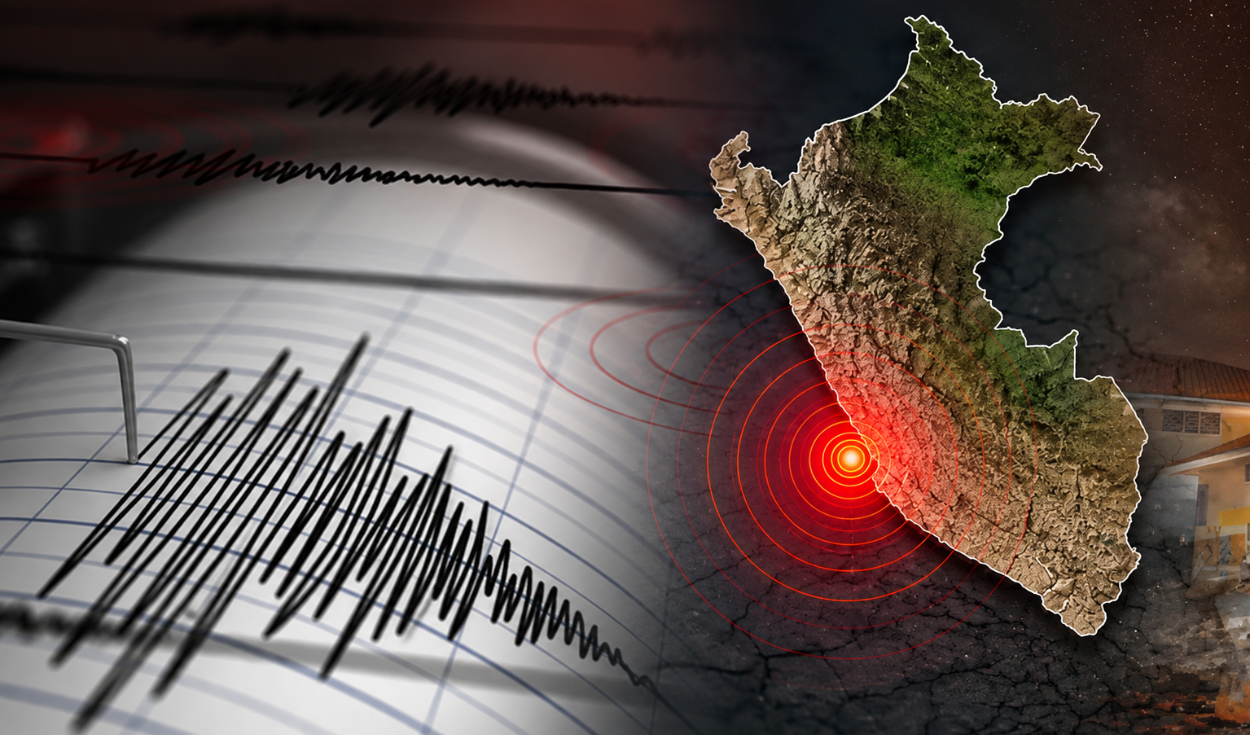
A magnitude 4.8 earthquake jolted Lima, Peru, on Wednesday morning, catching thousands of citizens by surprise and prompting widespread questions about why a seismic alarm did not sound beforehand. The earthquake occurred at 5:28 a.m., with its epicenter located 42 kilometers southwest of Lurín at a depth of 42 kilometers.
Hernando Tavera, president of the Peruvian Geophysical Institute (IGP), explained that Peru lacks an official, operational seismic alert system capable of warning the population prior to earthquakes. While acknowledging that tests of alert systems are underway, Tavera emphasized that no official mechanism currently provides such warnings. He urged the public not to depend on alarms for their safety, stressing that immediate reaction based on prior preparation is crucial.
In the country, there is still no official system that provides this information. Tests are being conducted, and I understand it is about that.
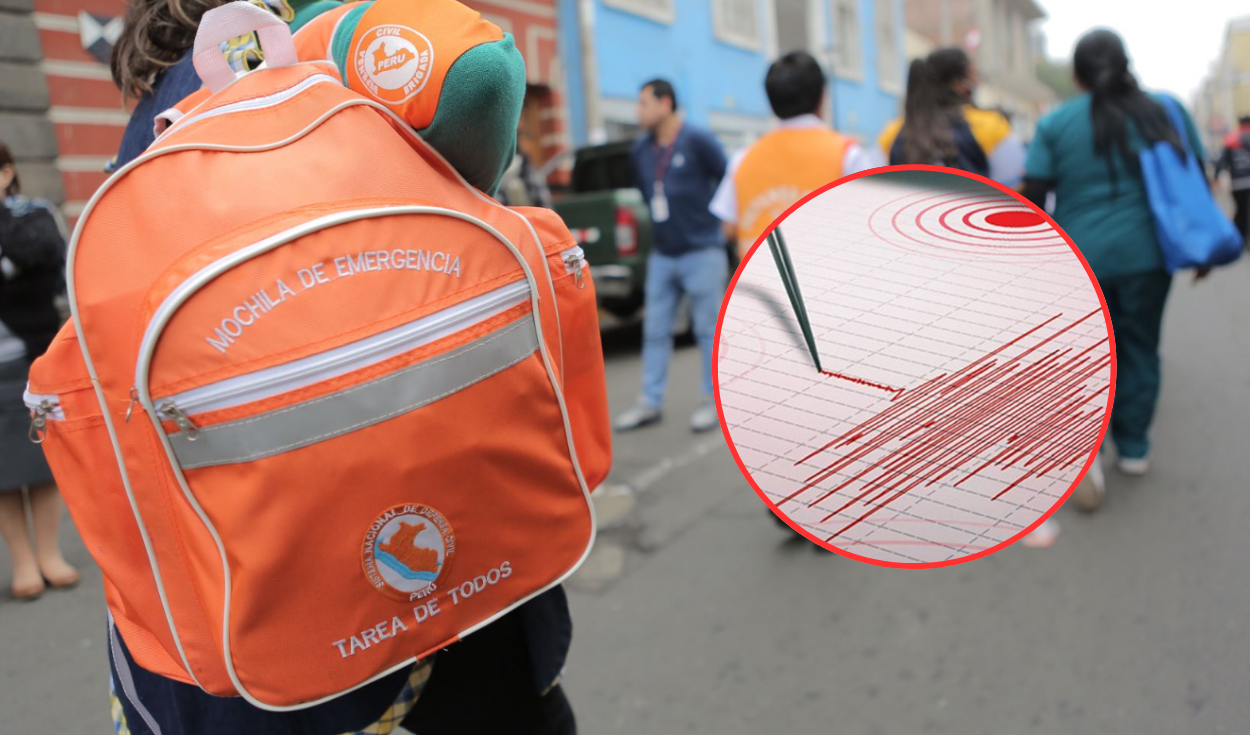
Tavera advised citizens to identify safe zones and evacuation routes within their homes in advance. He reiterated that upon feeling any ground movement, individuals should act immediately and move to a secure location. The IGP president noted that seismic activity is constant in Peru due to the interaction between the Nazca and South American tectonic plates.
Despite the tremor's relatively low intensity of III in Lurín, Tavera suggested that recent seismic events should serve as a catalyst for reinforcing public preparedness. He recommended using these occurrences to inspect homes for potential risks and to ensure clear evacuation plans are in place, underscoring that personal readiness is paramount, regardless of alarm systems.
Beyond whether the alarm sounds or not, it is important that we know what to do at home.
DistantNews Editorial
Originally published by La República in Spanish. Translated, summarized, and contextualized by our editorial team with added local perspective. Read our editorial standards.
More Stories
From Our Blog

What Gets Lost (and Found) When News Is Translated

The Critical Role of Diaspora Media in Global News

What Travellers Should Know About Countries with Restricted Press

A Digital Nomad's Guide to Following Local News

How the Same Story Looks Different in Different Countries
