


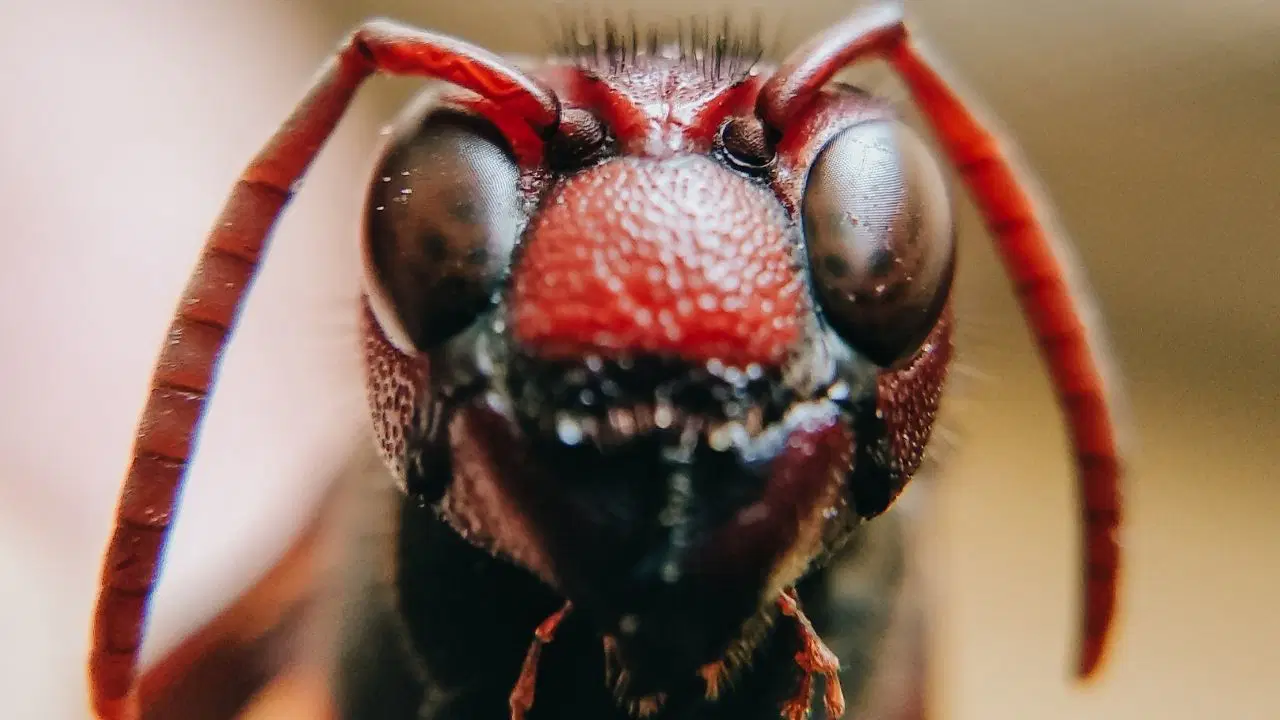
5 lessons on smart decision-making from insects
Translated from Turkish, summarized and contextualized by DistantNews.
At a glance
In-depth
Sources not specified
Context piece
- Insects, despite small brains, make surprisingly wise decisions, inspiring algorithms for efficiency in human sectors.
- Ants optimize food searches through pheromone trails, collectively finding the shortest path without central control, a principle used in planning and logistics.
- Bees use a similar decentralized system for choosing new nests, with scout bees reporting back on options.
Insects demonstrate remarkable decision-making skills, offering valuable lessons for optimizing processes in human endeavors. Despite possessing brains the size of poppy seeds, insects like ants and bees exhibit sophisticated problem-solving abilities that have inspired algorithms used in various industries.
Ants are masters of optimization. When faced with multiple food sources, they employ a strategy involving scout ants exploring different paths and leaving pheromone trails. Ants are naturally drawn to stronger trails, which are reinforced by more frequent travel. Over time, this collective behavior leads the colony to converge on the most efficient, often shortest, route to food, even if individual ants aren't aware of the overall optimization. Marco Dorigo, co-director of the Artificial Intelligence Lab at the Free University of Brussels, notes that "the key lesson here is that efficient collective decision-making processes can emerge even without central control." This "ant colony optimization" principle has been applied to fields like railway planning and communication networks, with systems like AntNET developed to efficiently route information.
Similarly, bees utilize a decentralized method when selecting new nesting sites. Scout bees explore various locations and return to the hive to communicate their findings. While the article cuts off before detailing the bees' method, it implies a process analogous to the ants' collective decision-making, highlighting how even simple organisms can achieve complex coordination.
The key lesson here is that efficient collective decision-making processes can emerge even without central control.
DistantNews Editorial
Originally published by Cumhuriyet in Turkish. Translated, summarized, and contextualized by our editorial team with added local perspective. Read our editorial standards.
More Stories



From Our Blog

What Gets Lost (and Found) When News Is Translated

The Critical Role of Diaspora Media in Global News

What Travellers Should Know About Countries with Restricted Press

A Digital Nomad's Guide to Following Local News

How the Same Story Looks Different in Different Countries
