


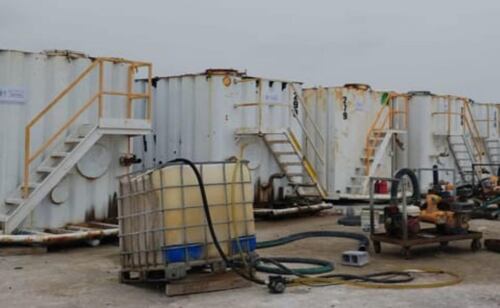
60,000 Liters of Fuel Seized in Tamaulipas Anti-Huachicol Operation
Translated from Spanish, summarized and contextualized by DistantNews.
TLDR
- Authorities in Matamoros, Tamaulipas, seized an industrial property used for illegal hydrocarbon theft and distribution.
- Approximately 60,000 liters of fuel were confiscated during the operation.
- The seizure is part of a broader strategy to combat "huachicol" (fuel theft) and disrupt organized crime financing.
In a significant operation targeting illicit fuel activities, federal security forces have successfully secured an industrial property in Matamoros, Tamaulipas. This site was reportedly being used as a hub for the theft and illegal distribution of hydrocarbons, commonly known as "huachicol" in Mexico. The raid resulted in the confiscation of an estimated 60,000 liters of fuel, a substantial blow to criminal operations in the region.
The operation, a coordinated effort involving the Attorney General's Office (FGR), the National Guard, the Mexican Army, and Pemex's Physical Security personnel, was executed under a search warrant on a property located along the highway to Valle Hermoso. Authorities discovered and seized numerous assets used in the illicit trade, including 13 tanks, eight pumping units, five containers, two fuel tankers, a dry van trailer, and a vehicle, all believed to be instrumental in the storage and transportation of stolen fuel.
This seizure is a critical component of the federal government's ongoing strategy to dismantle "huachicol" networks, which are known to be a significant source of funding for organized crime groups. The Gabinete de Seguridad Federal emphasized that such operations will continue across various regions to reduce criminal activity and weaken the structures that support it. The recent discovery follows a similar operation on April 25 near ejido Progreso Agrario, further demonstrating the persistent efforts to combat fuel theft in Tamaulipas and beyond.
DistantNews Editorial
Originally published by El Universal in Spanish. Translated, summarized, and contextualized by our editorial team with added local perspective. Read our editorial standards.
More Stories


From Our Blog

What Press Freedom Means for the News You Read

What Gets Lost (and Found) When News Is Translated

The Critical Role of Diaspora Media in Global News

What Travellers Should Know About Countries with Restricted Press

A Digital Nomad's Guide to Following Local News
