

70% of Vietnamese Women Avoid Mental Health Support for Fear of Being Labeled 'Crazy'
Translated from Vietnamese, summarized and contextualized by DistantNews.
At a glance
News
Sources not specified
Context piece
- Approximately 70% of Vietnamese women hesitate to seek mental health support due to fear of being labeled "weak" or "crazy."
- Mental health issues, including depression and anxiety, are twice as common in women as in men globally, with specific challenges arising from hormonal fluctuations and societal pressures.
- The article stresses the need for proactive mental health screening and early intervention for women, especially during critical life stages like adolescence, pregnancy, and postpartum.
In Vietnam, a significant barrier to mental well-being persists: around 70% of women shy away from seeking professional help for mental health concerns. This reluctance stems from a deep-seated fear of being perceived as "weak" or "insane," according to Associate Professor Huynh Nguyen Khanh Trang, Head of Obstetrics at Hung Vuong Hospital and Head of the Department of Obstetrics and Gynecology at Pham Ngoc Thach University of Medicine.
Globally, the World Health Organization reports that women experience depression and anxiety at twice the rate of men. Associate Professor Trang highlighted that women's mental health is a complex interplay of biological, psychological, and social factors. Hormonal shifts, particularly the fluctuations of estrogen and progesterone, can impact mood, sleep, and concentration. Compounding these biological factors are the "dual pressures" many women face, balancing family responsibilities with career pursuits.
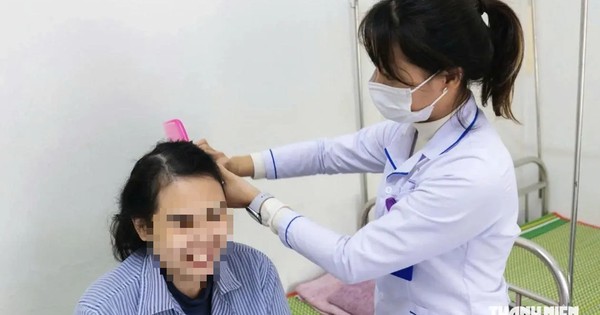
Approximately 70% of women hesitate to seek support when facing mental health issues due to fear of being seen as 'weak' or 'crazy'.
These mental health challenges manifest differently across life stages. During adolescence and adulthood, 3-8% of women may experience premenstrual dysphoric disorder, characterized by irritability, anger, despair, insomnia, or fatigue. In teenagers, signs of self-harm, such as hidden cuts, withdrawal, avoidance of social activities, disrupted sleep or eating patterns, and academic decline, should not be dismissed as mere "stubbornness" or "overreaction."
Women's mental health is an intersection of biological, psychological, and social factors.
For working women, the "dual burden" significantly increases the risk of burnout, with studies indicating that 46% of women experience burnout compared to 38% of men. The postpartum period is also critical, with about 1 in 7 women experiencing postpartum depression, which Trang emphasizes is a medical condition, not a sign of laziness or inadequacy. Severe cases, like postpartum psychosis, occurring in 1-2 per 1,000 births, are psychiatric emergencies requiring immediate medical attention due to the risk of suicide or harm to the infant.
Associate Professor Trang advocates for a shift from reactive treatment to proactive identification, screening, and early intervention. The obstetrics field is increasingly integrating mental health screenings into routine check-ups to detect risks during pregnancy, postpartum, and within the wider community.
This is a psychiatric emergency with a risk of suicide. The patient needs to be taken to a medical facility for immediate examination.
DistantNews Editorial
Originally published by Thanh Niên in Vietnamese. Translated, summarized, and contextualized by our editorial team with added local perspective. Read our editorial standards.
More Stories
From Our Blog

What Gets Lost (and Found) When News Is Translated

The Critical Role of Diaspora Media in Global News

What Travellers Should Know About Countries with Restricted Press

A Digital Nomad's Guide to Following Local News

How the Same Story Looks Different in Different Countries
