


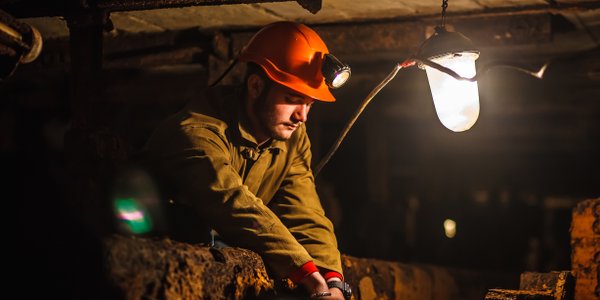
82 unions in one company: 100 million PLN in unionization costs in mining
Translated from Polish, summarized and contextualized by DistantNews.
At a glance
News
Named sources
Context piece
- Poland's largest mining companies, including PGG and JSW, spend tens of millions of zlotys annually on maintaining a large number of trade union representatives.
- In PGG, around 240 employees are seconded to union work, costing approximately 48 million PLN yearly, while JSW spent 191.6 million PLN between 2015 and 2024.
- Experts and some union members suggest that the excessive number of unions, rather than wages, is the primary issue, though major union federations still hold significant influence.
Poland's major mining companies are incurring substantial costs due to the large number of trade union representatives seconded to union work. In the Polish Mining Group (PGG), the country's largest mining firm, approximately 240 employees are dedicated to union activities, costing the company around 48 million PLN annually. This figure highlights a significant financial commitment to maintaining union operations within the company's 17 operational sites and nearly 35,000 employees.
Jastrzębska Spółka Węglowa (JSW) has reported even higher expenses, with costs related to union functions reaching 191.6 million PLN between 2015 and 2024, averaging about 19 million PLN per year. In 2025 alone, JSW's union-related costs amounted to approximately 34.3 million PLN. These figures are influenced by general wage increases across the company, as seconded union employees receive salaries based on their average earnings from the three months prior to their union assignment.
Other mining firms also report considerable expenditures. Południowy Koncern Węglowy (PKW) spends 11.9 million PLN in 2025 for 50 employees permanently or temporarily assigned to union duties. LW Bogdanka, a smaller mine with nearly 5,000 employees, has only 9 employees seconded to union work, but does not disclose the associated costs. The number of union representatives often correlates with the number of employees and mining sites.
Despite these costs, representatives from mining unions emphasize that they do not generate additional expenses beyond salaries and that they also participate in salary limitations. They point out that employers, not employees, initiate secondments. While the sheer number of unions and representatives presents a significant cost, major union federations continue to wield considerable influence in the sector, suggesting that the structure, rather than the existence, of unions is the core issue for some observers.
DistantNews Editorial
Originally published by Rzeczpospolita in Polish. Translated, summarized, and contextualized by our editorial team with added local perspective. Read our editorial standards.
More Stories

From Our Blog

What Gets Lost (and Found) When News Is Translated

The Critical Role of Diaspora Media in Global News

What Travellers Should Know About Countries with Restricted Press

A Digital Nomad's Guide to Following Local News

How the Same Story Looks Different in Different Countries
