


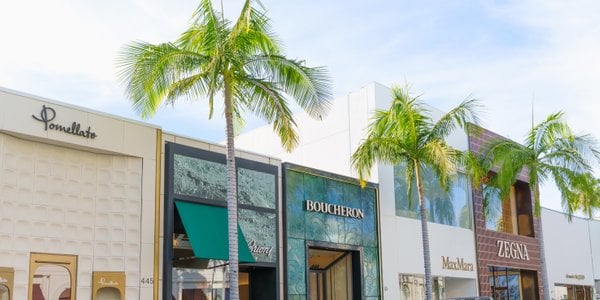
Luxury brands tap into new generation of AI millionaires in U.S.
Translated from Polish, summarized and contextualized by DistantNews.
At a glance
News
From a news agency
Context piece
- The rise of AI startups has created a new generation of wealthy consumers, particularly in the United States, benefiting luxury brands.
- European luxury brands are increasing their presence in the U.S. by opening new boutiques and hosting fashion shows.
- While the U.S. and parts of Asia show sales growth, the luxury market faces a "two-speed" reality due to regional economic factors and geopolitical events.
The burgeoning field of artificial intelligence has unexpectedly fueled the growth of a new demographic of affluent consumers, especially within the United States. This trend presents a significant opportunity for high-end European brands that have been navigating a global downturn in demand.
Startups focused on AI technologies are rapidly emerging and achieving considerable success, particularly in the U.S. These ventures are cultivating a new cohort of wealthy individuals, often referred to as "tech bros," who are now targets for premium European fashion houses. These brands are actively seeking ways to capture the attention of these potential clients through appealing offers and strategic market presence.
Luxury companies are visibly expanding their footprint in the U.S., with a notable increase in new boutique openings. Real estate firm Savills reports a roughly 27% rise in store openings by European luxury brands in the U.S. last year, the highest growth globally. Fashion shows featuring the latest collections are also becoming more common in the States, with recent events by Dior and Gucci, and Zegna scheduled to present its Spring 2027 collection soon.
Data from the U.S. Federal Reserve indicates that the wealthiest 10% of Americans held approximately 45.8% of the nation's purchasing power in the final quarter of 2025. This figure reflects a generally upward trend over the past 25 years, providing ample room for luxury brands to compensate for a prolonged industry slump. However, the market is experiencing a "two-speed" dynamic, according to consultants cited by Reuters. While regions like the Middle East and Europe see fewer tourist shoppers, the U.S. and certain Asian countries are reporting increased sales for brands such as Brunello Cucinelli, Ferragamo, Zegna, Prada, Burberry, Moncler, Hermès, Richemont, LVMH, Ralph Lauren, and Tapestry. Concerns remain about China's ongoing financial crisis, which continues to impact its market for luxury goods.
DistantNews Editorial
Originally published by Rzeczpospolita in Polish. Translated, summarized, and contextualized by our editorial team with added local perspective. Read our editorial standards.
More Stories



From Our Blog

What Gets Lost (and Found) When News Is Translated

The Critical Role of Diaspora Media in Global News

What Travellers Should Know About Countries with Restricted Press

A Digital Nomad's Guide to Following Local News

How the Same Story Looks Different in Different Countries
