

9 in 10 South Koreans Agree on Expanding Antarctic Marine Protected Areas
Translated from Korean, summarized and contextualized by DistantNews.
At a glance
News
Sources not specified
Context piece
- A survey shows 90.5% of South Koreans believe polar marine areas need stronger protection, with 88.3% agreeing to expand Antarctic marine protected areas.
- The results were released by the Climate and Ocean Policy Research Institute (CORI) during an online webinar on World Krill Day.
- The webinar discussed krill's role in the Antarctic ecosystem, climate change, and conservation challenges, with international participation.
A significant majority of South Koreans support expanding marine protected areas in the Antarctic, according to a recent survey. The Climate and Ocean Policy Research Institute (CORI) revealed that 90.5% of adults surveyed believe polar marine environments require enhanced protection.
Specifically, 88.3% of respondents agreed with expanding the Antarctic Marine Protected Area (MPA). This public sentiment aligns with global conservation goals, as 82.1% of those surveyed also supported the "30by30" target to protect 30% of the world's land and oceans by 2030.
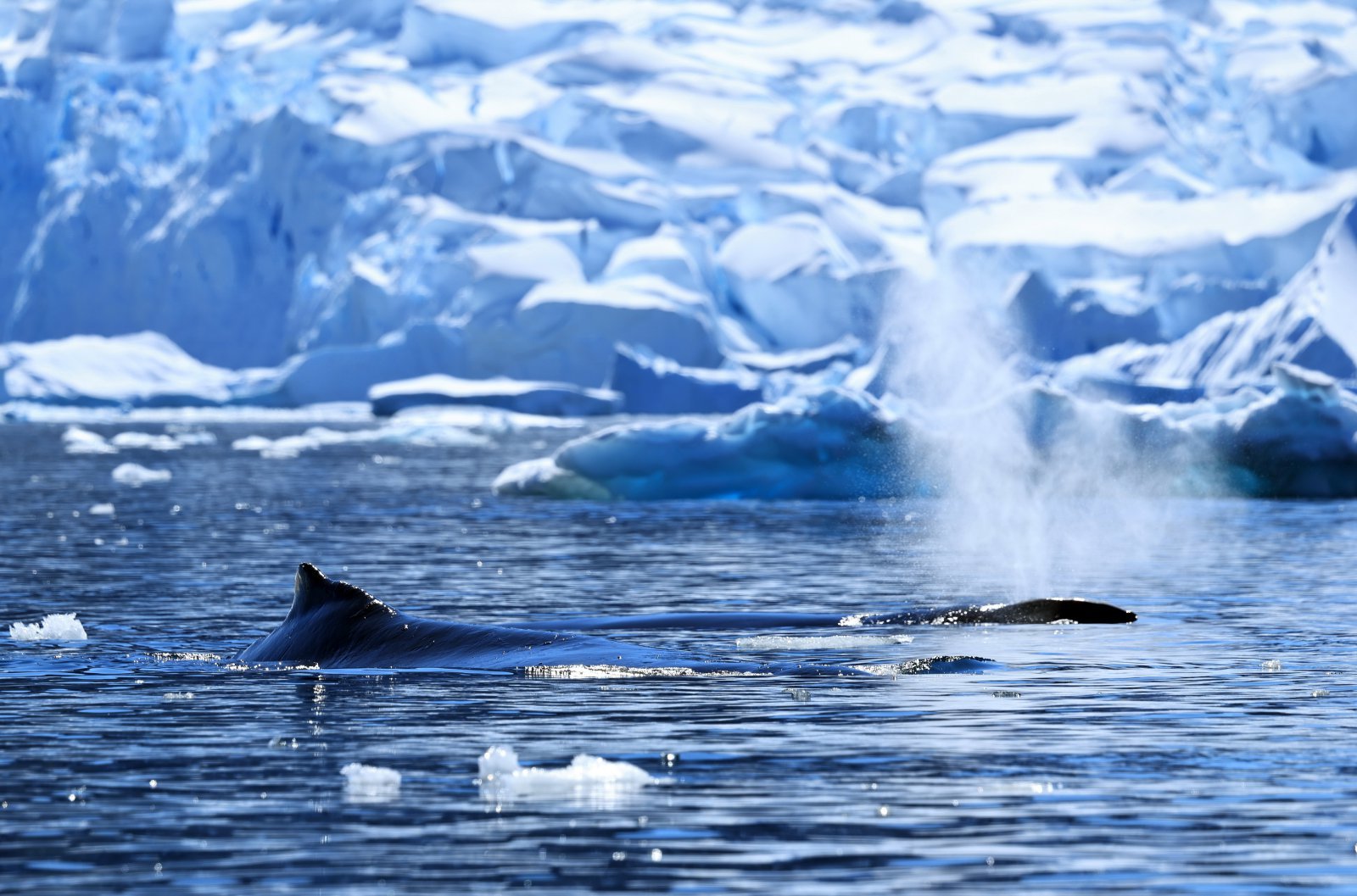
Antarctic krill are a key species in the Antarctic food web, and the story of krill leads to questions about climate change, marine conservation, and how the international community will protect the Antarctic and its ocean together.
CORI hosted an online webinar on World Krill Day to discuss the future of krill, climate change, and peace in the Antarctic. The event brought together international participants from various regions, including South Korea, China, Japan, Africa, Europe, North America, and South America. The discussions focused on krill's critical role in the Antarctic food web, the impacts of climate change, and conservation challenges related to krill fishing.
Presentations included insights from marine ecologist Dr. Matthew Savoca on conservation challenges arising from whale population recovery and krill fishing, and Antarctic photographer John Weller shared experiences on designating the Ross Sea MPA through international cooperation. Young participants from Korea, China, and Japan also presented their views on krill and Antarctic conservation, exploring future engagement strategies. CORI plans to expand these youth engagement programs leading up to the 49th Antarctic Treaty Consultative Meeting (ATCM) in South Korea in 2027.
This is a very important time for Antarctic governance, and youth participation is also important.
DistantNews Editorial
Originally published by Dong-A Ilbo in Korean. Translated, summarized, and contextualized by our editorial team with added local perspective. Read our editorial standards.
More Stories


From Our Blog

What Gets Lost (and Found) When News Is Translated

The Critical Role of Diaspora Media in Global News

What Travellers Should Know About Countries with Restricted Press

A Digital Nomad's Guide to Following Local News

How the Same Story Looks Different in Different Countries
