


A Crocodile Unlike Today's, But in Patagonia: The Discovery of an 85-Million-Year-Old Fossil That Surprises
Translated from Spanish, summarized and contextualized by DistantNews.
TLDR
- Scientists in Patagonia discovered fossils of a crocodile relative that lived approximately 85 million years ago.
- These ancient crocodiles differed significantly from modern ones, being smaller, terrestrial, and possessing an upright posture similar to mammals.
- The find, potentially belonging to the species *Notosuchus terrestris*, will aid in understanding the diversity and evolution of South American reptiles.
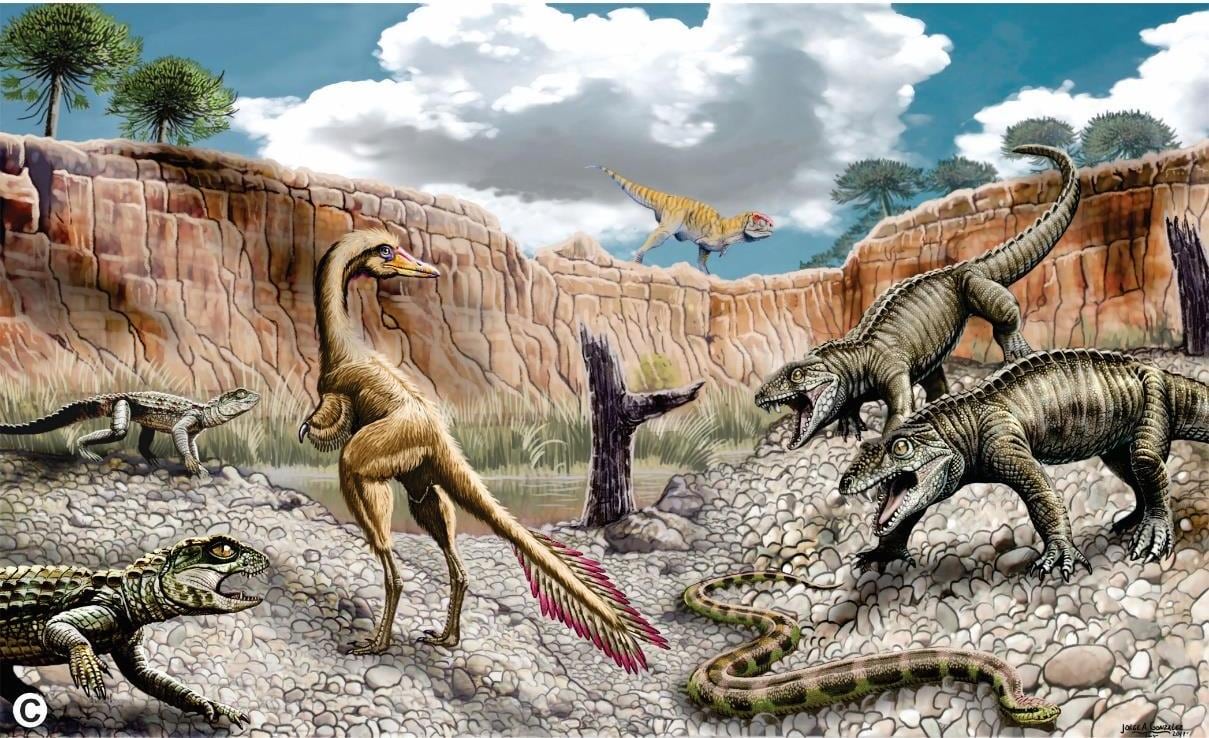
In a remarkable discovery that rewrites our understanding of ancient life in Patagonia, scientists from Argentina's CONICET have unearthed the fossilized remains of a crocodile species that roamed the region 85 million years ago. This find, reported by La Nación, challenges conventional notions of what these prehistoric reptiles were like. Unlike their modern, semi-aquatic, predatory descendants, these ancient creatures were distinctly terrestrial, smaller in stature, and moved with an agile, upright gait reminiscent of mammals.
Their posture was also different: they walked with their legs upright, located under the body, which gave them a more agile and elevated gait, similar to a modern mammal, in contrast to the more splayed, legs-open, close-to-the-ground gait of modern crocodiles.
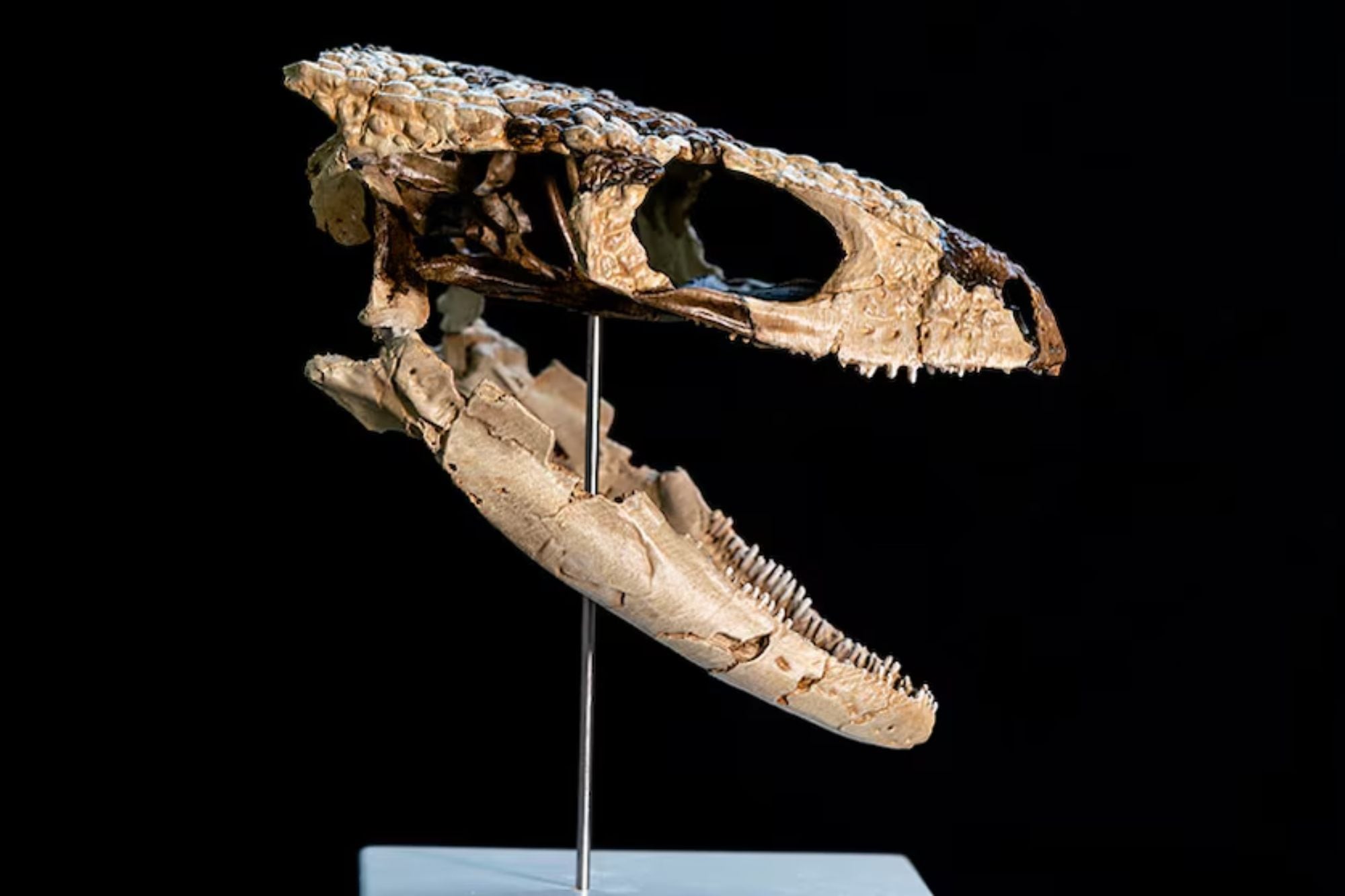
This discovery, made in the General Roca area of Río Negro province, is particularly significant for paleontologists studying the evolution of reptiles in South America. The fossils, which include cranial and post-cranial elements, offer a rare glimpse into the diversity of life during the Late Cretaceous period. While the exact species is yet to be confirmed, researchers suspect it may be *Notosuchus terrestris*, a previously known but less understood Patagonian inhabitant. The ongoing preparation and study of these fossils promise to shed further light on their unique adaptations and ecological roles.
We are still unsure of the species to which the remains belong, but based on the characteristics observed in the recovered materials, we infer that it could be Notosuchus terrestris, one of the most abundant species in Patagonia.
The implications of this find extend beyond mere scientific curiosity. It underscores the rich paleontological heritage of Patagonia and Argentina's crucial role in uncovering the planet's deep history. For us at La Nación, reporting on such discoveries highlights the scientific prowess within our country and the extraordinary natural history waiting to be unearthed in our own backyard. This ancient Patagonian crocodile, so different from its modern kin, serves as a potent reminder of the dynamic evolutionary processes that have shaped life on Earth.
When the preparation of the material is finished, we will begin the study, within a few months.
DistantNews Editorial
Originally published by La Nación in Spanish. Translated, summarized, and contextualized by our editorial team with added local perspective. Read our editorial standards.
More Stories


From Our Blog

What Gets Lost (and Found) When News Is Translated

The Critical Role of Diaspora Media in Global News

What Travellers Should Know About Countries with Restricted Press

A Digital Nomad's Guide to Following Local News

How the Same Story Looks Different in Different Countries
