


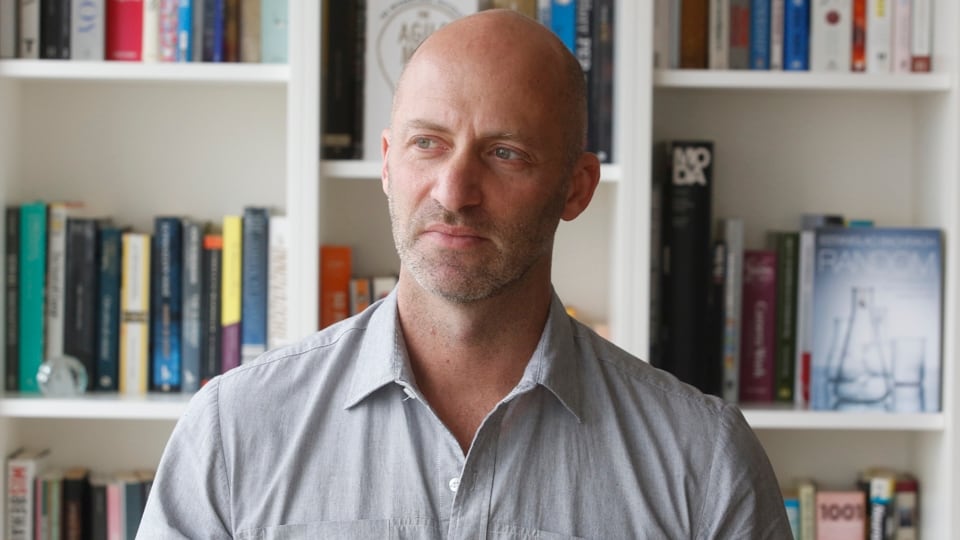
Estanislao Bachrach: “Well-being or decision-making doesn’t depend on what I have, but on what I am and what I want to be”
Translated from Spanish, summarized and contextualized by DistantNews.
TLDR
- Molecular biologist Estanislao Bachrach emphasizes that personal well-being and decision-making depend more on one's identity and aspirations than on possessions.
- He advocates for self-knowledge, accessible to everyone, though often requiring guidance from experts like coaches or therapists.
- Bachrach highlights that consistent practice, particularly meditation, can physically alter brain structure and function, but sustained effort is crucial for lasting change.
In a world often driven by the pursuit of material wealth, Dr. Estanislao Bachrach offers a profound shift in perspective, asserting that true personal fulfillment and effective decision-making stem not from what we possess, but from who we are and who we aspire to be. His insights, shared in a recent interview with LA NACION, challenge the conventional wisdom that equates success with accumulation, instead pointing towards the power of self-awareness and intentional living.
I believe anyone can access it. Many of us cannot access it alone; we need a coach, a therapist, a best friend. Sometimes, one illuminates oneself by reading a book or listening to a podcast. It requires discipline, time, effort, attention – what we adults say we don't have – but I believe anyone can access it.
Bachrach’s core message resonates deeply: our sense of well-being and our capacity to make sound choices are intrinsically linked to our inner state—our values, our goals, and our sense of self. This journey toward self-knowledge, he argues, is universally accessible. While external guidance from therapists, coaches, or even trusted friends can be invaluable, the ultimate power lies within each individual to cultivate this awareness. It requires discipline, time, and attention—qualities often scarce in our fast-paced adult lives, yet essential for unlocking personal growth.
Although the word is a bit bastardized or battered, I think it is gaining strength. People are realizing that well-being or decision-making do not depend so much on what I have, but on what I am and what I want to be.
Furthermore, Bachrach underscores the tangible, scientific basis for his philosophy. He explains that practices like meditation are not mere spiritual exercises but potent tools that can physically reshape the brain. Neuroplasticity, the brain's ability to reorganize itself by forming new neural connections, is activated through consistent mental training. This scientific validation lends weight to the idea that by consciously directing our attention, we can alter our brain's structure and function, leading to enhanced emotional regulation and cognitive clarity. The challenge, as he rightly points out, lies in the sustained commitment required; the benefits fade if the practice is not maintained, much like physical fitness requires ongoing effort.
The practice constantly modifies neurons. It begins to modify the structure and, sometimes, the function of certain areas of the brain, of neurons. Especially attention, because meditating is bringing attention to one place.
As a publication committed to exploring the nuances of personal development and societal well-being, LA NACION finds Bachrach's perspective particularly relevant. His emphasis on internal locus of control—that our well-being is determined by our inner self rather than external circumstances—is a powerful antidote to the anxieties of modern life. His work reminds us that the most valuable resources we possess are not material, but the capacity for self-reflection, intentionality, and the courage to define ourselves by our aspirations rather than our possessions. This is a message that empowers individuals to take control of their inner world, fostering a more resilient and fulfilling existence.
The great challenge is to sustain it over time, because if you go to the gym to do biceps for two months and then you stop going, the muscle returns to its place. The same happens with the brain. If you train with meditation for several months and then stop meditating, it goes back.
DistantNews Editorial
Originally published by La Nación in Spanish. Translated, summarized, and contextualized by our editorial team with added local perspective. Read our editorial standards.
More Stories


From Our Blog

What Gets Lost (and Found) When News Is Translated

The Critical Role of Diaspora Media in Global News

What Travellers Should Know About Countries with Restricted Press

A Digital Nomad's Guide to Following Local News

How the Same Story Looks Different in Different Countries
