

Earth Day 2026: Why We Celebrate on April 22nd
Translated from Spanish, summarized and contextualized by DistantNews.
TLDR
- Earth Day, celebrated annually on April 22nd, aims to raise awareness about the critical importance of environmental protection.
- The day's origins trace back to 1970 with a protest led by students and activist Gaylord Nelson, leading to the formation of the Environmental Protection Agency (EPA).
- Key environmental concerns highlighted include global warming, plastic pollution, and food waste, with recent data showing record-breaking heat and significant declines in wildlife populations.
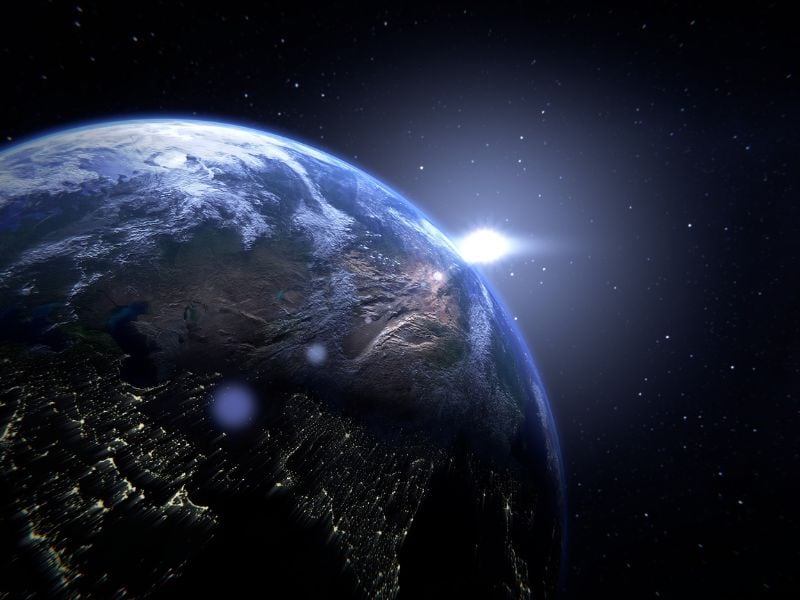
As the world marks Earth Day on April 22nd, the observance serves as a crucial reminder of the planet's escalating environmental crisis, driven by human activity such as mass production, pollution, and deforestation. This annual commemoration, officially recognized by the United Nations since 2009, has its roots in a pivotal 1970 environmental protest in the United States, inspired by earlier environmental awareness initiatives. The day's significance is amplified by alarming contemporary data: 2024 was the hottest year on record, with greenhouse gas emissions, largely from fossil fuel combustion, concentrating heat. Furthermore, a stark decline in biodiversity, with a 68% average decrease in wildlife populations between 1970 and 2016, underscores the severity of the ecological damage. Plastic pollution, a byproduct of industrialization, also remains a major concern, with a minuscule fraction of the over 400 million tons produced annually being recycled. The staggering figure of 1 billion tons of food wasted in 2024 further compounds these issues. Earth Day 2026 is therefore not just a day of remembrance, but an urgent call to action, urging global consciousness and the adoption of sustainable practices to mitigate these pressing environmental threats.
DistantNews Editorial
Originally published by La Nación in Spanish. Translated, summarized, and contextualized by our editorial team with added local perspective. Read our editorial standards.
More Stories



From Our Blog

What Gets Lost (and Found) When News Is Translated

The Critical Role of Diaspora Media in Global News

What Travellers Should Know About Countries with Restricted Press

A Digital Nomad's Guide to Following Local News

How the Same Story Looks Different in Different Countries
