

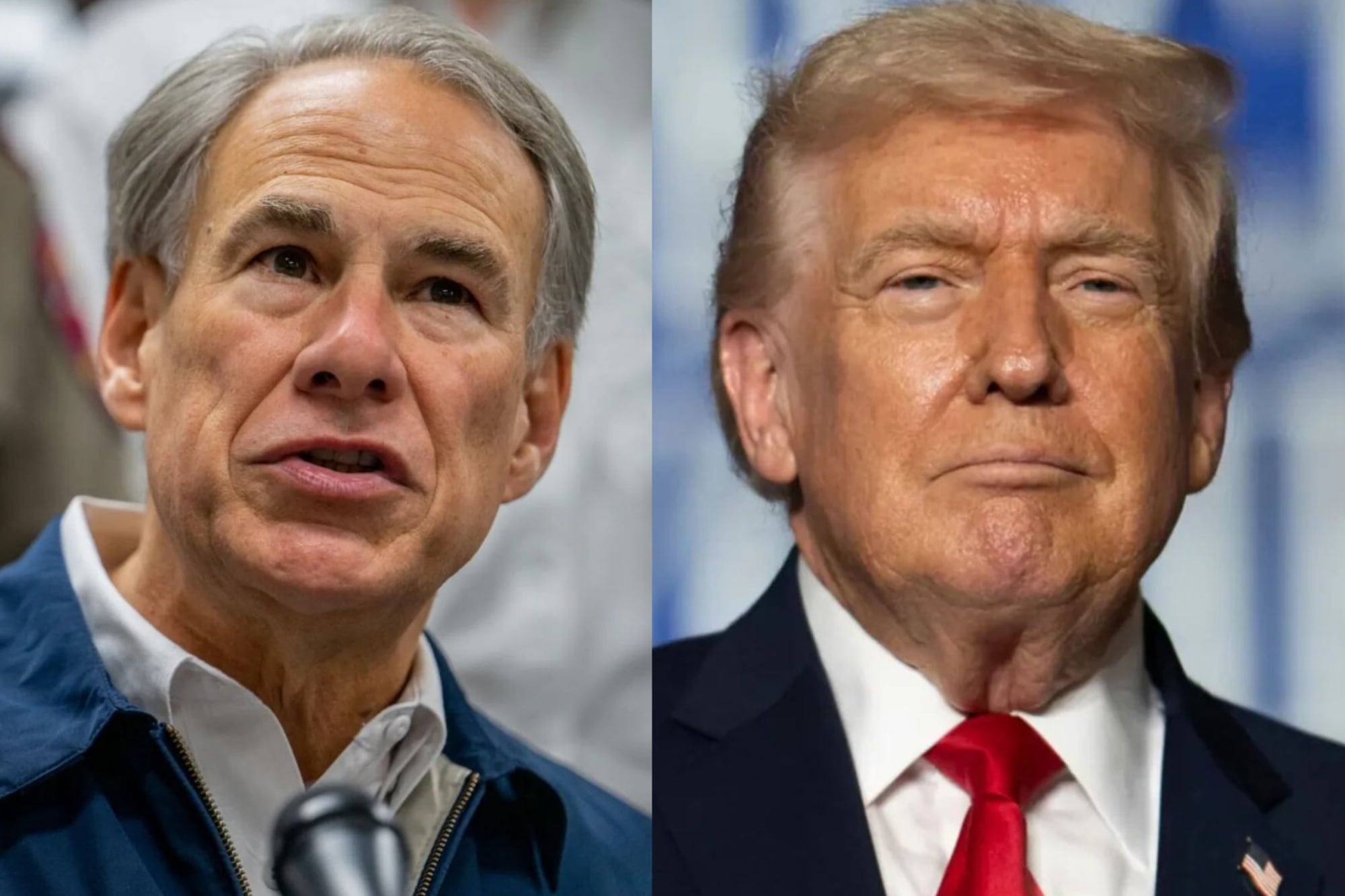
Abbott and Trump Propose FEMA Reforms: What Would Change for Texans Affected by Natural Disasters
Translated from Spanish, summarized and contextualized by DistantNews.
TLDR
- Texas Governor Greg Abbott supports recommendations from the FEMA Review Council, established by former President Donald Trump, to reform the Federal Emergency Management Agency.
- The council proposes making FEMA more agile and empowering states and local communities with greater responsibility for disaster response and recovery.
- Proposed changes include simplifying administrative processes, strengthening regional operations, and potentially raising federal disaster declaration requirements to encourage more state-level self-sufficiency.
Texas, a state perpetually on the front lines of natural disasters ranging from devastating hurricanes along the Gulf Coast to widespread wildfires and severe storms, is advocating for a significant overhaul of how federal disaster aid is managed. Governor Greg Abbott has thrown his support behind the recommendations of the FEMA Review Council, an initiative spearheaded by former President Donald Trump, aiming to reshape the Federal Emergency Management Agency into a more responsive and less bureaucratic entity.
The core of this proposed reform centers on a fundamental shift in FEMA's role: from a primary authority to a supportive partner. The council's findings suggest that states and local governments should shoulder more direct responsibility in disaster preparedness, resource coordination, and recovery efforts. For Texas, this aligns with its long-standing assertion that its state-level emergency management division is capable of swift and effective responses, honed by years of confronting diverse extreme weather events.
This push for decentralization is driven by a critique of FEMA's current operational model, which the council deems 'slow, confusing, and inefficient.' The proposed solutions include streamlining lengthy environmental and administrative reviews that often delay reconstruction, bolstering regional FEMA offices to reduce the dominance of Washington D.C. headquarters, and potentially increasing the threshold for declaring a federal disaster. The latter point implies that smaller-scale events might fall under state purview, fostering greater self-reliance.
From a Texan perspective, this reform is not just about bureaucratic efficiency; it's about recognizing the unique challenges and capabilities of states like Texas. The state's vastness and varied climate mean it faces a constant barrage of natural threats, necessitating a flexible and empowered local response system. While international observers might see this as a political maneuver or a critique of federal overreach, for Texans, it represents a pragmatic effort to ensure that aid is delivered more effectively and that state and local authorities are better equipped to protect their citizens when disaster strikes.
DistantNews Editorial
Originally published by La Nación in Spanish. Translated, summarized, and contextualized by our editorial team with added local perspective. Read our editorial standards.
More Stories


From Our Blog

What Gets Lost (and Found) When News Is Translated

The Critical Role of Diaspora Media in Global News

What Travellers Should Know About Countries with Restricted Press

A Digital Nomad's Guide to Following Local News

How the Same Story Looks Different in Different Countries
