

ACEA: Electrification is Key to Europe's Energy Security and Decarbonization
Translated from Polish, summarized and contextualized by DistantNews.
At a glance
News
Sources not specified
Context piece
- The European Automobile Manufacturers' Association (ACEA) argues that electrification is key to Europe's energy security and decarbonization, reducing reliance on imported fossil fuels.
- ACEA estimates that electrification, combined with renewables and system flexibility, could save hundreds of billions of euros by 2040 and halve import dependency.
- While progress in road transport electrification is slower, ACEA urges bold actions to boost demand, lower electricity costs, and develop charging infrastructure.
Electrification is crucial for Europe's energy security and decarbonization efforts, according to the European Automobile Manufacturers' Association (ACEA). The organization believes that transitioning to domestically sourced renewable energy carriers will strengthen the continent's energy system resilience by replacing imported fossil fuels.
Electrification is a key factor influencing Europe's energy security and decarbonization, strengthening the system's resilience by replacing imported fossil fuels with domestic energy carriers from renewable sources.
ACEA projects that an integrated approach to electrification, encompassing the entire energy system and utilizing all available decarbonization technologies, including renewables, energy storage, and smart energy infrastructure, will be vital. The association estimates that by 2040, electrification, coupled with renewable energy sources and enhanced system flexibility, could yield savings in the hundreds of billions of euros. Furthermore, it could halve Europe's dependence on energy imports, with every euro invested in power grids potentially generating over two euros in system operating cost savings by that time.
Electrification – combined with renewable energy sources and increased system flexibility – could bring savings of hundreds of billions of euros by 2040, while halving our import dependency. Every euro invested in power grids could bring more than two euros in system operating cost savings by then.
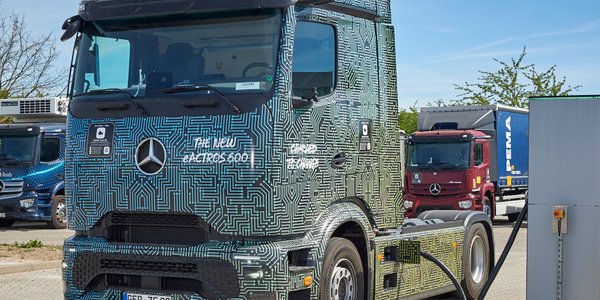
Significant investments, exceeding 200 billion euros, have already been made in vehicle electrification, showing tangible results. Battery-electric passenger cars now account for over 20% of new registrations, contributing to a reduction in annual crude oil imports by nearly 4 billion barrels. However, ACEA acknowledges that progress in electrifying road freight transport lags considerably, with battery-electric trucks representing only 2.3% of registrations in the first quarter.
Investments in the electrification of road transport have exceeded €200 billion and are already yielding results: electric (battery) passenger car models account for over 20% of registrations, allowing the EU to reduce crude oil imports by nearly 4 billion barrels annually.
ACEA is calling for concrete actions beyond general targets to accelerate the trend across the EU. They urge policymakers to support demand growth, reduce electricity costs, facilitate the expansion of charging infrastructure, promote smart and bidirectional charging, and unlock private investment. The association emphasizes that these measures will bolster Europe's energy independence and position the EU as a leader in the zero-emission transport and energy revolution, which must remain open to all effective decarbonization technologies.
We call for moving beyond general goals and taking bold, concrete actions that will support demand growth, lower electricity costs, facilitate the development of charging infrastructure, promote smart and bidirectional charging, and unlock private investment.
DistantNews Editorial
Originally published by Rzeczpospolita in Polish. Translated, summarized, and contextualized by our editorial team with added local perspective. Read our editorial standards.
More Stories
From Our Blog

What Gets Lost (and Found) When News Is Translated

The Critical Role of Diaspora Media in Global News

What Travellers Should Know About Countries with Restricted Press

A Digital Nomad's Guide to Following Local News

How the Same Story Looks Different in Different Countries
