


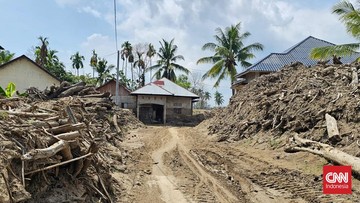
Aceh Extends Emergency Recovery Status for 90 Days Amid Flood and Landslide Aftermath
Translated from Indonesian, summarized and contextualized by DistantNews.
TLDR
- The Aceh provincial government has extended its emergency transition status for 90 days, from April 28 to July 30, 2026, to aid recovery from severe flooding and landslides in late 2025.
- This extension aims to accelerate rehabilitation and reconstruction efforts, focusing on infrastructure repair, temporary housing, and social protection for affected communities.
- Provincial officials have outlined six priority steps, including completing emergency infrastructure repairs and ensuring sustainable funding for long-term rebuilding.
Aceh is once again facing the daunting task of recovery following the devastating floods and landslides that struck late last year. The provincial government's decision to extend the emergency transition status for another 90 days, from April 28 to July 30, 2026, underscores the scale of the challenge and the commitment to ensuring a thorough and effective rehabilitation process.
This extension is not merely a bureaucratic measure; it is a critical step to accelerate the much-needed work of rebuilding homes, restoring essential infrastructure like roads and bridges, and providing vital support to those displaced. The six priority steps outlined by the Vice Governor, Fadhlullah, demonstrate a clear roadmap for recovery, emphasizing the repair of damaged facilities, the provision of temporary and permanent housing, and crucial social protection for victims.
Kami menetapkan perpanjangan status transisi darurat ke pemulihan bencana hidrometeorologi Aceh selama 90 hari, terhitung mulai 28 April sampai dengan 30 Juli 2026
From our perspective here in Aceh, the focus must remain on the tangible needs of our people. While international attention may wane, the daily reality for thousands involves rebuilding lives from scratch. The government's emphasis on harmonizing responsibilities between central, provincial, and local authorities is crucial. We must ensure that aid reaches those who need it most and that reconstruction efforts are sustainable, preventing future disasters from having such a catastrophic impact.
This period of transition is vital. It allows for a more systematic approach to recovery, moving beyond immediate emergency response to long-term resilience. The commitment to strengthening disaster mitigation and preparedness is also paramount, as climate change makes such events more frequent and severe. Aceh's resilience will be tested, but with a focused and coordinated effort, we can emerge stronger.
Persiapkan sebaik mungkin tahapan pelaksanaan rehabilitasi dan rekonstruksi pascabencana, harmonisasi serta sinkronisasi kewenangan masing-masing pihak, dan pastikan pendanaan yang berkelanjutan
DistantNews Editorial
Originally published by CNN Indonesia in Indonesian. Translated, summarized, and contextualized by our editorial team with added local perspective. Read our editorial standards.
More Stories


From Our Blog

What Gets Lost (and Found) When News Is Translated

The Critical Role of Diaspora Media in Global News

What Travellers Should Know About Countries with Restricted Press

A Digital Nomad's Guide to Following Local News

How the Same Story Looks Different in Different Countries
