

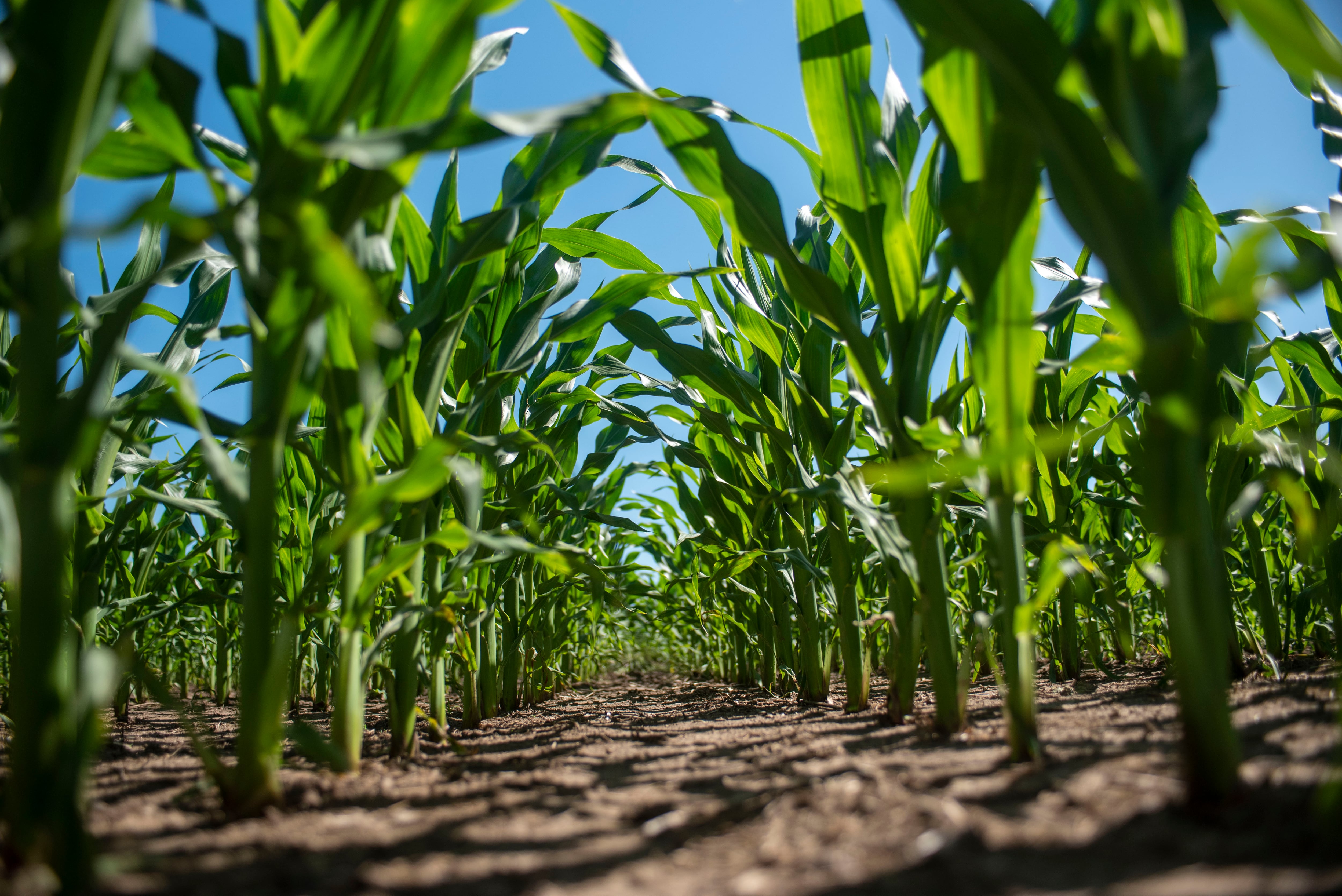

Agricultural Campaign 2026/27: A Puzzle to Assemble with Care
Translated from Spanish, summarized and contextualized by DistantNews.
At a glance
Analysis
Named sources
Context piece
- Farmers should adopt diversified agricultural plans for the 2026/27 season due to anticipated volatility.
- Factors like the Middle East conflict and climate change (El Niño) create uncertainty in input and grain prices.
- Diversification and flexible commercial strategies are recommended to ensure profitability.
The 2026/27 agricultural season presents a complex puzzle for farmers, requiring careful planning and diversification due to significant anticipated volatility. Consultant Julio Lieutier advises a diversified approach with multiple crops spread across arable land, citing uncertainty surrounding the Middle East conflict's impact on fuel, fertilizer, and other input costs.
In the 2026/2027 season, it will be convenient to develop a diversified agricultural plan, with several crops distributed across the arable land, considering that it will be a year with a lot of volatility.
Lieutier points to the fluctuating price of urea, which surged during the Middle East conflict before falling, as an example of market instability. Grain prices are also sensitive to news, with oilseeds seeing a boost due to biofuel potential, though this could diminish if geopolitical tensions ease. Climate patterns, specifically the potential for a strong El Niño, add another layer of uncertainty, especially after a wet start to the year followed by drier trends.
It would not be reasonable to bet all the cards on a single crop that shows the best margin, but to maintain the historical rotation, with slight changes based on expected revenues.
Given these variables, Lieutier recommends against concentrating on a single high-margin crop. Instead, he suggests maintaining historical crop rotations with minor adjustments based on projected returns. Additionally, farmers should remain commercially vigilant, utilizing flexible hedging strategies to secure desired profit margins when prices reach target levels. The article also presents a comparative analysis of net margins for soybeans and corn, noting a potential improvement for early soybeans due to current high prices for oils and lower fertilizer needs, while corn faces price stagnation and increased input costs.
And the other precaution would be to be commercially attentive and take advantage of flexible coverage when target prices are reached that allow for a certain profitability to be secured.
DistantNews Editorial
Originally published by La Nación in Spanish. Translated, summarized, and contextualized by our editorial team with added local perspective. Read our editorial standards.
More Stories



From Our Blog

What Gets Lost (and Found) When News Is Translated

The Critical Role of Diaspora Media in Global News

What Travellers Should Know About Countries with Restricted Press

A Digital Nomad's Guide to Following Local News

How the Same Story Looks Different in Different Countries
