


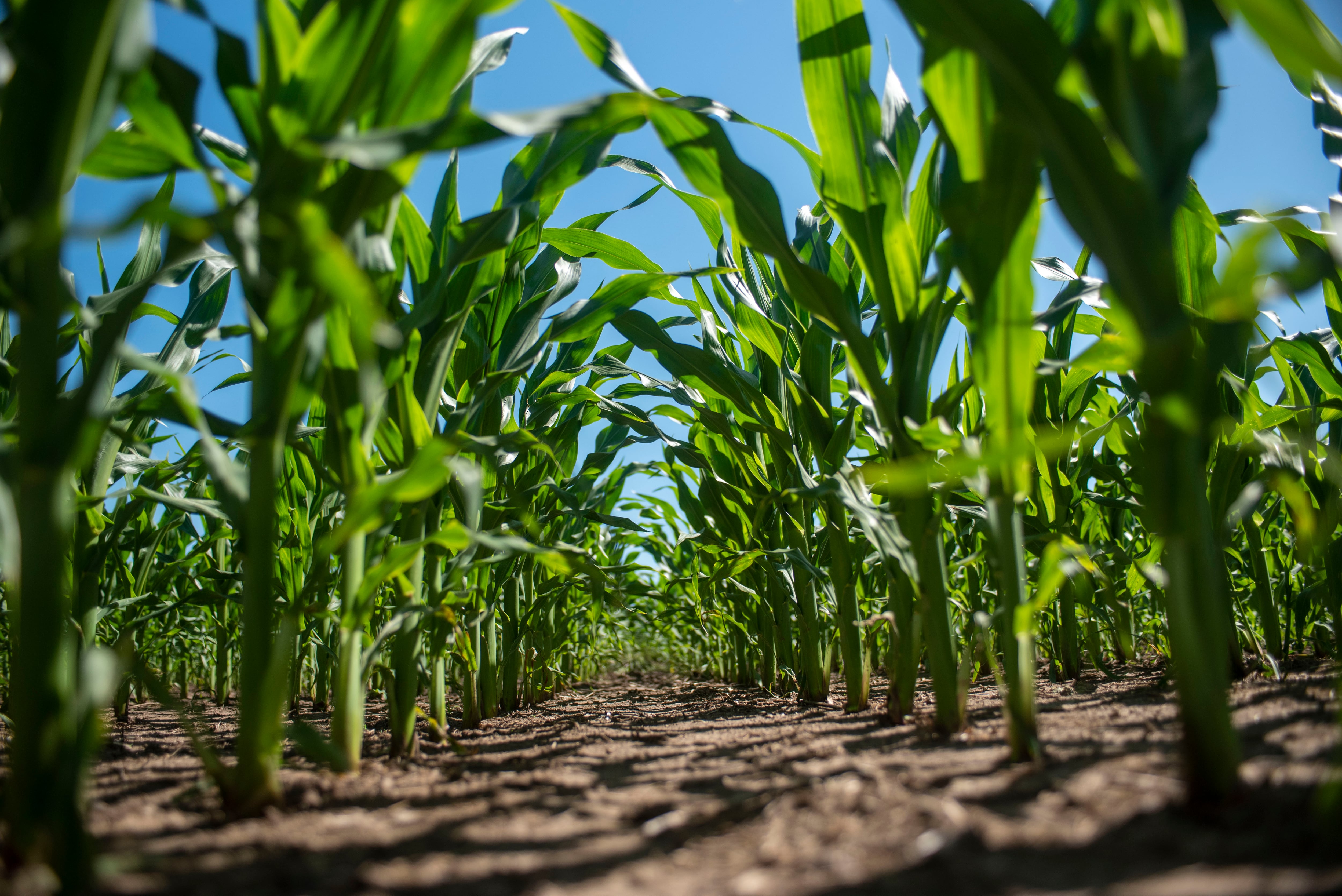
How to Plan Good Corn Cultivation, Minimizing Risks and Maximizing Potential
Translated from Spanish, summarized and contextualized by DistantNews.
At a glance
News
Sources not specified
Context piece
- Farmers must carefully plan corn cultivation by analyzing information, defining scenarios, and evaluating risks.
- Key factors include soil suitability, water availability, and climate predictions like El Niño.
- Strategic decisions on planting dates and location within fields maximize yield potential and manage risk.
Planning is crucial for agricultural success, requiring a deep analysis of information, potential scenarios, and risks to make informed decisions. Strategic data from the field is essential for improving production outcomes.
In a farming season presenting both opportunities and threats, a precise strategy is vital, especially for central crops like corn. This demands a thorough evaluation and characterization of the production environment. Farmers must then adapt available knowledge and technology to maximize productivity while managing associated risks.
Soil suitability, encompassing physical, chemical, and biological conditions, along with expected water availability, are paramount. In many regions, the presence of a water table significantly influences the environment's water condition. Understanding the available water in the soil profile before planting, alongside long-range forecasts, is key to anticipating potential water deficits during critical growth stages.
Years with ample water, whether from initial recharge, favorable forecasts, a high water table, or a combination, offer opportunities for high productivity. Conversely, water restrictions impose lower yield ceilings and increase risks, making a defensive management approach more suitable. Climate prediction models suggest a higher probability of an El Niño year in the coming months. Understanding regional rainfall patterns for El Niño, La Niña, and neutral conditions is also important.
The first strategic decision is the planting date, which affects yield and profit margins. Early planting (early September to mid-October in the core zone) is best suited for high-potential environments with superior soil quality and water availability. Late planting (late November to mid-December in the core zone) is reserved for lower-potential areas or as a risk diversification strategy. Early-harvest corn often commands better prices, potentially leading to higher profits. In recent years, the risk of significant yield losses due to stunting complex transmitted by aphids has become a factor in late planting decisions.
DistantNews Editorial
Originally published by La Nación in Spanish. Translated, summarized, and contextualized by our editorial team with added local perspective. Read our editorial standards.
More Stories



From Our Blog

What Gets Lost (and Found) When News Is Translated

The Critical Role of Diaspora Media in Global News

What Travellers Should Know About Countries with Restricted Press

A Digital Nomad's Guide to Following Local News

How the Same Story Looks Different in Different Countries
