


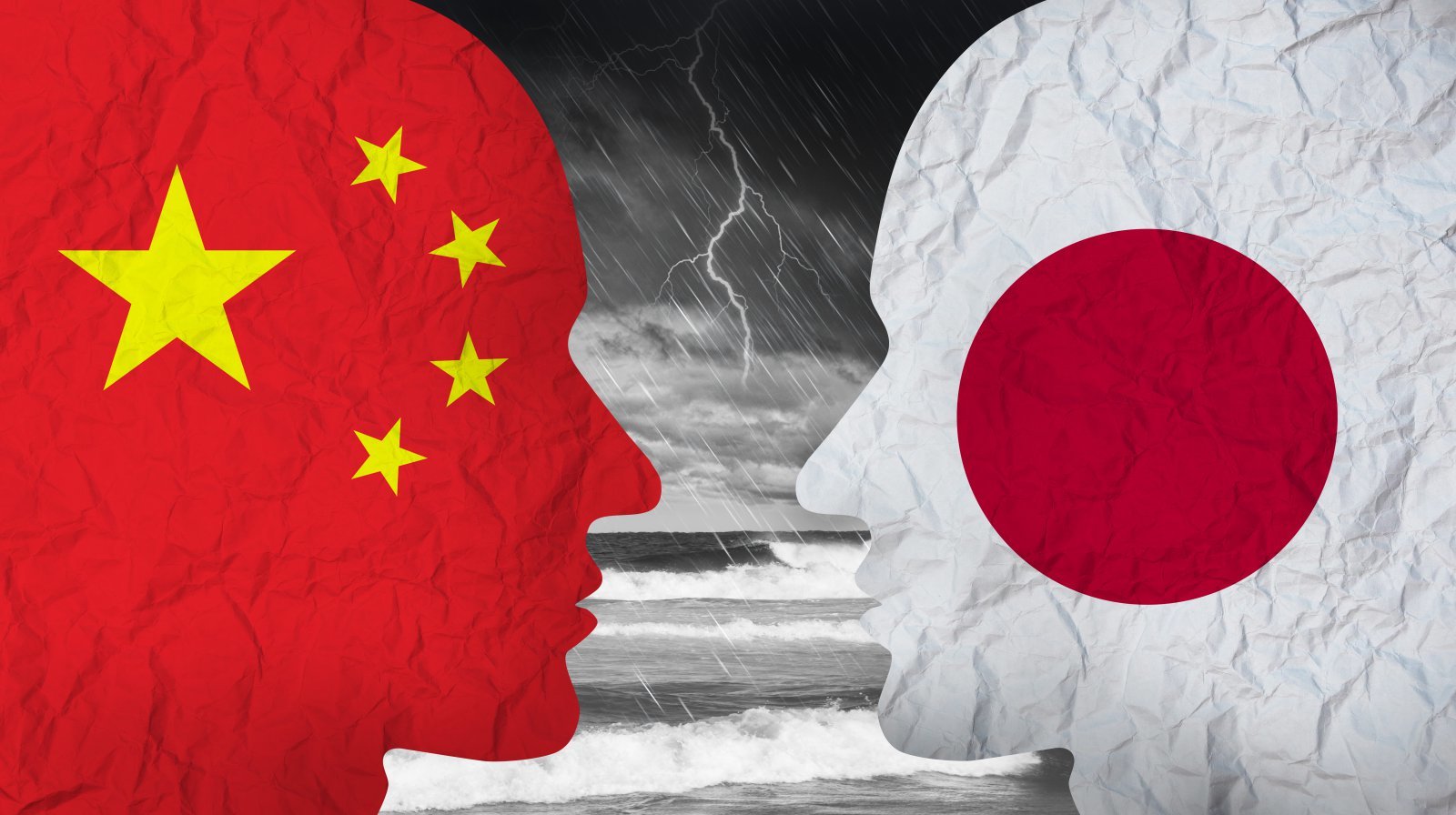
AI Fuels Anti-China Content in Japan, Driven by Profit Motives
Translated from Korean, summarized and contextualized by DistantNews.
TLDR
- A surge in anti-China content generated by AI is spreading online in Japan, fueled by a lucrative monetization structure.
- These videos, often featuring AI-generated images and synthesized voices, praise Japan while criticizing foreign countries, particularly China.
- Creators admit to producing these videos for financial gain, with some earning significant monthly incomes, while acknowledging the potential for distorting public perception and causing social division.
Japan is witnessing a disturbing proliferation of anti-China content online, largely produced using artificial intelligence, as reported by the Asahi Shimbun. This trend is not merely a reflection of existing sentiments but is actively being amplified by a system that financially rewards the creation and dissemination of such material. The videos, characterized by AI-generated visuals and robotic narration, often praise Japan while vilifying foreign nations, with China being a primary target.
I started with a light heart, with no resentment towards foreigners.
Interviews with individuals involved in the production reveal a stark reality: the primary motivation is financial gain. One young professional, who worked on creating AI-generated images for these videos, admitted to starting with a "light heart," earning up to 50,000 yen (approximately $320 USD) per month. While initially believing viewers understood the content was fabricated, he later realized the profound impact these videos could have on shaping public opinion and fostering societal discord. This realization led to feelings of guilt over participating in the spread of potentially harmful narratives.
When I earned a lot of money, I made 50,000 yen (about 460,000 won) a month.
Experts like Professor Shinichi Yamaguchi of International University point to the monetization structure as a key driver, explaining that content provoking negative emotions, particularly anti-foreign sentiment, attracts attention and generates revenue. This creates a perverse incentive to exploit prejudices. The platforms themselves face scrutiny over their role in allowing such content to flourish, often skirting the edges of policy violations. The ease with which AI can now generate convincing, yet fabricated, narratives poses a significant challenge to maintaining an informed public discourse and preventing the erosion of trust between nations. This phenomenon in Japan raises critical questions about the responsibility of both content creators and online platforms in the age of AI-driven disinformation.
I realized that this work could distort someone's ideology and cause social division. I felt like I had done something wrong as a human being.
DistantNews Editorial
Originally published by Dong-A Ilbo in Korean. Translated, summarized, and contextualized by our editorial team with added local perspective. Read our editorial standards.
More Stories


From Our Blog

What Gets Lost (and Found) When News Is Translated

The Critical Role of Diaspora Media in Global News

What Travellers Should Know About Countries with Restricted Press

A Digital Nomad's Guide to Following Local News

How the Same Story Looks Different in Different Countries
