


AI Restores Face of Pompeii Victim, Recreating Escape Amidst Vesuvius Eruption
Translated from Korean, summarized and contextualized by DistantNews.
TLDR
- AI has been used to digitally restore the face of a victim from the ancient Roman city of Pompeii.
- The restoration is based on the remains of an adult male discovered near the city's southern walls, along with artifacts suggesting he was attempting to flee the eruption of Mount Vesuvius.
- The Pompeii Archaeological Park aims to use AI to enhance archaeological research and provide a more immersive experience of the ancient world.
In a remarkable fusion of archaeology and cutting-edge technology, the Pompeii Archaeological Park has unveiled a digital portrait of a victim from the ancient city, brought back to life by artificial intelligence. This innovative project breathes new life into the tragic story of Pompeii, offering a poignant glimpse into the final moments of one of its inhabitants.
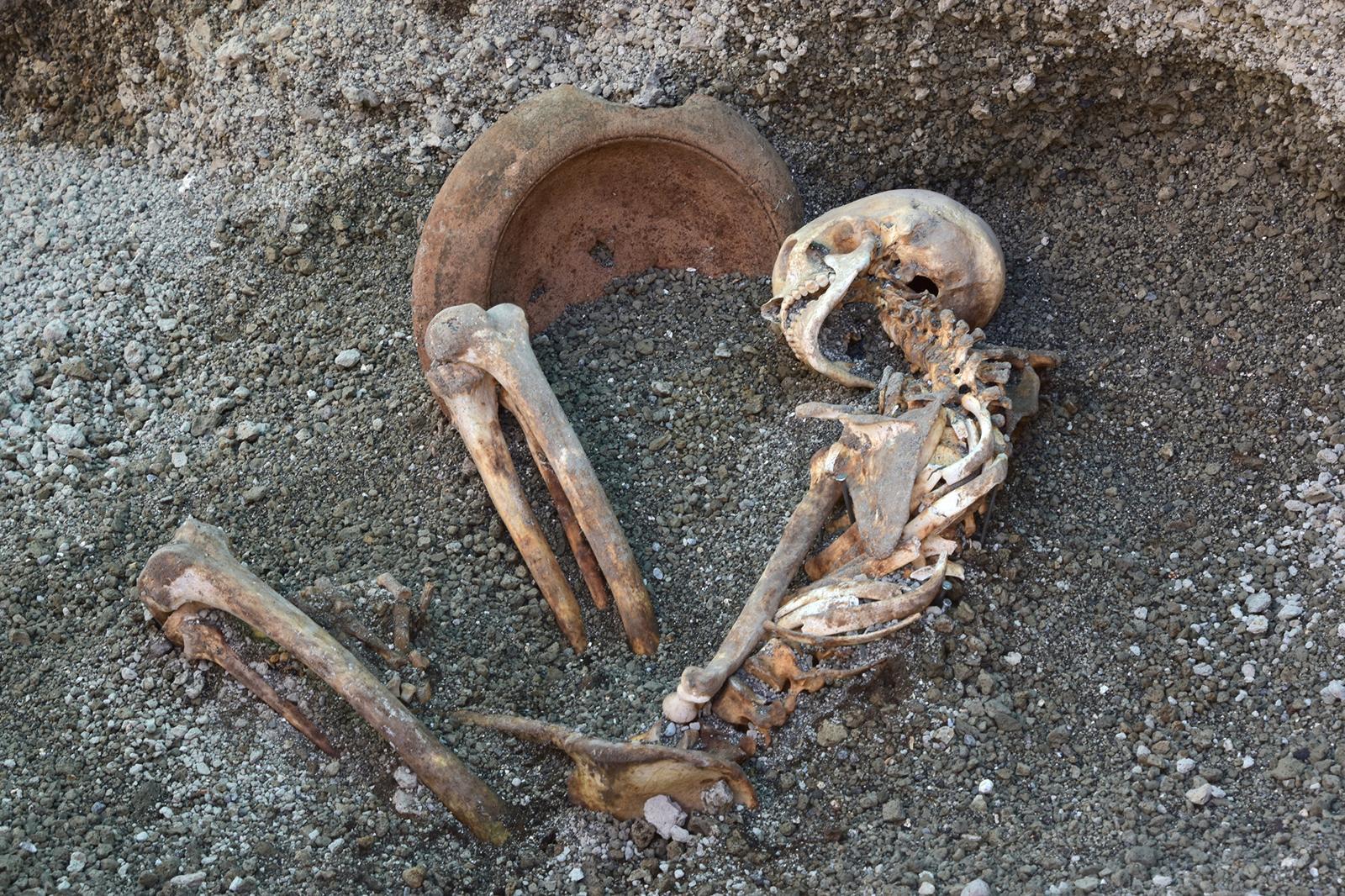
The AI-generated image reconstructs the face of an adult male discovered among the ruins. Found near the southern walls of Pompeii, his remains were accompanied by artifacts including a ceramic bowl, an oil lamp, and ten bronze coins. These findings suggest he was attempting to escape the catastrophic eruption of Mount Vesuvius, which buried the city in 79 AD.
The digital restoration depicts the man against the backdrop of a fiery Vesuvius, carrying a ceramic bowl over his head to shield himself from falling ash and debris. Researchers believe he met his end on the second day of the eruption, struck by volcanic rock as he tried to flee towards the sea. This reconstruction is not just a technical feat; it's a powerful humanizing element in the study of a disaster that has captivated imaginations for centuries.
The Pompeii Archaeological Park, a UNESCO World Heritage site, sees this AI initiative as a vital tool for public engagement. "AI can contribute to the renaissance of ancient research and present the ancient world more immersively," a park official stated. This sentiment underscores a growing trend in heritage sites globally: leveraging new technologies to make history more accessible and relatable. For us in Italy, this is not just about preserving the past; it's about connecting with it on a deeply personal level, ensuring that the stories of those lost are not forgotten but are instead vividly retold for future generations.
DistantNews Editorial
Originally published by Dong-A Ilbo in Korean. Translated, summarized, and contextualized by our editorial team with added local perspective. Read our editorial standards.
More Stories



From Our Blog

What Gets Lost (and Found) When News Is Translated

The Critical Role of Diaspora Media in Global News

What Travellers Should Know About Countries with Restricted Press

A Digital Nomad's Guide to Following Local News

How the Same Story Looks Different in Different Countries
