


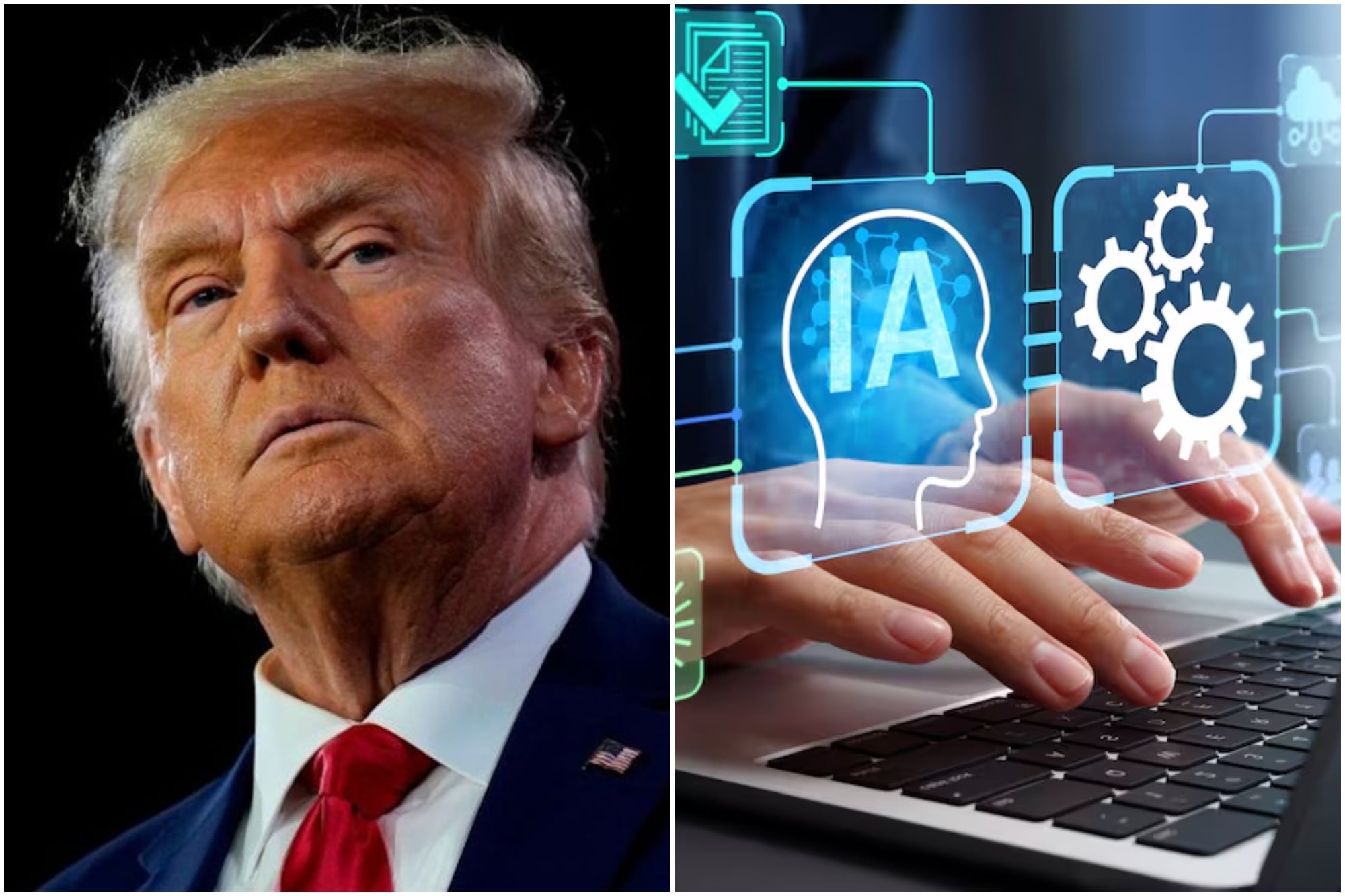
AI's Breakneck Advance Forces Rethink of Its Limits
Translated from Spanish, summarized and contextualized by DistantNews.
TLDR
- Five prominent tech figures, referred to by their first names, wield significant influence over the future of artificial intelligence development.
- The US administration, previously favoring a laissez-faire approach to AI, is shifting towards greater intervention due to national security concerns and growing public skepticism.
- The release of Anthropic's advanced AI model, Claude Mythos, capable of finding software vulnerabilities, has heightened fears of threats to critical infrastructure and national security.
The rapid advancement of artificial intelligence presents a complex challenge, forcing a reevaluation of its limits and potential risks. In the United States, the narrative surrounding AI has been dominated by a belief that unfettered private sector competition, particularly against China, is the optimal path forward. This philosophy, championed by figures like Dario, Demis, Elon, Mark, and Sam, has guided the administration's hands-off approach, allowing these tech leaders to shape the future of AI with remarkable autonomy.
Five geeks so famous they can be identified by their first names — Dario, Demis, Elon, Mark and Sam — wield almost divine control over the AI models that will shape the future.
However, this era of deregulation appears to be drawing to a close. The very capabilities that make AI models so powerful also pose significant threats to national security. The recent unveiling of Anthropic's Claude Mythos model, with its astonishing ability to identify software vulnerabilities, has served as a stark wake-up call. This development has alarmed officials who were previously more concerned with market dynamics than with the potential for AI to destabilize critical infrastructure, from financial systems to healthcare networks.
The Trump administration has stayed on the sidelines even as those models have acquired astonishing capabilities, convinced that unrestricted competition among private companies is the best way to ensure the United States wins the AI race against China.
Beyond national security, AI has become a politically charged issue among the American electorate. Growing public skepticism, with a significant majority concerned about job displacement, is putting pressure on policymakers to act. The laissez-faire approach is no longer politically sustainable nor strategically prudent. The administration is now grappling with how to balance innovation with the imperative to protect citizens and maintain stability, signaling a potential shift towards a more regulated future for AI development in the United States.
Suddenly, the United States’s casual treatment of AI seems to be coming to an end. The reason is that the dizzying progress of the models also represents a threat to the country’s own national security, unsettling members of the Trump administration who were previously more concerned about overregulation.
DistantNews Editorial
Originally published by La Nación in Spanish. Translated, summarized, and contextualized by our editorial team with added local perspective. Read our editorial standards.
More Stories



From Our Blog

What Gets Lost (and Found) When News Is Translated

The Critical Role of Diaspora Media in Global News

What Travellers Should Know About Countries with Restricted Press

A Digital Nomad's Guide to Following Local News

How the Same Story Looks Different in Different Countries
