


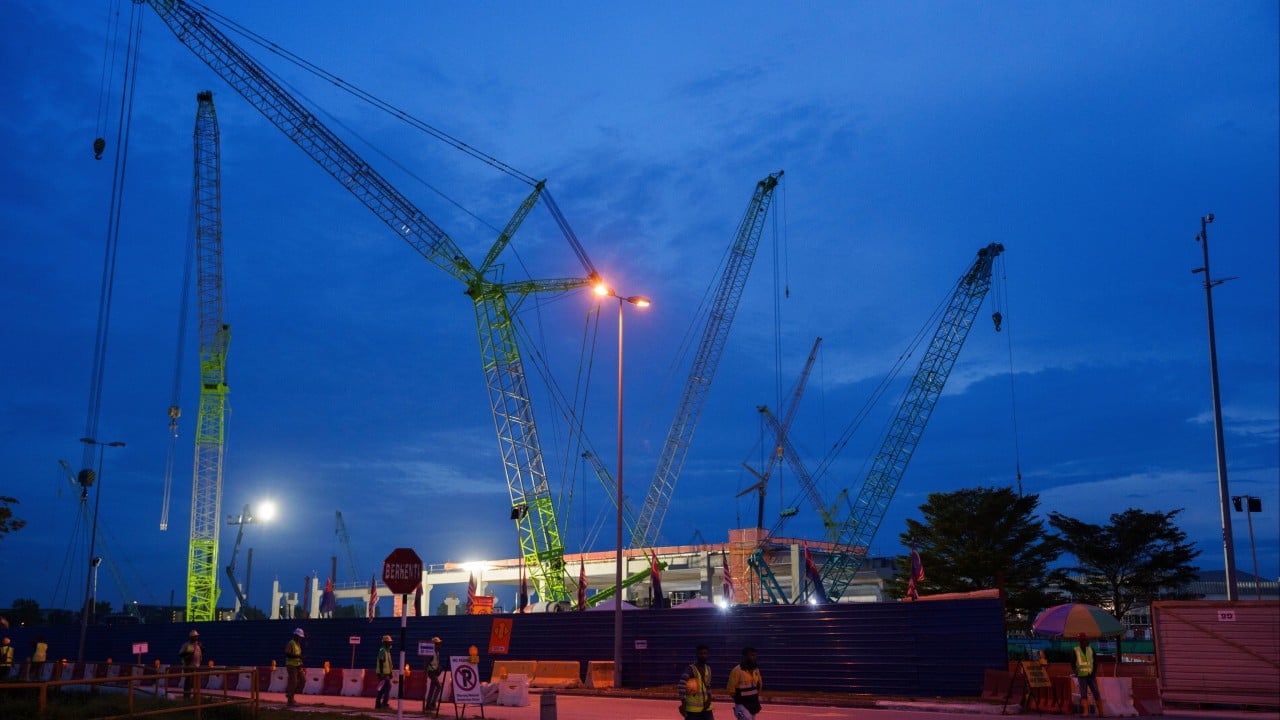
AI's economic impact: A divisive blessing with potential for crises
Translated from English, summarized and contextualized by DistantNews.
At a glance
Analysis
Documents & data
Context piece
- Artificial intelligence is expected to create a divided economic landscape, benefiting tech-linked economies while leaving others behind and potentially signaling financial crises.
- The IMF projects global growth at 3% in 2026 and 3.4% in 2027, with growth rates slightly down from previous forecasts but stable compared to April projections.
- AI-driven investment bubbles in both stock prices and real-world assets are a growing concern, mirroring past economic bubbles.
The rapid advancement of artificial intelligence (AI) is poised to create a complex and potentially divisive economic future, according to a recent analysis. While economies integrated into the AI supply chain may experience significant growth, others risk being left behind. This technological revolution also carries the potential for financial instability, presenting a delicate balancing act for governments and markets worldwide.
A July 8 report from the International Monetary Fund (IMF) highlights this duality. The World Economic Outlook projects global growth to reach 3% in 2026 and 3.4% in 2027. These figures represent a slight decrease from the average of 3.5% observed in 2024-25 but remain broadly consistent with the IMF's April forecasts. While the IMF notes some positive surprises in recent global growth, it also raises alerts regarding emerging risks.
The AI revolution points to higher economic growth for economies linked to the tech supply chain, with others being left behind. It also signals the potential for financial crises. Balancing these risks will be tricky.
The current AI boom is fueling investment bubbles, not only in stock prices but also in tangible, real-world assets. This phenomenon echoes historical patterns where soaring stock valuations have preceded and accompanied significant investment in physical assets, often leading to market corrections. The IMF's report suggests that the current optimism surrounding AI's economic impact might be premature if these bubble risks are not carefully managed.
Certain Asian economies, along with others globally, are currently benefiting from the AI investment surge. This is driving demand for the necessary infrastructure and hardware. However, the long-term implications suggest a widening economic gap between nations that can capitalize on AI advancements and those that cannot, raising concerns about equitable global development.
Global growth, the IMF projects, is likely to be 3 per cent in 2026 and 3.4 per cent in 2027, down from the average of 3.5 per cent observed in 2024-25, and broadly unchanged compared with the fund’s forecasts in April.
DistantNews Editorial
Originally published by South China Morning Post in English. Translated, summarized, and contextualized by our editorial team with added local perspective. Read our editorial standards.
More Stories


From Our Blog

Countries Without a Free Press: What You Need to Know

What Press Freedom Means for the News You Read

What Gets Lost (and Found) When News Is Translated

The Critical Role of Diaspora Media in Global News

What Travellers Should Know About Countries with Restricted Press
