

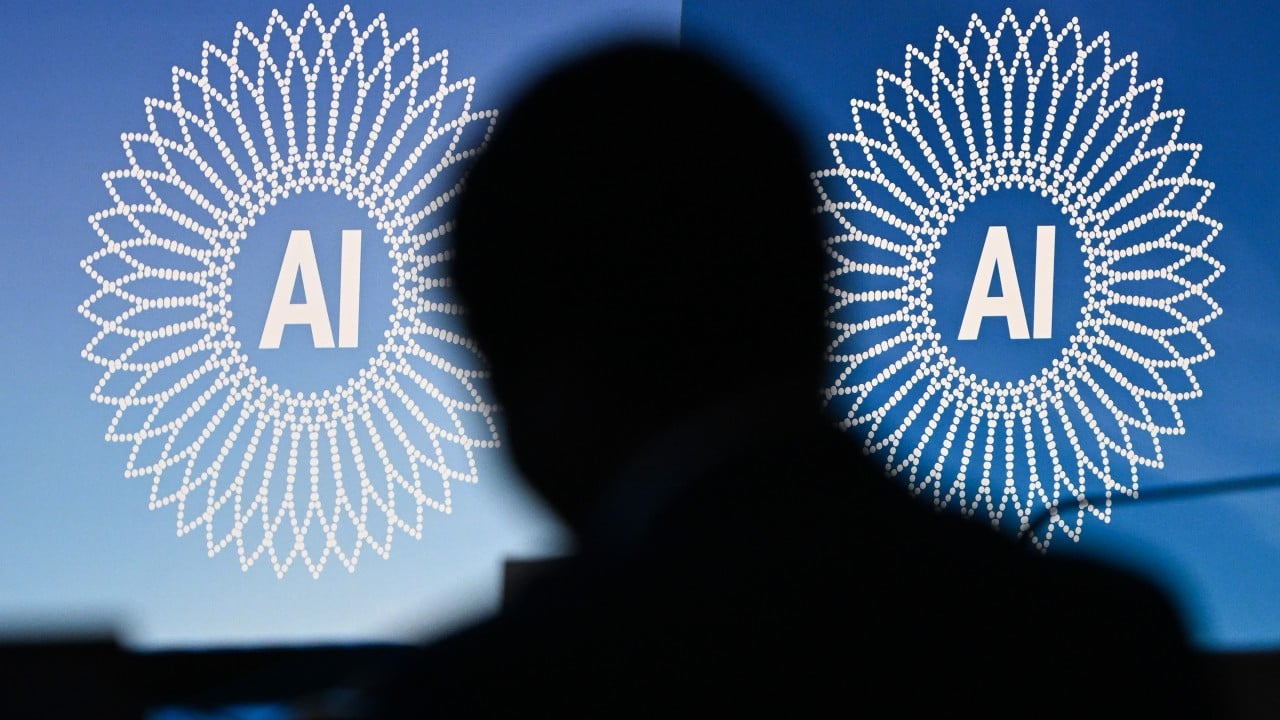
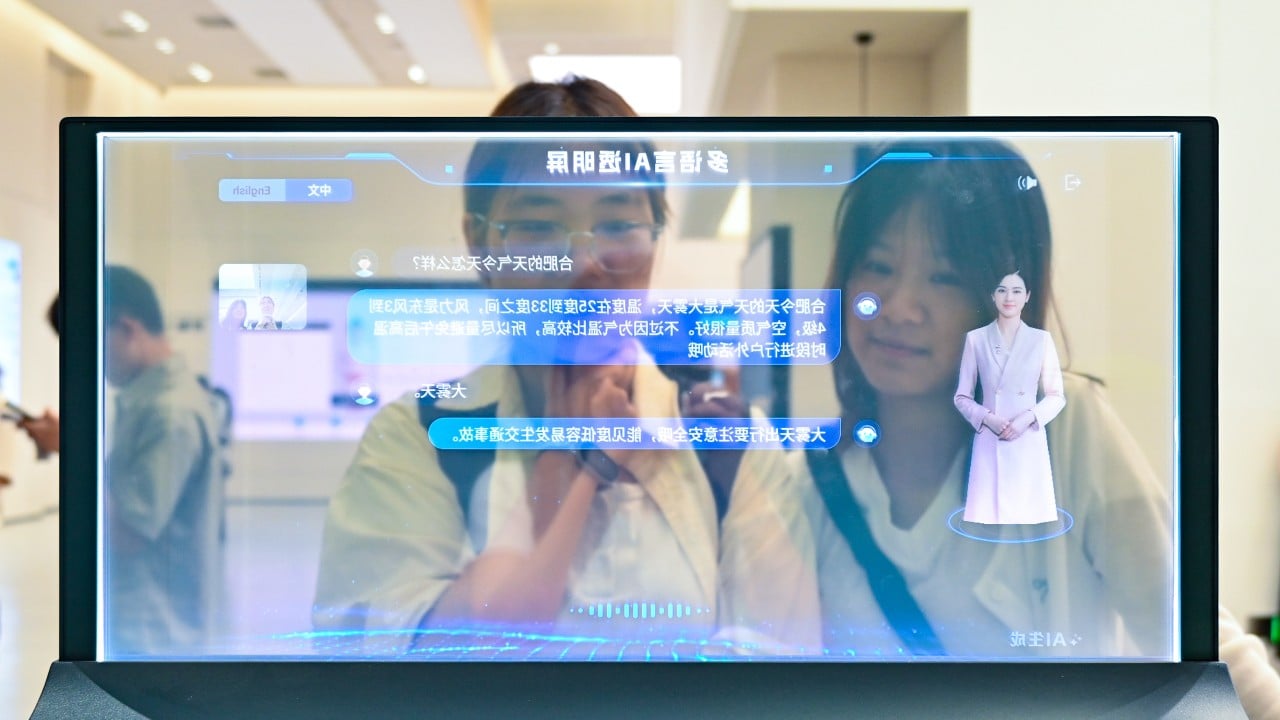
AI translations could make China's political language sound more threatening, scholar warns
Translated from English and summarized by DistantNews. Read the original for the full story.
At a glance
News
Named sources
Outcome reported
- A scholar warns that artificial intelligence translations of China's political language could inadvertently make Beijing's messaging sound more threatening internationally.
- The article suggests China needs to enhance its translation capabilities and implement safeguards against AI-generated distortions to improve global understanding of its policies.
- Human translators should collaborate with AI to refine translations, ensuring context, audience, and purpose are considered, thereby enhancing China's cultural soft power and global governance participation.
An academic warns that the increasing reliance on artificial intelligence for translating China's political messaging could inadvertently make Beijing's language sound more threatening to international audiences. The concern is that literal, AI-generated translations may fail to capture the nuances and intended tone of Chinese political discourse, leading to misunderstandings.
An article published in Chinese Social Sciences Today, a newspaper affiliated with the state-run Chinese Academy of Social Sciences, emphasizes the need for China to bolster its translation capacity. It argues that the country must actively guard against AI-generated distortions. This is crucial for improving how China's policies and intentions are perceived and understood overseas. The piece suggests that as AI takes on a greater volume of translation work, human translators should work in tandem with the technology.
The value of translation goes far beyond language itself. In the AI era, a country’s translation capabilities have become a core measure of its cultural soft power and ability to participate in global governance.
Li Yan, a professor at Xian Fanyi University, highlighted in the article that the value of translation extends beyond mere linguistic conversion. In the current AI era, a nation's translation capabilities are becoming a key indicator of its cultural soft power and its ability to engage effectively in global governance. Professor Li stressed that Chinese translators must develop their skills to refine AI-generated translations, ensuring they are appropriate for the specific context, intended audience, and overall purpose.
According to Li, China must remain vigilant against potential cultural misinterpretations, logical inconsistencies, and value-laden biases that can arise when AI translates its political terminology. The collaboration between human expertise and AI technology is presented as essential for navigating these challenges and ensuring that China's communication on the global stage is both accurate and effectively conveys its intended message.
China must guard against cultural misreadings, lapses in logic and value-laden bias when AI translates its political terminology.
About this summary
Originally published by South China Morning Post in English. Translated, summarized, and contextualized automatically by DistantNews, with a note on how the source frames the story. Not individually reviewed before publishing. How this works.
More Stories

From Our Blog

Countries Without a Free Press: What You Need to Know

What Press Freedom Means for the News You Read

What Gets Lost (and Found) When News Is Translated

The Critical Role of Diaspora Media in Global News

What Travellers Should Know About Countries with Restricted Press
