

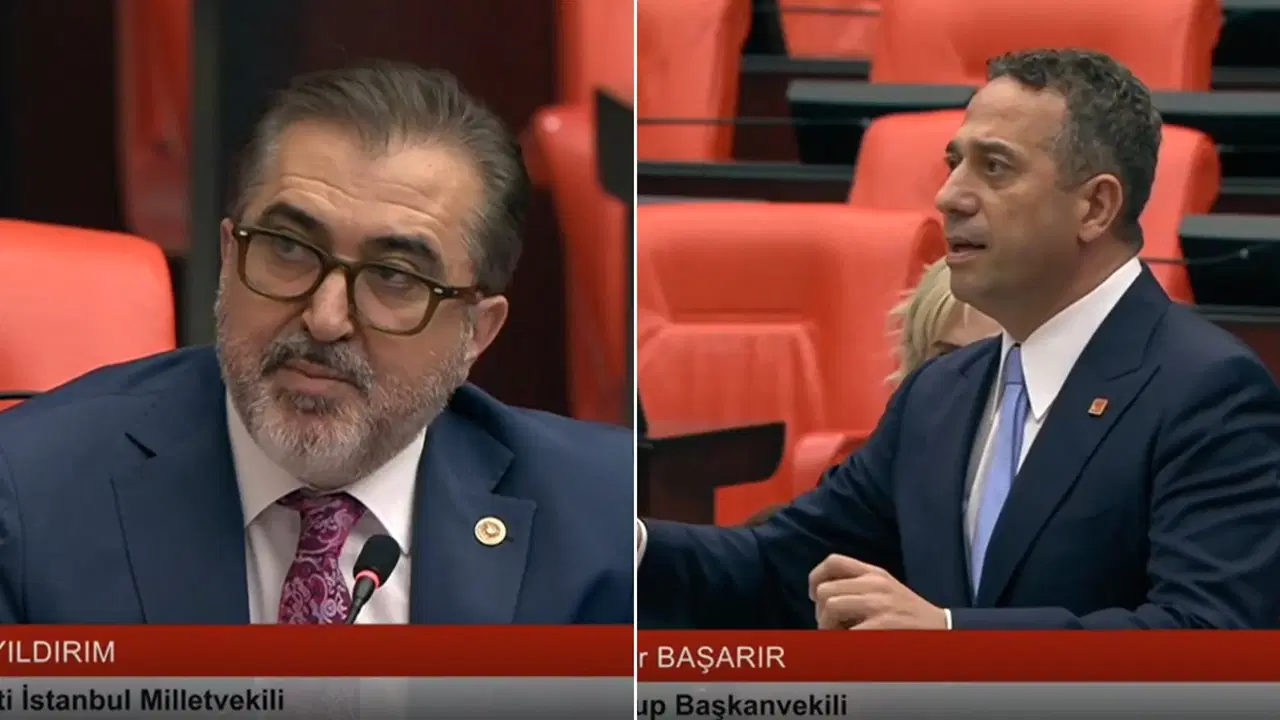
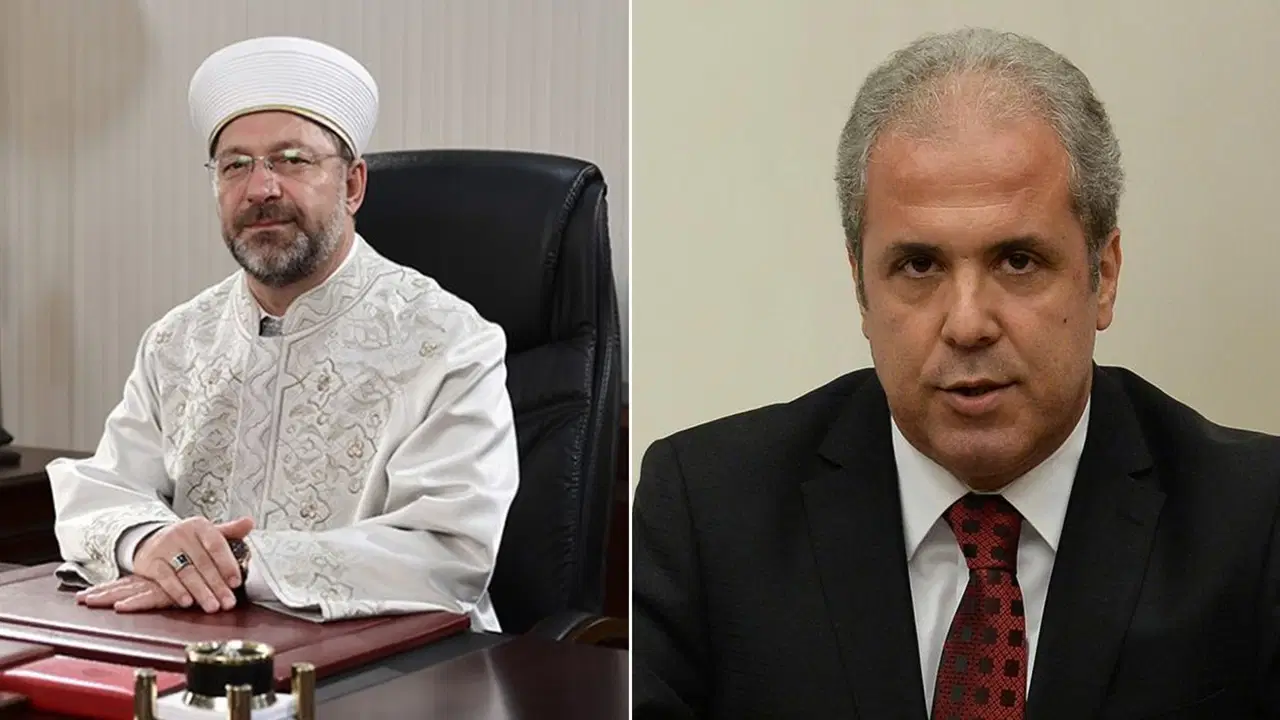
AKP's Tayyar sends a message to Ali Erbaş: 'Referencing Hazrat Ali's knowledge while living like Cin Ali...'
Translated from Turkish, summarized and contextualized by DistantNews.
TLDR
- Former head of the Religious Affairs Directorate, Ali Erbaş, noted a significant drop in the preference rate for Quran and Sira courses in schools, falling to 4% from an initial 30%.
- AKP's Şamil Tayyar criticized Erbaş, questioning the reasons behind students' declining interest in religious education.
- Tayyar suggested that a disconnect between religious teachings and students' lived experiences, referencing historical figures like Ali and Omar, might be contributing to the trend.
The recent remarks by former head of the Religious Affairs Directorate, Ali Erbaş, concerning the sharp decline in student enrollment for Quran and Sira courses have sparked a notable reaction within political circles. Erbaş pointed out that the preference rate for these religious classes has plummeted to a mere 4%, a stark contrast to the 30% recorded when they were first introduced into the curriculum. This observation, made public after his tenure, raises critical questions about the effectiveness and appeal of religious education in Turkey's current educational landscape.
AKP politician Şamil Tayyar seized upon Erbaş's statement to voice his own concerns and criticisms. Tayyar directed a pointed message towards Erbaş, questioning the underlying causes for this disengagement from religious studies. He posed a rhetorical question, drawing parallels between revered historical figures and contemporary lifestyles, suggesting a potential disconnect that might be alienating students. Tayyar's critique implies that a superficial adherence to religious ideals, without genuine depth or relevance to modern life, could be contributing to the observed decline in student interest.
The preference rate for Quran and Sira courses in schools has dropped to 4%. When these courses were first introduced into the curriculum, the preference rate was 30%.
Tayyar's commentary, particularly his reference to "referencing the knowledge of Hazrat Ali but living like Cin Ali" and "speaking of Hazrat Omar's justice but living like Tourist Omar," highlights a perceived hypocrisy or lack of authenticity in how religious teachings are presented or embodied. This perspective, shared by Cumhuriyet, suggests that students may be disengaging because they perceive a gap between the ideals taught and the reality of how these ideals are practiced. The implication is that a more authentic and relatable approach to religious education is needed to resonate with younger generations, moving beyond mere rhetoric to demonstrate practical relevance and lived faith.
Why did students start to move away from religion? Everyone has a word on this, experts will evaluate it from all aspects. My research-based suggestion to those who ponder this issue is this: Could it be that referencing the knowledge of Hazrat Ali but living like Cin Ali, and speaking of Hazrat Omar's justice but living like Tourist Omar, has negatively affected student preferences?
DistantNews Editorial
Originally published by Cumhuriyet in Turkish. Translated, summarized, and contextualized by our editorial team with added local perspective. Read our editorial standards.
More Stories

From Our Blog

What Gets Lost (and Found) When News Is Translated

The Critical Role of Diaspora Media in Global News

What Travellers Should Know About Countries with Restricted Press

A Digital Nomad's Guide to Following Local News

How the Same Story Looks Different in Different Countries
