

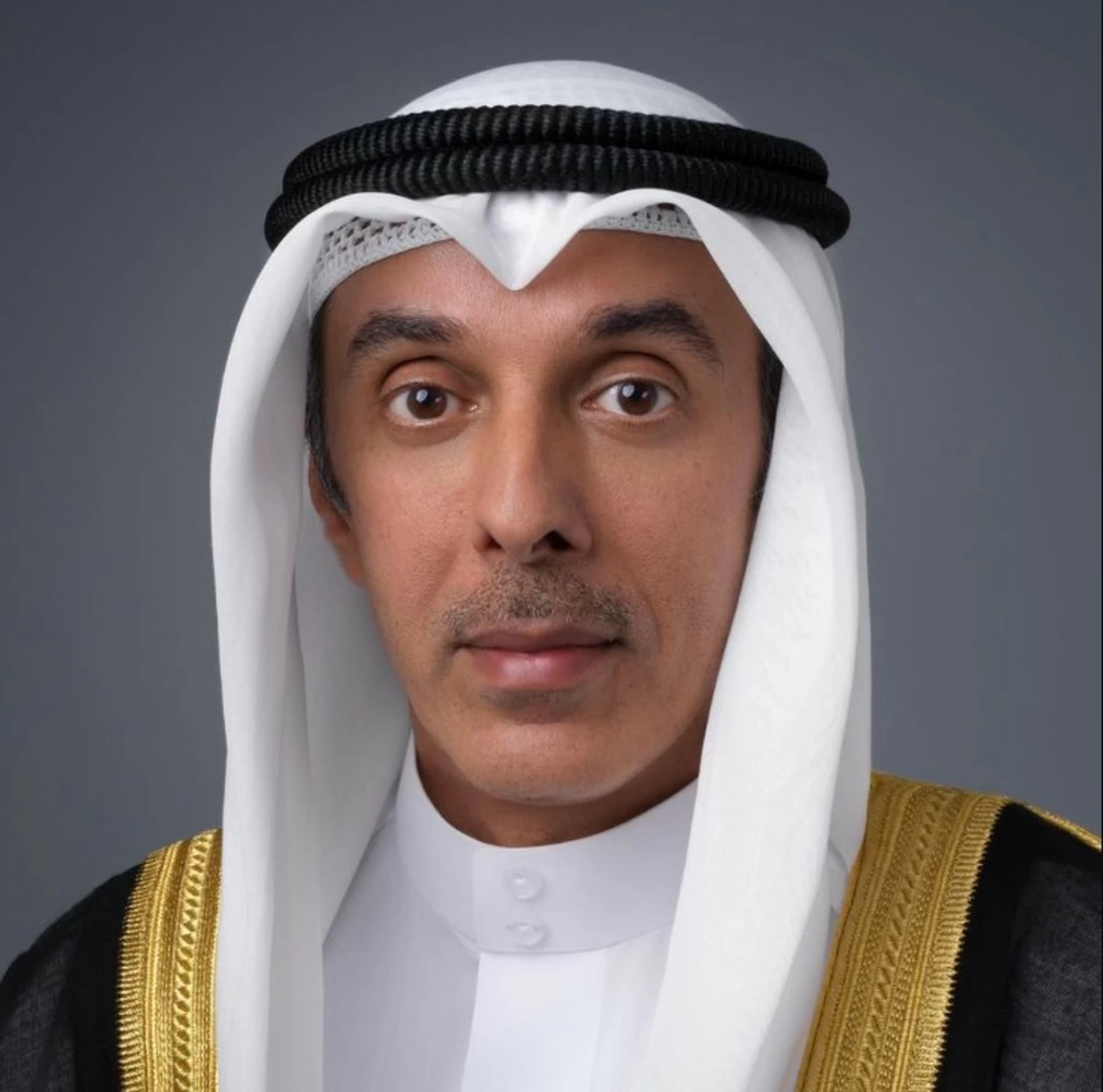

Ali al-Zubaidi, welcome to governing Iraq
Summarized and contextualized by DistantNews.
TLDR
- Iraq has appointed Ali al-Zubaidi as Prime Minister, ending a constitutional vacancy caused by political disputes.
- The delay was fueled by pro-Iranian parties' insistence on Nouri al-Maliki, which faced local and international objections.
- Al-Zubaidi's appointment allows for the formation of a government and the filling of other constitutional positions, signaling a step towards stability.
Baghdad, Iraq – After a prolonged period of political deadlock, Iraq has finally appointed Ali al-Zubaidi as its new Prime Minister, marking a crucial step towards restoring constitutional order and governmental functionality. This development ends a significant vacancy in the executive branch, a delay that stretched beyond the limits set by our constitution and was exacerbated by internal political wrangling.
With the political forces agreeing to appoint Ali al-Zubaidi as Prime Minister, Iraq has ended the period of vacancy in the head of the executive branch, which exceeded the deadline permitted by the Iraqi constitution for appointing a figure to form a government.
The path to this appointment was fraught with challenges, primarily stemming from the insistence of certain pro-Iranian parties on backing Nouri al-Maliki. This stance was met with firm rejection from a broad spectrum of Iraqi political forces, as well as significant international objections, notably from the United States. The resulting delay not only postponed the formation of a government but also held up the filling of other vital constitutional positions, leaving key institutions in limbo.
This delay was caused by the insistence of pro-Iranian parties on clinging to Nouri al-Maliki as their sole candidate, a position rejected by local political forces as well as international objections, particularly from the United States.
With an official now tasked with forming the government, there is a palpable sense of relief that Iraq's institutions are beginning to function as they should. This signifies a move towards reconciliation for the Iraqi people, who have endured decades of political, economic, and social instability since 1958. Despite possessing immense natural wealth that could position Iraq as a leading nation, decades of tyranny and conflict have impoverished our citizens and led to the emigration of millions, particularly our educated and skilled populace.
Finally, there is an official tasked with forming the government, which means that the institutions of this large country are functioning properly.
Iraq's strategic geography positions it as a pivotal player in the Arab region and a critical international logistics hub, connecting the Arabian Gulf to Europe and Asia. However, successive regimes have historically neglected these advantages, often engaging in destabilizing regional ventures. The appointment of Prime Minister al-Zubaidi offers a glimmer of hope that a new chapter may be opening, one focused on rebuilding our nation and leveraging our resources for the benefit of all Iraqis, rather than pursuing destructive political agendas.
This indicates that matters are beginning to be resolved for the sake of reconciliation among the Iraqi people, who have suffered from political, economic, and social instability since 1958.
DistantNews Editorial
Originally published by Arab Times. Summarized and contextualized by our editorial team with added local perspective. Read our editorial standards.
More Stories


From Our Blog

What Gets Lost (and Found) When News Is Translated

The Critical Role of Diaspora Media in Global News

What Travellers Should Know About Countries with Restricted Press

A Digital Nomad's Guide to Following Local News

How the Same Story Looks Different in Different Countries
