


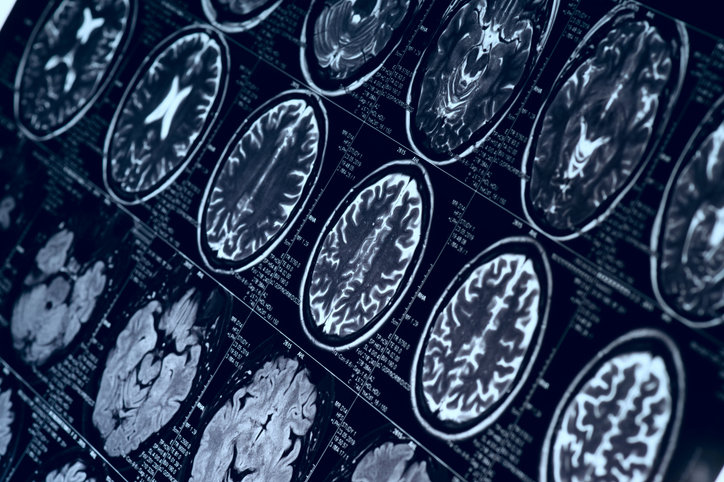
Alzheimer's Changes Begin in Late 50s, Peak Transition Ages 68-72: Study
Translated from Korean, summarized and contextualized by DistantNews.
TLDR
- Biological changes associated with Alzheimer's disease can begin as early as the late 50s, decades before symptoms appear.
- A study identified key transition periods between the late 50s and early 70s where these changes accelerate.
- Researchers suggest that understanding these progression timelines is crucial for shifting from reactive treatment to proactive diagnosis and prevention, with blood tests showing promise for early detection.
A groundbreaking study is reshaping our understanding of Alzheimer's disease, revealing that the insidious biological processes underlying this debilitating condition can commence much earlier than previously thought. For decades, the focus has been on managing symptoms after they manifest. However, new research indicates that the brain and blood show significant changes as early as the late 50s, offering a critical window for early intervention.
The study, published in 'Alzheimer's & Dementia,' meticulously analyzed data from over 2,000 participants, tracking changes in cognitive function, brain imaging, and blood biomarkers. The findings pinpoint distinct transition periods: cognitive decline accelerates in the early 60s, while amyloid protein accumulation speeds up around the same time. Later, between the late 60s and early 70s, changes in tau protein and other neurodegenerative markers become more pronounced, particularly evident in blood-based biomarkers like GFAP and NfL.
This research, originating from the Mayo Clinic, emphasizes a paradigm shift. Instead of waiting for memory loss or language difficulties to signal Alzheimer's, the focus must move towards identifying individuals at risk much earlier. The study highlights two key transition periods – the early 60s for cognitive and amyloid changes, and the late 60s to early 70s for blood markers and neurodegeneration. This detailed timeline is invaluable for developing targeted prevention strategies and optimizing screening protocols. The increasing accuracy of blood tests, as demonstrated in previous research, suggests they will play a pivotal role in future Alzheimer's diagnosis and management, allowing for timely interventions long before the disease takes a devastating hold.
DistantNews Editorial
Originally published by Dong-A Ilbo in Korean. Translated, summarized, and contextualized by our editorial team with added local perspective. Read our editorial standards.
More Stories



From Our Blog

What Gets Lost (and Found) When News Is Translated

The Critical Role of Diaspora Media in Global News

What Travellers Should Know About Countries with Restricted Press

A Digital Nomad's Guide to Following Local News

How the Same Story Looks Different in Different Countries
