

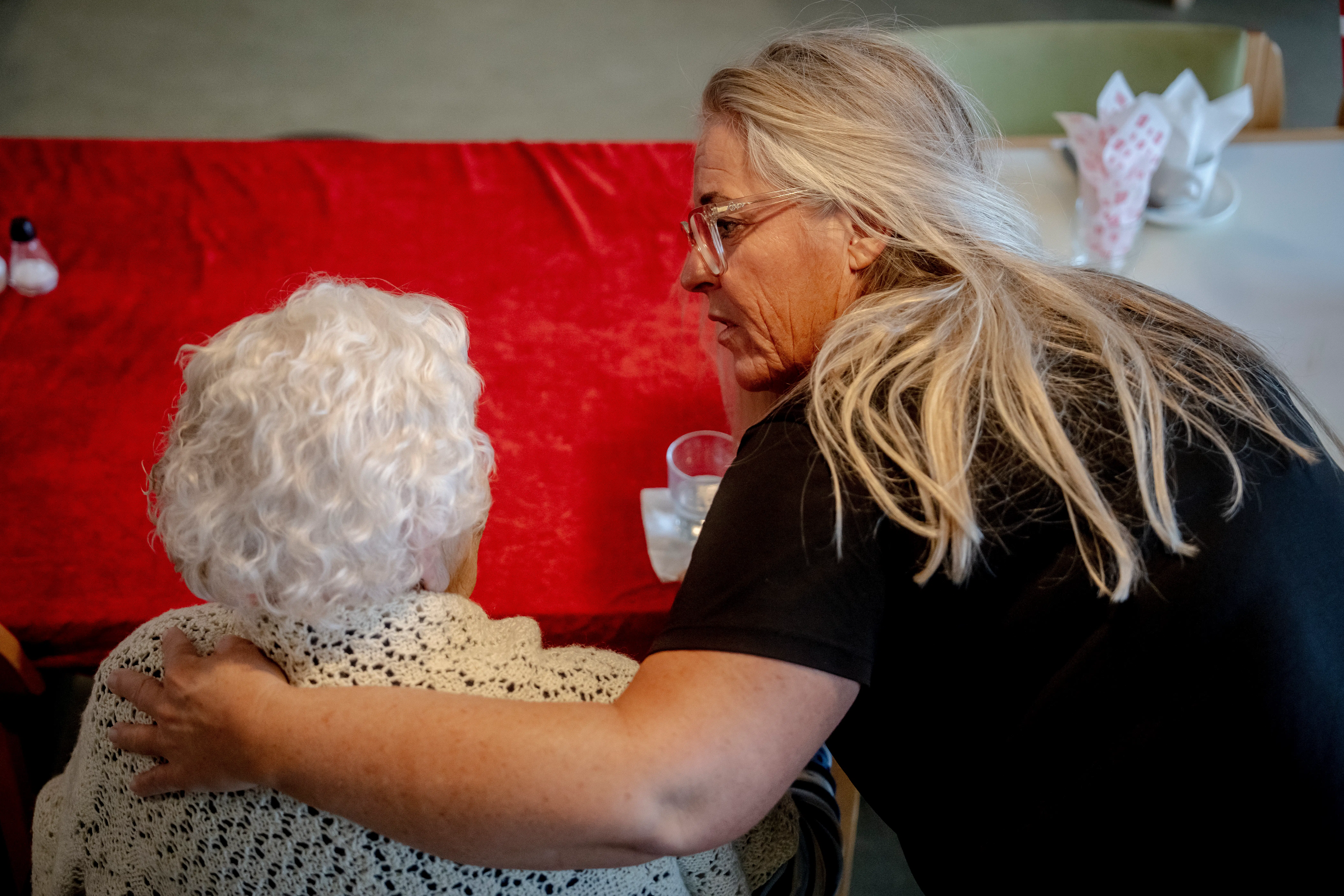

Analysis: Fewer Sick Days in Public Sector Could Free Up Thousands of Employees
Translated from Danish, summarized and contextualized by DistantNews.
TLDR
- Public sector employees in Denmark have significantly more sick days annually compared to their private sector counterparts.
- A new analysis suggests reducing public sector absenteeism could free up thousands of full-time employees, particularly in care sectors.
- High absenteeism is a known issue, especially among social and healthcare assistants, exacerbating future staffing shortages.
A recent analysis by the Confederation of Danish Industry (DA) has brought attention to a stark difference in sick leave between the public and private sectors in Denmark. The findings reveal that public employees average 13.3 sick days per year, considerably higher than the 7.9 days seen in the private sector. This disparity, if addressed, could potentially free up an estimated 11,700 full-time positions within the public workforce.
DA's political chief for work environment and health, Beate Fabricius Ingerslev, highlights the particular impact this could have on the crucial care sector. Reducing sick leave could mean more staff available for essential care and welfare services without the need for additional hiring. This is a critical point, especially considering projections indicating a significant shortage of elder care and healthcare assistants in Denmark within the next decade.
Hvis man kunne få reduceret sygefraværet i den offentlige sektor, kunne der være flere medarbejdere til omsorg og kernevelfærd uden at ansætte ekstra medarbejdere
While acknowledging the problem, the Mayor of Høje-Taastrup Municipality and chair of the Municipalities' National Association's salary and personnel committee, Michael Ziegler (K), describes the issue of high absenteeism as 'complex.' This complexity is underscored by the fact that social and healthcare assistants, who are vital to the system, are reportedly the most frequent absentees. This situation is particularly concerning given the government's previous considerations of recruiting healthcare workers from countries like the Philippines and India to fill anticipated gaps.
From a Danish perspective, this analysis raises important questions about work environment, management practices, and the overall sustainability of our public welfare system. While international coverage might focus on the economic implications of lost workdays, for us in Denmark, it's about ensuring the quality and availability of essential services like elder care and healthcare for our aging population. The challenge lies in finding solutions that improve employee well-being and reduce absenteeism without compromising the core values of our welfare state.
kompleks størrelse
DistantNews Editorial
Originally published by Berlingske in Danish. Translated, summarized, and contextualized by our editorial team with added local perspective. Read our editorial standards.
More Stories

,xPosition=.5,yPosition=.5;Resize=(1200,675)&impolicy=medium)
From Our Blog

What Gets Lost (and Found) When News Is Translated

The Critical Role of Diaspora Media in Global News

What Travellers Should Know About Countries with Restricted Press

A Digital Nomad's Guide to Following Local News

How the Same Story Looks Different in Different Countries
