

Analysis: Why Ships Still Transit Hormuz Despite Iran Blockade
Translated from Greek, summarized and contextualized by DistantNews.
TLDR
- Despite US sanctions on Iranian ports, ships continue to transit the Strait of Hormuz, a critical global energy route.
- The US clarifies that sanctions target Iranian ports and related maritime trade, not the international waterway itself.
- Vessels not connected to Iran can pass, while those with Iranian links face potential interdiction, demonstrating a targeted, flexible blockade strategy.
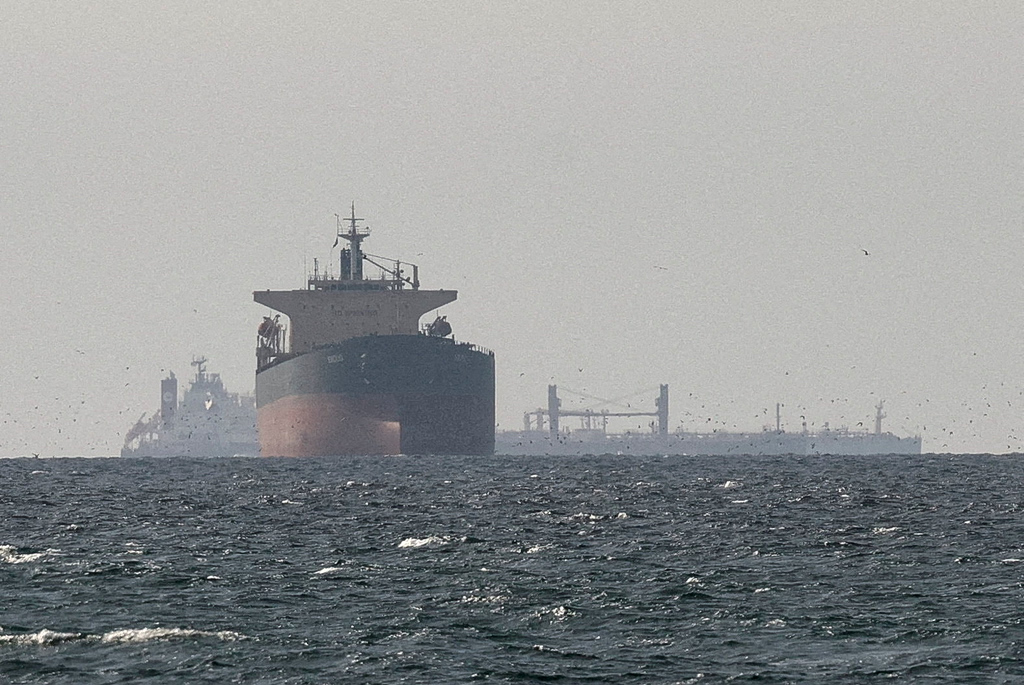
The ongoing situation in the Strait of Hormuz presents a complex picture, one that might appear contradictory to the casual observer. While the United States proclaims a 'complete blockade' of Iranian ports, the reality on the ground, as analyzed by CNN and reported by Ta Nea, is far more nuanced. This is not a blanket closure of a vital global chokepoint, but rather a precisely calibrated pressure campaign.
From our perspective here in Greece, understanding the strategic implications is paramount. The Strait of Hormuz is not merely a passage for oil; it is a linchpin of global energy security. The US strategy, as clarified by CENTCOM, focuses on Iranian ports and associated maritime activities. This distinction is crucial: the Strait itself remains an international waterway, and its complete closure would violate international maritime law, a principle we in Greece, with our long maritime tradition, deeply understand and respect.
Therefore, the continued transit of vessels not linked to Iran highlights the targeted nature of the sanctions. This isn't about shutting down global trade but about isolating Iran's illicit activities. The presence of US naval assets, including aircraft carriers and destroyers, allows for extensive surveillance and interdiction capabilities far beyond the Strait itself. This 'smart' blockade, as it can be described, aims to exert maximum pressure on Iran while minimizing disruption to the global economy. Ta Nea will continue to monitor these developments closely, providing analysis that reflects the intricate geopolitical and economic realities at play.
DistantNews Editorial
Originally published by Ta Nea in Greek. Translated, summarized, and contextualized by our editorial team with added local perspective. Read our editorial standards.
More Stories


From Our Blog

What Gets Lost (and Found) When News Is Translated

The Critical Role of Diaspora Media in Global News

What Travellers Should Know About Countries with Restricted Press

A Digital Nomad's Guide to Following Local News

How the Same Story Looks Different in Different Countries
