


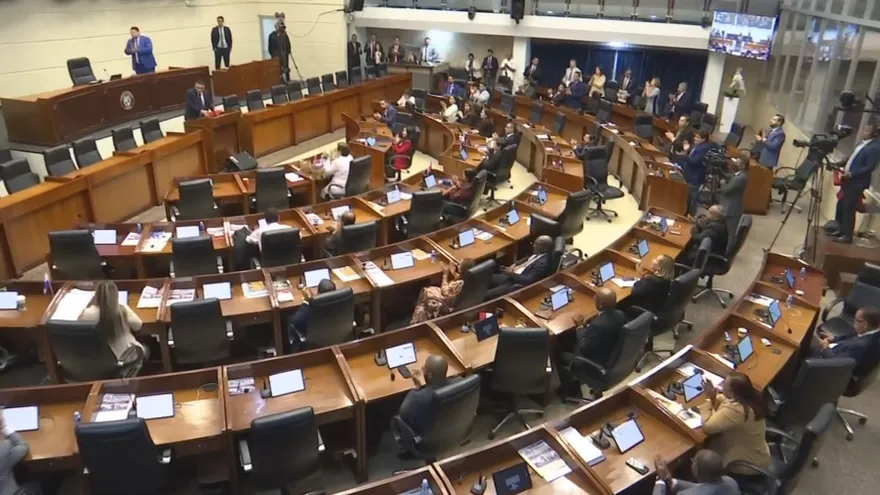
Analysts deem reforms to Assembly's internal regulations insufficient
Translated from Spanish, summarized and contextualized by DistantNews.
At a glance
News
Named sources
Context piece
- Analysts in Panama have criticized the recent reforms to the National Assembly's internal regulations as superficial and insufficient.
- Critics argue the changes fail to address core issues of transparency, accountability, and institutional modernization.
- Concerns exist that a specific amendment could reintroduce controversial "circuit allocations" for deputies.
Panamanian analysts have largely dismissed the recently approved reforms to the National Assembly's internal regulations, labeling them as superficial modifications that fall short of expectations for institutional modernization and strengthening. The approved changes, stemming from Bill No. 594, include 30 amendments but rejected 74 proposals within its 39 articles.
Political analyst José Stoute described the reforms as "a mockery of the citizenry," expressing disbelief that such a crucial state institution, with low public approval, continues to resist fundamental changes. He believes that failing to enact meaningful reforms undermines the Assembly's credibility. Specialists from various sectors concur, viewing the reform process as a missed opportunity to introduce substantive changes that would enhance transparency and improve the legislative body's image.
Sociologist and political analyst José Lasso stated that without directly addressing specific problems, the reforms amount to "constant cosmetic changes" that perpetuate the same "vicious privileges and dynamics" within politics. Many proposals aimed at transforming the Assembly's operations, including measures for transparency, prohibiting nepotism, controlling deputy attendance, regulating salaries, improving commission functions, enabling substitute participation, and enhancing accountability, were ultimately discarded.
One particularly contentious amendment, proposed by Deputy Luis Eduardo Camacho, integrates the management, promotion, and oversight of projects within deputies' respective circuits into their functions. Analysts worry this provision could signal a return of the "circuit allocations" (partidas circuitales), a funding mechanism heavily criticized in past administrations for potential misuse. The bill now awaits a third debate before potentially being sent to President José Raúl Mulino, who has previously expressed strong opposition to privileges and questionable practices within the National Assembly.
DistantNews Editorial
Originally published by TVN Panamá in Spanish. Translated, summarized, and contextualized by our editorial team with added local perspective. Read our editorial standards.
More Stories


From Our Blog

What Gets Lost (and Found) When News Is Translated

The Critical Role of Diaspora Media in Global News

What Travellers Should Know About Countries with Restricted Press

A Digital Nomad's Guide to Following Local News

How the Same Story Looks Different in Different Countries
