

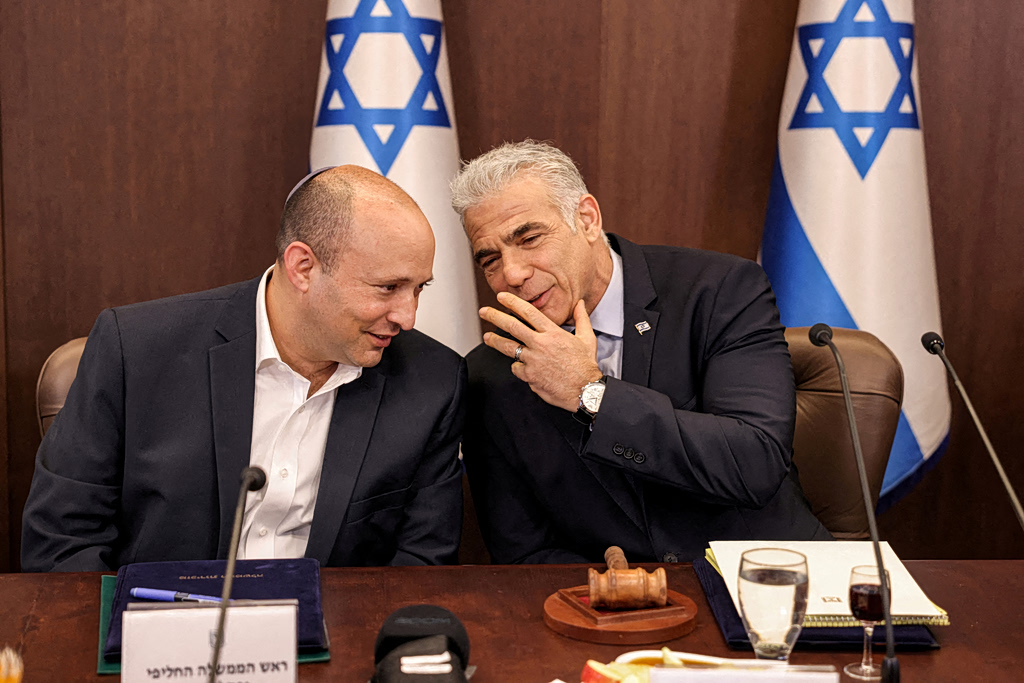

Androulakis vs. Tsipras: The Battle for Second Place Has Just Begun
Translated from Greek, summarized and contextualized by DistantNews.
TLDR
- PASOK leader Nikos Androulakis has initiated a strong offensive against SYRIZA's Alexis Tsipras, signaling a battle for second place in the political landscape.
- Androulakis aims to prevent Tsipras from attracting key figures from PASOK and is strategically positioning his party to counter SYRIZA's moves.
- The article discusses PASOK's internal dynamics, including leadership choices and the challenges of party renewal, as it navigates this political rivalry.
Kathimerini observes a significant shift in the Greek political arena as PASOK leader Nikos Androulakis launches a robust challenge against Alexis Tsipras, setting the stage for a fierce contest for the crucial second position in national politics. Androulakis's recent address to PASOK's Central Committee was not merely a party gathering but a clear declaration of intent, a signal to confront Tsipras's ambitions head-on.
The core of this political maneuvering lies in the competition for talent and influence. Androulakis is acutely aware of Tsipras's efforts to recruit figures from PASOK, a strategy he intends to counter. This battle for personnel is emblematic of a broader struggle for political dominance, where party strength is measured not just by votes but by the caliber and loyalty of its members.
Internally, PASOK faces its own set of challenges. The appointment of Georgios Vardakastanis, president of the European Forum of Persons with Disabilities, as the new general secretary is presented as an outreach to civil society. However, Kathimerini notes that this move might also be a pragmatic response to a lack of readily available candidates willing to undertake the demanding task of party revitalization. The leadership's focus appears to be on control rather than on generating a fresh political narrative or a surprising communication strategy.
From our vantage point at Kathimerini, this rivalry is more than just a personal contest between Androulakis and Tsipras. It reflects a deeper struggle for the center-left's identity and future in Greece. While Western media might focus on the broader electoral implications, we see the intricate dance of party strategy, internal consensus-building, and the perennial Greek political game of musical chairs. The choices made now by PASOK's leadership, particularly regarding the composition and function of its Political Council, will be critical in determining its ability to emerge as a viable alternative.
Ask yourselves: Who can defeat New Democracy? Someone who suffered the greatest defeat in half a century of Metapolitefsi as the opposition?
DistantNews Editorial
Originally published by Kathimerini in Greek. Translated, summarized, and contextualized by our editorial team with added local perspective. Read our editorial standards.
More Stories


From Our Blog

What Gets Lost (and Found) When News Is Translated

The Critical Role of Diaspora Media in Global News

What Travellers Should Know About Countries with Restricted Press

A Digital Nomad's Guide to Following Local News

How the Same Story Looks Different in Different Countries
