

Anmyeondo's famous pines endangered as pine wilt disease spreads to West Coast
Translated from Korean, summarized and contextualized by DistantNews.
At a glance
News
Official statement
Context piece
- Pine wilt disease is rapidly spreading along the west coast of South Korea, threatening the iconic Anmyeondo pine forests and coastal windbreaks.
- The number of infected pine trees in South Chungcheong Province has surged 26-fold this year, prompting requests for emergency national funding and expanded special control zones.
- Nationwide, over 1.77 million pine trees have died from the disease in the past year, with the affected areas expanding significantly.
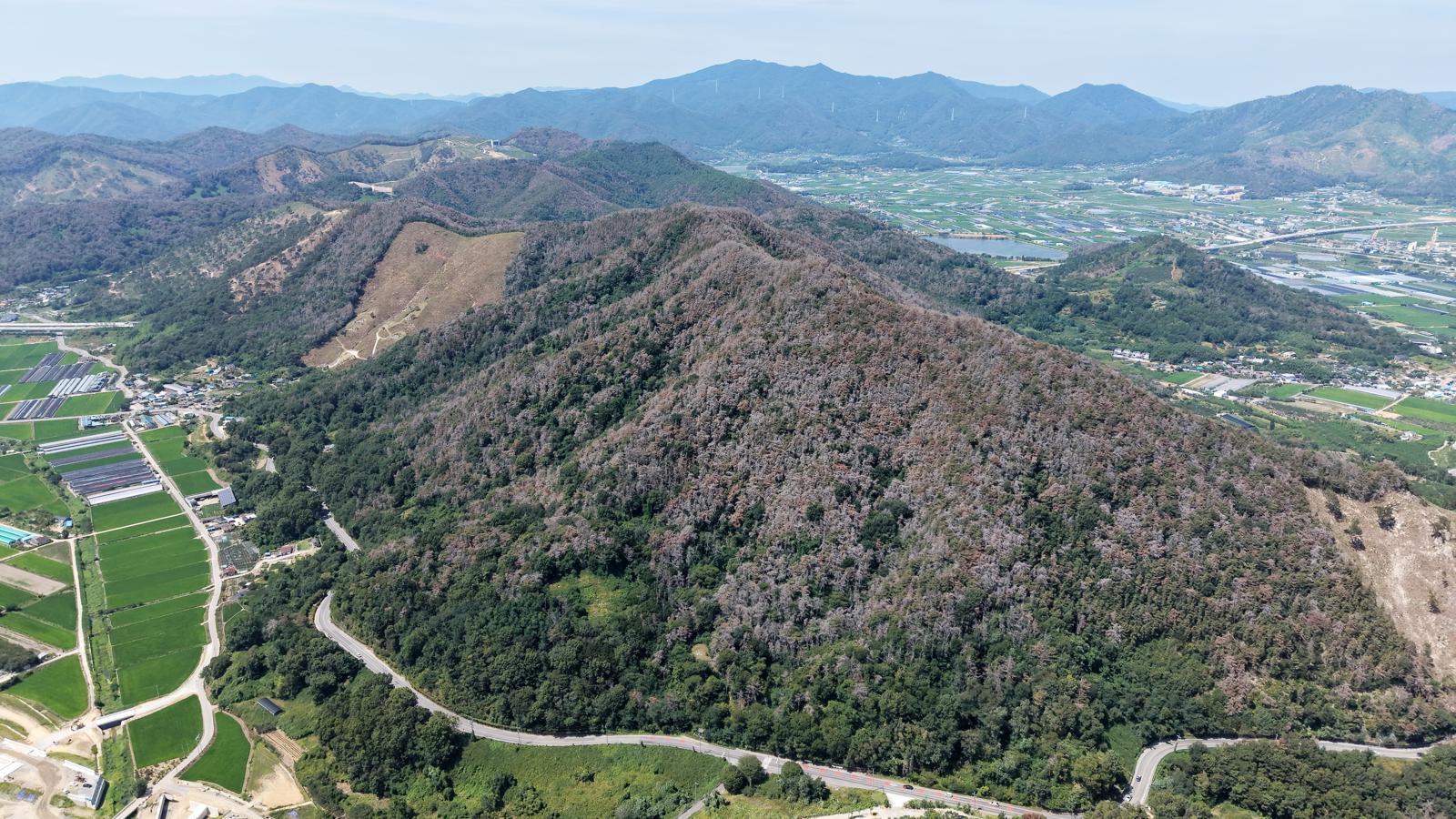
The beloved Anmyeondo pine forests in Taean, along with vital windbreaks on the coasts of Boryeong and Seocheon, are facing a grave threat as pine wilt disease spreads rapidly. The disease, which kills pine trees within a year of infection, is advancing along the West Sea coast, causing widespread die-offs.
South Chungcheong Province has seen a dramatic increase in infected pine trees, with the number soaring to 139,922 this year, a staggering 26-fold rise from the 5,331 recorded last year. In response, the provincial government has formally requested 20 billion won in national funding from the Forest Service. They also seek to designate Taean, Boryeong, Seocheon, and Cheongyang as special control zones for the disease.
Nationwide, the situation is equally alarming. Between June of last year and May of this year, 1.77 million pine trees succumbed to the disease, an increase of 280,000 compared to the previous year. The disease has newly appeared in 12 cities and counties, expanding the total affected area to 116 locations across the country.
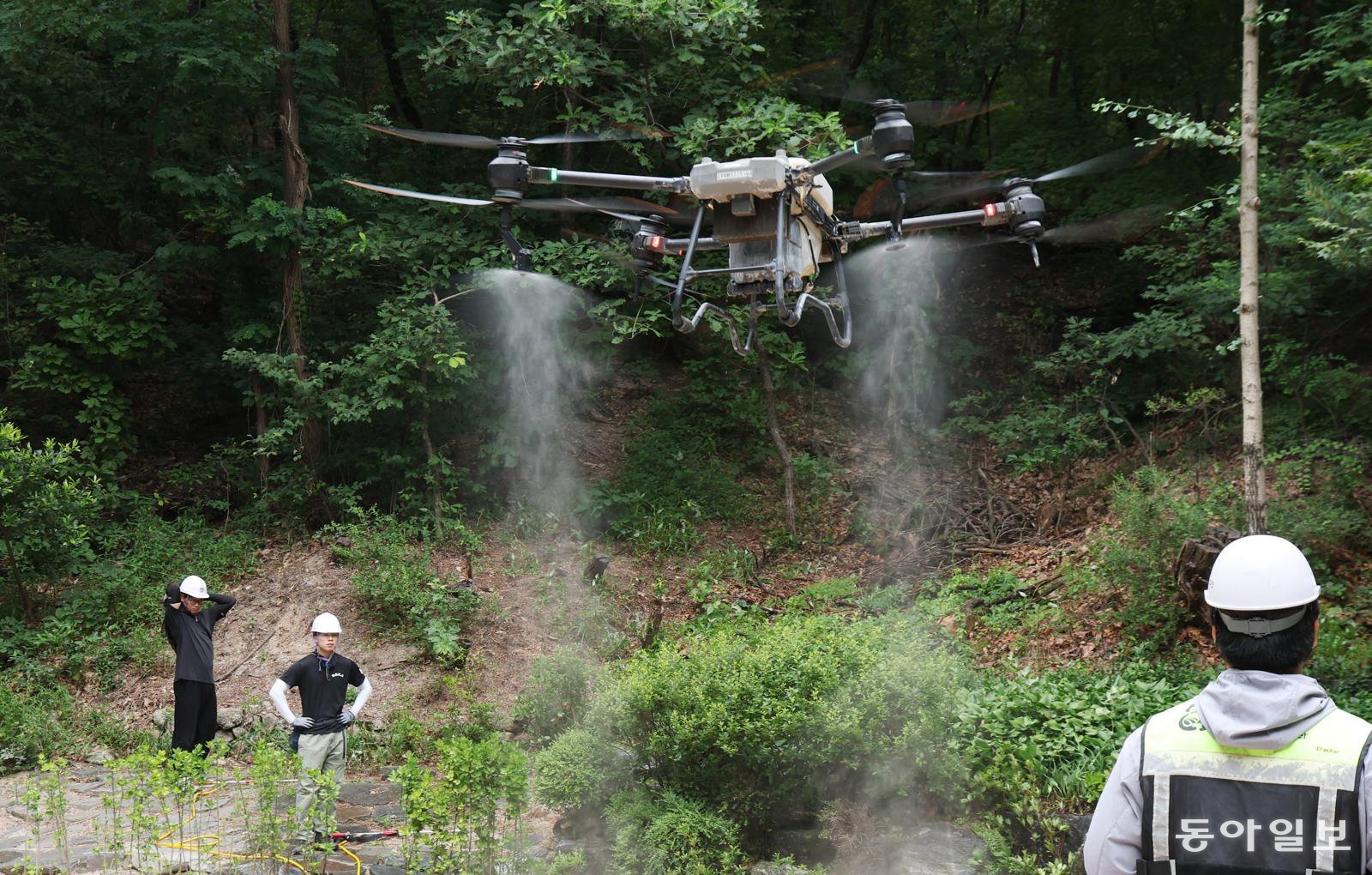
The Forest Service is classifying this as the third major outbreak of pine wilt disease. To combat the spread, they have already removed 1.11 million dead trees and 1.98 million trees suspected of infection, totaling 3.09 million trees. The disease, first identified in South Korea in 1988 at Geumjeongsan in Busan, has now reached the western coastlines, posing a significant ecological and economic challenge.
DistantNews Editorial
Originally published by Dong-A Ilbo in Korean. Translated, summarized, and contextualized by our editorial team with added local perspective. Read our editorial standards.
More Stories



From Our Blog

What Gets Lost (and Found) When News Is Translated

The Critical Role of Diaspora Media in Global News

What Travellers Should Know About Countries with Restricted Press

A Digital Nomad's Guide to Following Local News

How the Same Story Looks Different in Different Countries
