

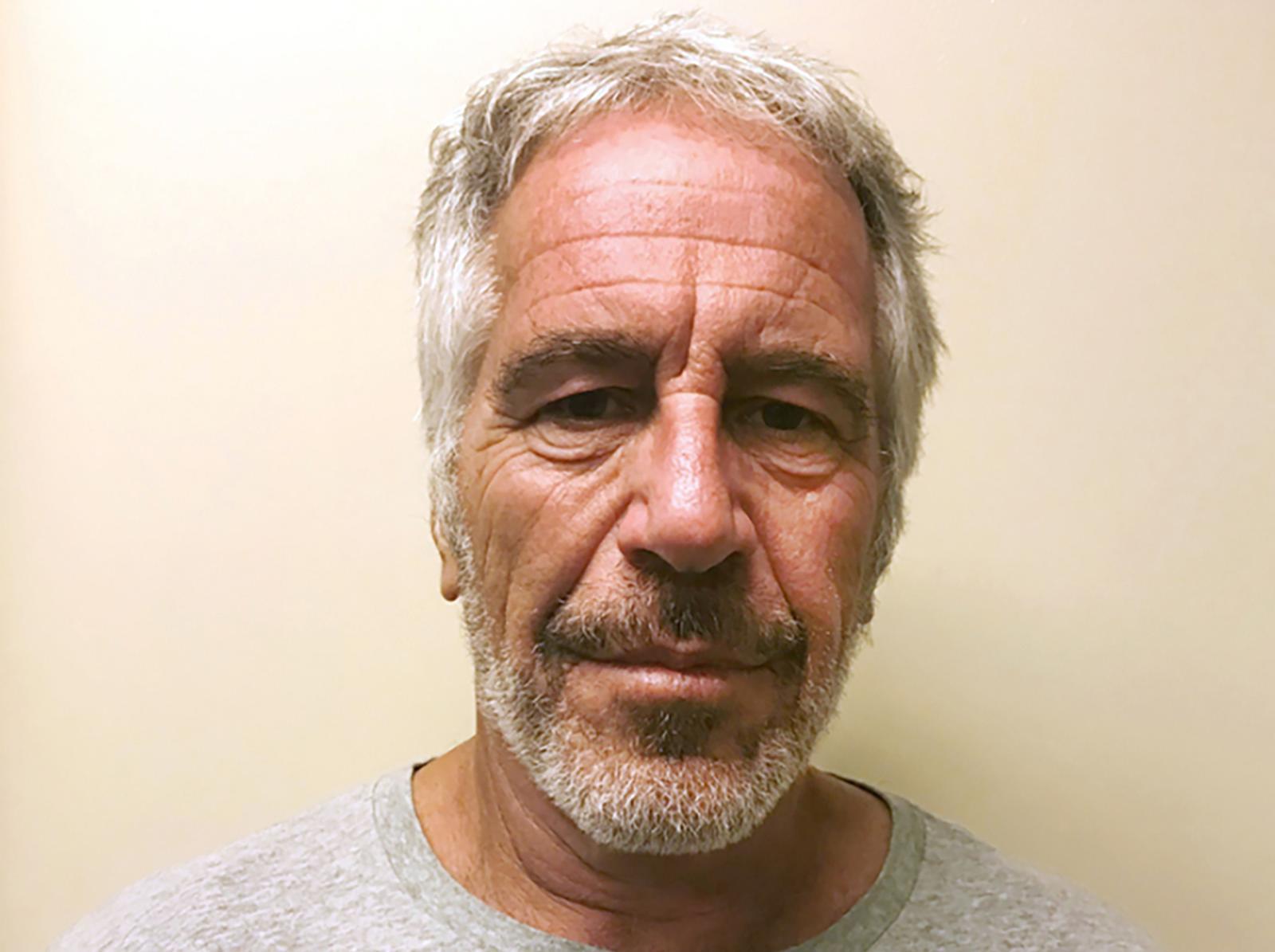

Appeals Court Rules Former PM Han Duck-soo Signed Forged Martial Law Decree
Translated from Korean, summarized and contextualized by DistantNews.
TLDR
- A South Korean appeals court ruled that a post-emergency martial law decree signed by former Prime Minister Han Duck-soo was a forged document.
- The court found that Han, along with other officials, was aware the decree was fabricated after martial law had already ended.
- This ruling is part of a larger case involving allegations of treason and involvement in an attempted coup during a previous administration.
The Hankyoreh reports on a significant legal development concerning former Prime Minister Han Duck-soo. The appeals court's decision that the martial law decree he signed was a forged document marks a critical moment in the ongoing legal proceedings. This ruling directly challenges the legitimacy of actions taken during a period of political turmoil, emphasizing the judiciary's role in holding high-ranking officials accountable.
The post-emergency martial law decree signed by former Prime Minister Han Duck-soo is a forged document.
This case delves into the complex allegations of treason and involvement in an attempted coup, highlighting the deep divisions and political tensions that have characterized recent South Korean history. The court's emphasis on the awareness of the forged nature of the document by key figures, including Han, underscores the gravity of the charges and the potential implications for the former administration.
From our perspective at The Hankyoreh, this verdict is not just about individual accountability but also about safeguarding democratic principles and ensuring that such abuses of power are never repeated. The legal process, while lengthy and complex, is crucial for uncovering the truth and restoring public trust. The differing sentences between the first and second trials also reflect the nuanced legal considerations involved, yet the core finding of a forged document remains a central point of contention and public interest.
Considering that Kim Yong-hyun and Yoon Suk-yeol both knew that the martial law decree was falsely prepared as if it were drafted before the declaration, and signed accordingly, the martial law decree signed by the defendant (former Prime Minister Han) is a forged document.
This story is particularly resonant in South Korea, where the legacy of authoritarian rule and military intervention continues to be a sensitive subject. The public's attention is keenly focused on how the justice system navigates these high-stakes cases, seeking clarity and closure. Unlike some international coverage that might focus solely on the legal technicalities, our reporting emphasizes the broader societal implications and the historical context that makes this trial so vital to the nation's political consciousness.
The defendant (former Prime Minister Han) had the awareness that the contents of the martial law decree were false, and it is judged that the defendant conspired with Kang Ui-sik, presidential secretary, Kim Yong-hyun, and Yoon Suk-yeol to (create a forged document) sequentially and implicitly.
DistantNews Editorial
Originally published by Hankyoreh in Korean. Translated, summarized, and contextualized by our editorial team with added local perspective. Read our editorial standards.
More Stories


From Our Blog

What Gets Lost (and Found) When News Is Translated

The Critical Role of Diaspora Media in Global News

What Travellers Should Know About Countries with Restricted Press

A Digital Nomad's Guide to Following Local News

How the Same Story Looks Different in Different Countries
