

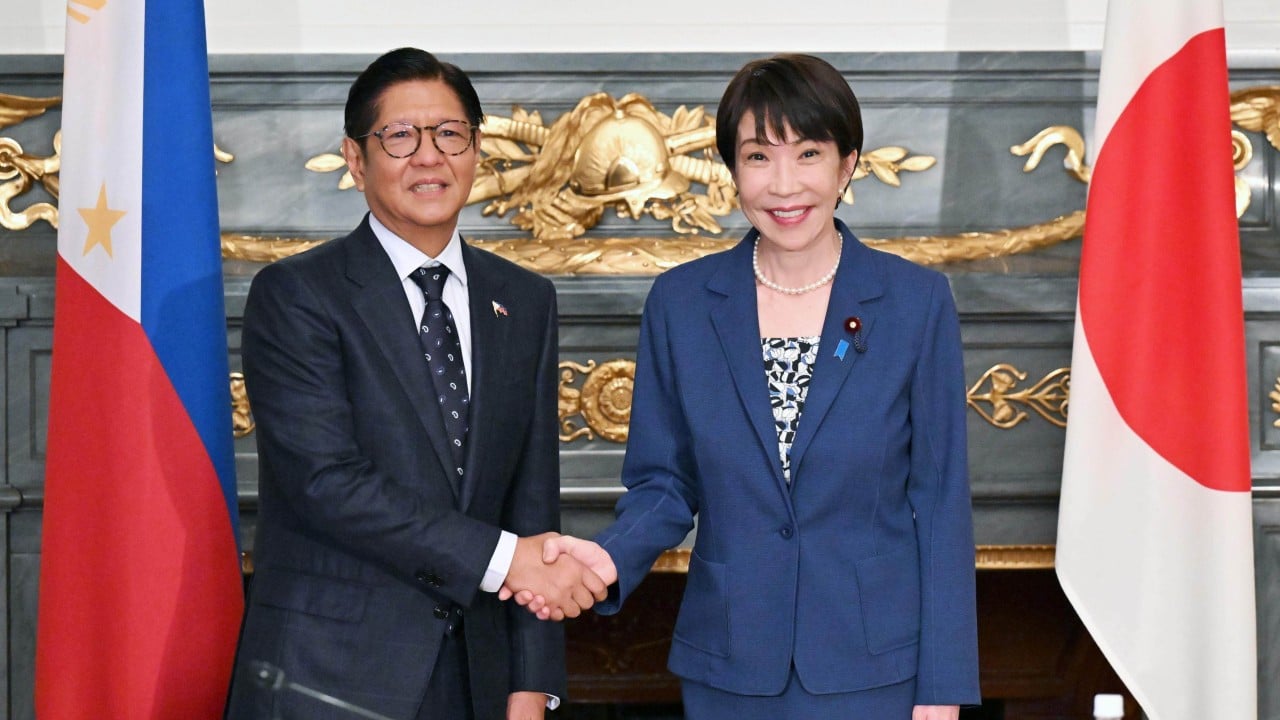
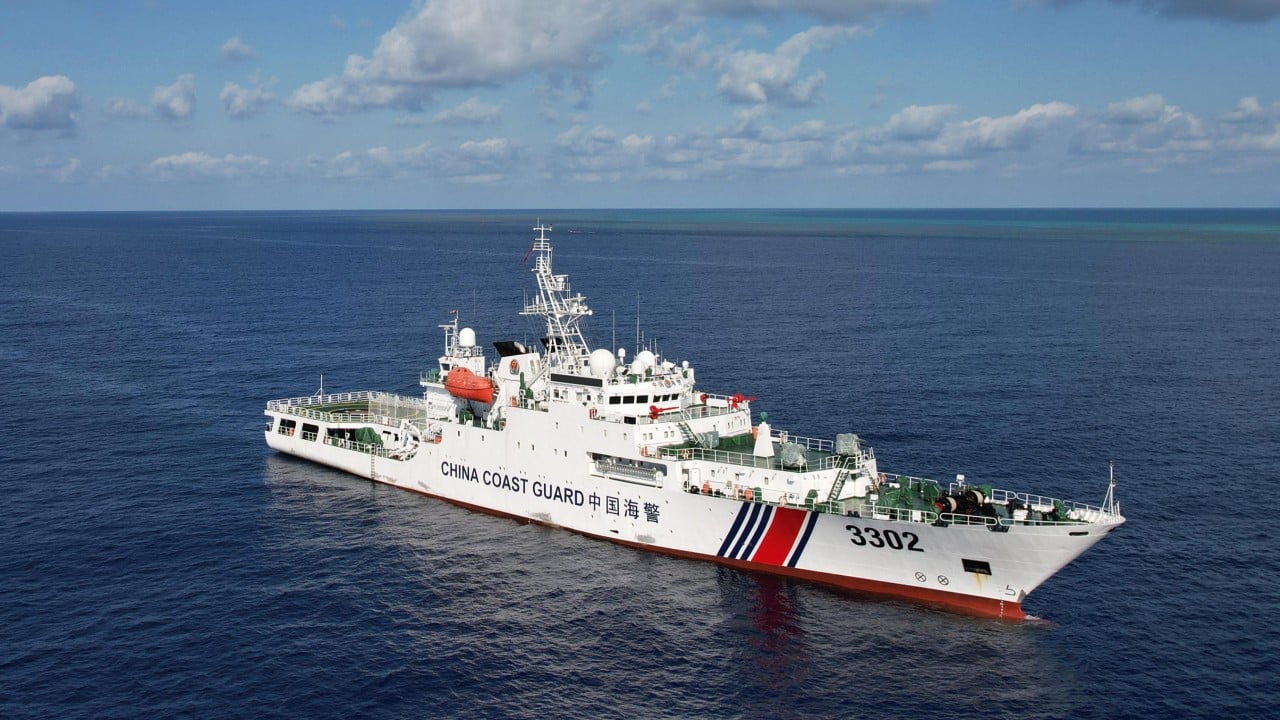
Are Japan-Philippines talks a maritime red line for China’s blue-water ambitions?
Summarized and contextualized by DistantNews.
At a glance
News
Named sources
New plan
- Japan and the Philippines are starting formal negotiations to define their maritime boundaries, which significantly overlap with Taiwan's exclusive economic zones.
- Experts warn these talks, part of a geopolitical strategy by US allies, could reinforce the
Japan and the Philippines have initiated formal negotiations to delimit the maritime boundaries of their exclusive economic zones (EEZs) and continental shelves. This move is strategically significant as the defined zones substantially overlap with Taiwan's territory, east of the island.
Under international law, coastal states are granted EEZ rights up to 200 nautical miles from their shores, including exclusive authority over natural resources and control over artificial installations. However, the legality of foreign military activities within these waters remains a contentious issue.
these talks – part of a highly calculated geopolitical effort by US allies – could reinforce the so-called first island chain and restrict Beijing’s naval access in an area vital to any potential conflict over Taiwan: its clear red line.
Experts suggest that Beijing views these negotiations as a direct challenge to its stance on Taiwan. Ding Duo, director of the Centre for International and Regional Studies at the National Institute for South China Sea Studies, stated that a bilateral agreement extending into waters claimed by third parties holds no legal weight for excluded claimants. The talks are seen as a calculated geopolitical effort by US allies to reinforce the "first island chain" and potentially restrict China's naval access in a region crucial for any conflict over Taiwan.
a bilateral agreement extending into waters claimed by third parties carries no legal weight for excluded claimants.
DistantNews Editorial
Originally published by South China Morning Post. Summarized and contextualized by our editorial team with added local perspective. Read our editorial standards.
More Stories


From Our Blog

Countries Without a Free Press: What You Need to Know

What Press Freedom Means for the News You Read

What Gets Lost (and Found) When News Is Translated

The Critical Role of Diaspora Media in Global News

What Travellers Should Know About Countries with Restricted Press
