


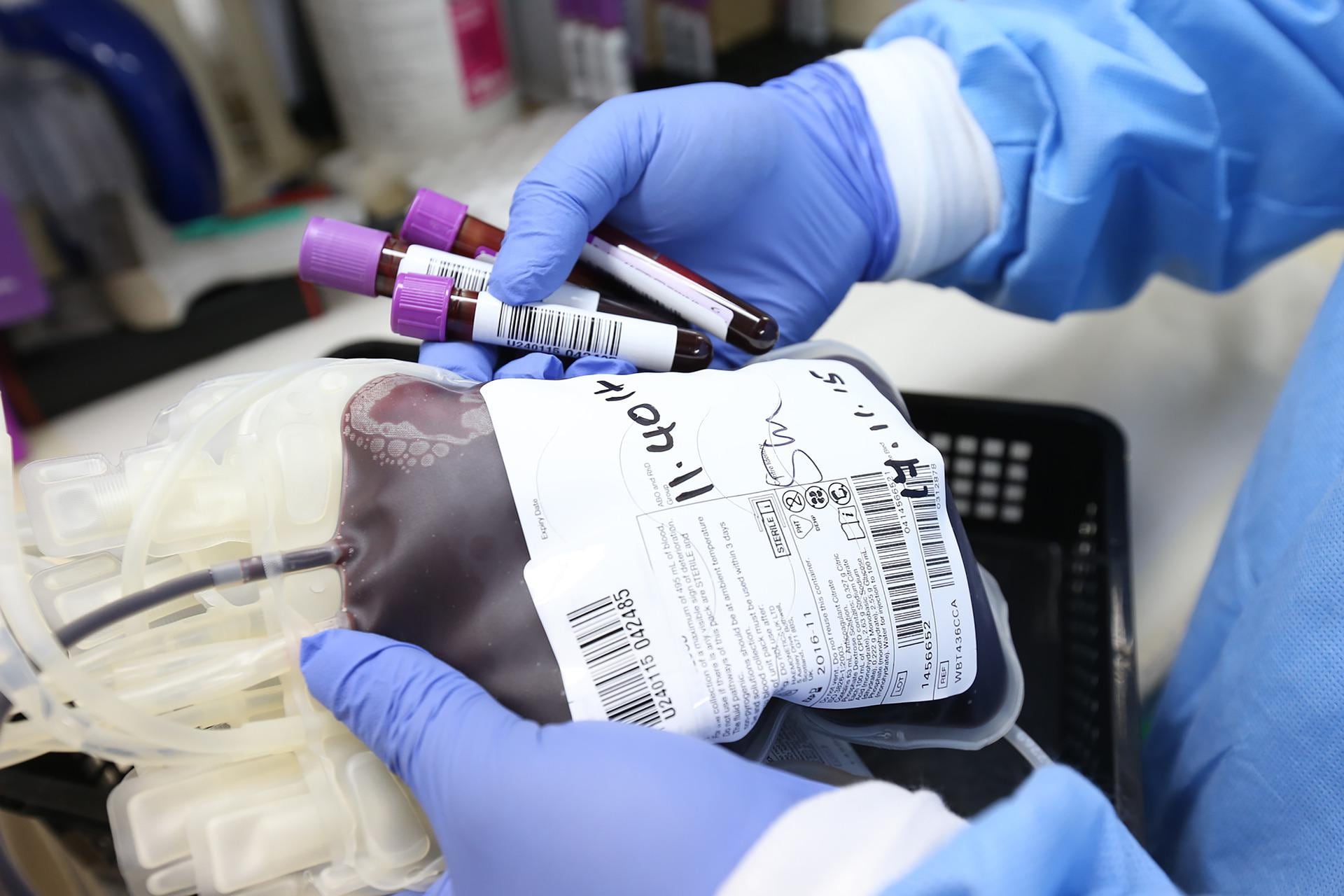
Argentina Overhauls Blood Donation System, Embracing Voluntary Contributions
Translated from Spanish, summarized and contextualized by DistantNews.
TLDR
- Argentina's Ministry of Health has updated its blood donation system, replacing the old model of donation by replacement with a 100% voluntary and habitual donation system.
- The new regulations prohibit conditioning medical care on the presentation of donors by patients or their families, aiming to increase transfusion safety and reduce the burden on patients.
- Donor selection criteria have also been updated, focusing on donor behavior rather than excluding entire population groups, and eliminating the prior fasting requirement.
Argentina's Ministry of Health has taken a significant step forward in modernizing its National Blood System by implementing a new resolution that fundamentally changes the blood donation process. Resolution N° 536/2026 replaces the outdated "donation by replacement" model, where patients or their families were responsible for finding donors, with a system centered on 100% voluntary and habitual donations. This is a crucial shift that not only alleviates the immense pressure on individuals during times of medical need but also enhances the safety and efficiency of blood transfusions nationwide.
prohíbe explícitamente condicionar la atención médica o las cirugías a la presentación de donantes por parte del paciente o sus familiares. Las donaciones destinadas a un paciente específico, solo se permitirán cuando exista una justificación terapéutica.
From our perspective at La Nación, this reform is a triumph for public health and a testament to a more equitable approach to healthcare. The previous system placed an undue burden on patients and their loved ones, often creating a stressful and guilt-ridden experience during already challenging times. By explicitly prohibiting the conditioning of medical care on the provision of donors, the government ensures that access to essential treatments is based on medical necessity, not on a patient's ability to mobilize a donor network. This aligns with our commitment to a healthcare system that prioritizes patient well-being and removes unnecessary obstacles to care.
De esta manera, se deja de trasladar la responsabilidad de conseguir sangre a los pacientes y familiares, y se garantiza mayor seguridad transfusional, dado que el donante voluntario y habitual presenta menor prevalencia de infecciones transmisibles.
Furthermore, the updated donor selection criteria represent a more scientific and less discriminatory approach. Instead of broadly excluding entire population groups based on perceived risk, the new framework focuses on evaluating individual donor behaviors and scientific evidence. This inclusive approach, coupled with the elimination of the prior fasting requirement and updated waiting periods based on specific risk factors, makes blood donation more accessible and encourages a wider pool of willing donors. The transition to a fully voluntary system is not just a procedural change; it signifies a cultural shift towards collective responsibility and solidarity, ensuring a safer and more reliable blood supply for all Argentinians.
Se elimina la exclusión de grupos poblacionales enteros considerados de riesgo y propone evaluar solo las conductas del donante (como prácticas sexuales específicas o uso de drogas) y la evidencia científica.
DistantNews Editorial
Originally published by La Nación in Spanish. Translated, summarized, and contextualized by our editorial team with added local perspective. Read our editorial standards.
More Stories



From Our Blog

What Gets Lost (and Found) When News Is Translated

The Critical Role of Diaspora Media in Global News

What Travellers Should Know About Countries with Restricted Press

A Digital Nomad's Guide to Following Local News

How the Same Story Looks Different in Different Countries
