


Argentina Rushes Strategy After Sunflower Shipment Rejected in Bulgaria
Translated from Spanish, summarized and contextualized by DistantNews.
TLDR
- Argentina is addressing concerns after a sunflower seed shipment was rejected in Bulgaria for exceeding pesticide residue limits.
- The incident highlights the growing stringency of European Union regulations on agricultural imports.
- The Argentine government is analyzing the impact of these demands and seeking alternatives to mitigate trade barriers.
The Argentine government is actively engaged in formulating a strategy following the rejection of a sunflower seed shipment in Bulgaria due to elevated pesticide residue levels, signaling a growing concern over the European Union's increasingly demanding import regulations.
This incident, which occurred in late March, saw Bulgarian health authorities detect levels of pesticides exceeding established parameters in cargo originating from Argentina. Consequently, a portion of the shipment was redirected from the European Union market for other uses, underscoring the heightened scrutiny applied to agricultural imports.
a source of concern that we are analyzing
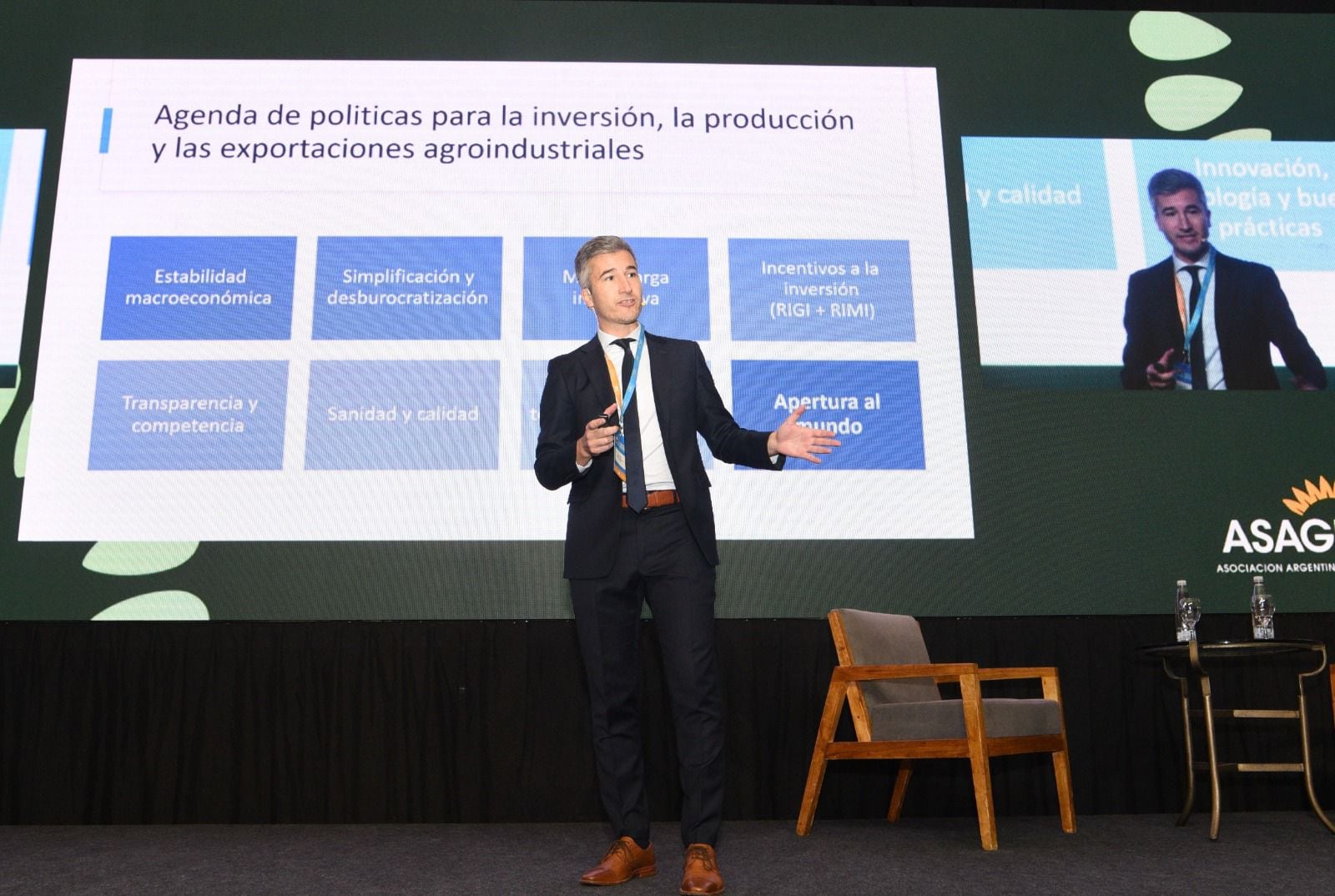
Agustín Tejeda, Undersecretary of Agro-food Markets and International Insertion, acknowledged that the issue is under official analysis. He noted that Argentina is presenting proposals and exploring alternatives to minimize the impact of these new regulations. Key areas of focus include maximum residue limits (MRLs) for substances like pesticides, restrictions related to these inputs, detections of contaminants such as mycotoxins, and new environmental regulations, including those concerning deforestation. Discussions around 'zero tolerance' schemes for certain products are also a significant concern.
We have attributes to be able to comply with these regulations and differentiate competitors
Tejeda emphasized the dual approach required: challenging measures that may act as covert trade barriers while simultaneously adapting the Argentine production system to meet the stringent standards of major markets. He expressed confidence in Argentina's capacity to meet these regulations and differentiate itself from competitors.
Argentina maintains an extensive international trade agenda, with numerous negotiations underway, aiming to open markets globally, particularly in Asia, but also in Europe and other key destinations. The government's proactive stance reflects a commitment to navigating the complexities of international trade and ensuring the continued access of its agricultural exports to vital global markets.
We have a broad agenda to open markets in the main destinations in the world
DistantNews Editorial
Originally published by La Nación in Spanish. Translated, summarized, and contextualized by our editorial team with added local perspective. Read our editorial standards.
More Stories



From Our Blog

What Gets Lost (and Found) When News Is Translated

The Critical Role of Diaspora Media in Global News

What Travellers Should Know About Countries with Restricted Press

A Digital Nomad's Guide to Following Local News

How the Same Story Looks Different in Different Countries
