

Argentina's Grain Farmers Brace for Rising Costs and Fertilizer Uncertainty Amid Global Conflict
Translated from Spanish, summarized and contextualized by DistantNews.
TLDR
- Argentine farmers face rising production costs and potential fertilizer shortages due to the Middle East conflict, impacting the 2026/27 grain harvest.
- Local urea production is projected to meet domestic wheat needs, but summer crops like corn will require imports.
- Farmers are strategically delaying nitrogenous fertilizer purchases amid price uncertainty, while phosphated fertilizer imports are stable.
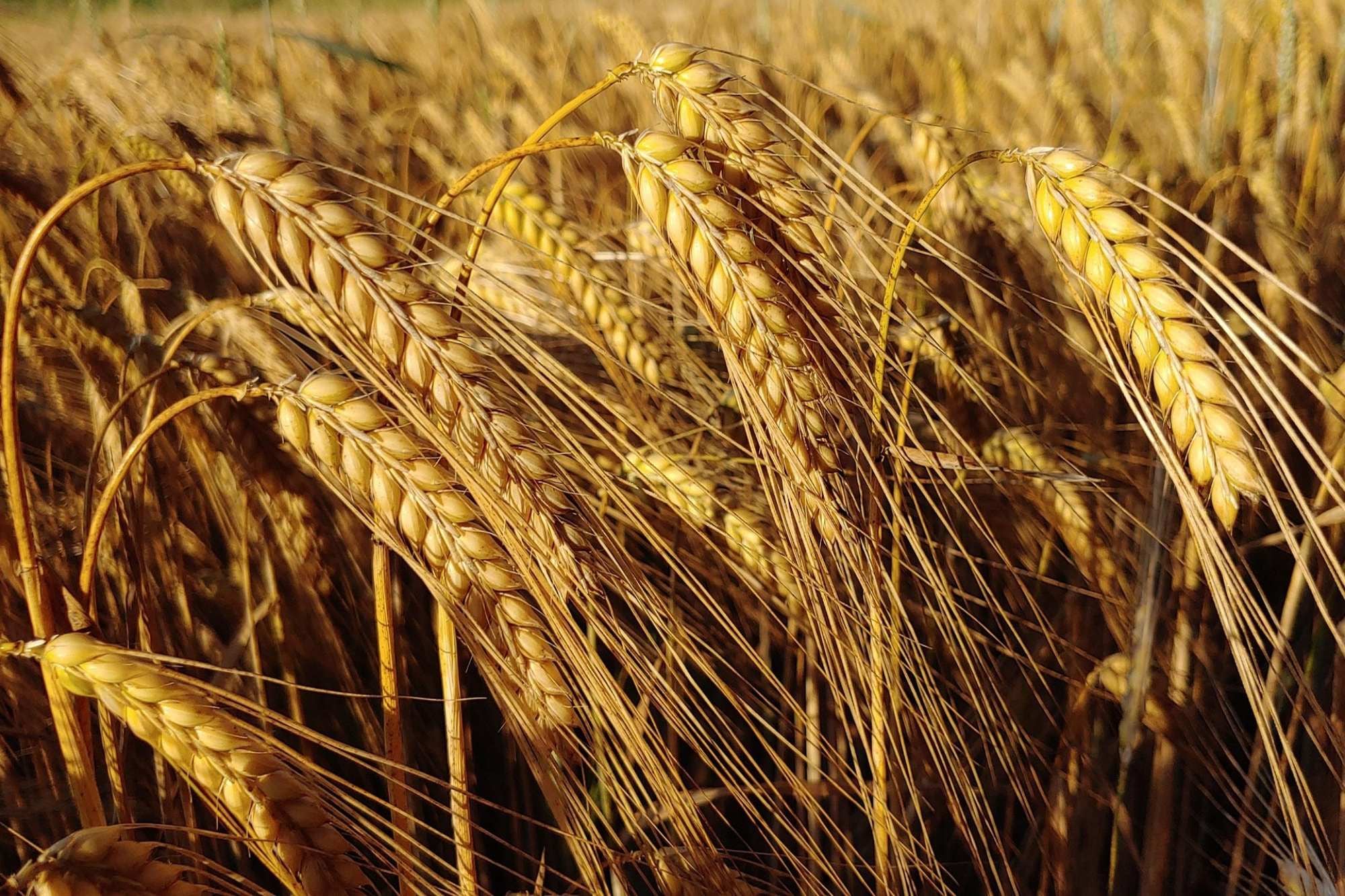
As Argentina's agricultural sector gears up for the 2026/27 grain campaign, producers are navigating a complex landscape shaped by global events and domestic economic pressures. While sufficient soil moisture offers a promising outlook for wheat yields, the specter of increased production costs, exacerbated by the conflict in the Middle East, looms large. This geopolitical instability not only inflates the price of essential inputs like fertilizers but also raises concerns about potential supply chain disruptions.
la producción nacional de nitrógeno resultará suficiente para cubrir los requerimientos de la campaña fina, aunque será necesario recurrir a importaciones – que ya se están concretando desde los países proveedores- para abastecer a los cultivos de verano, principalmente maíz
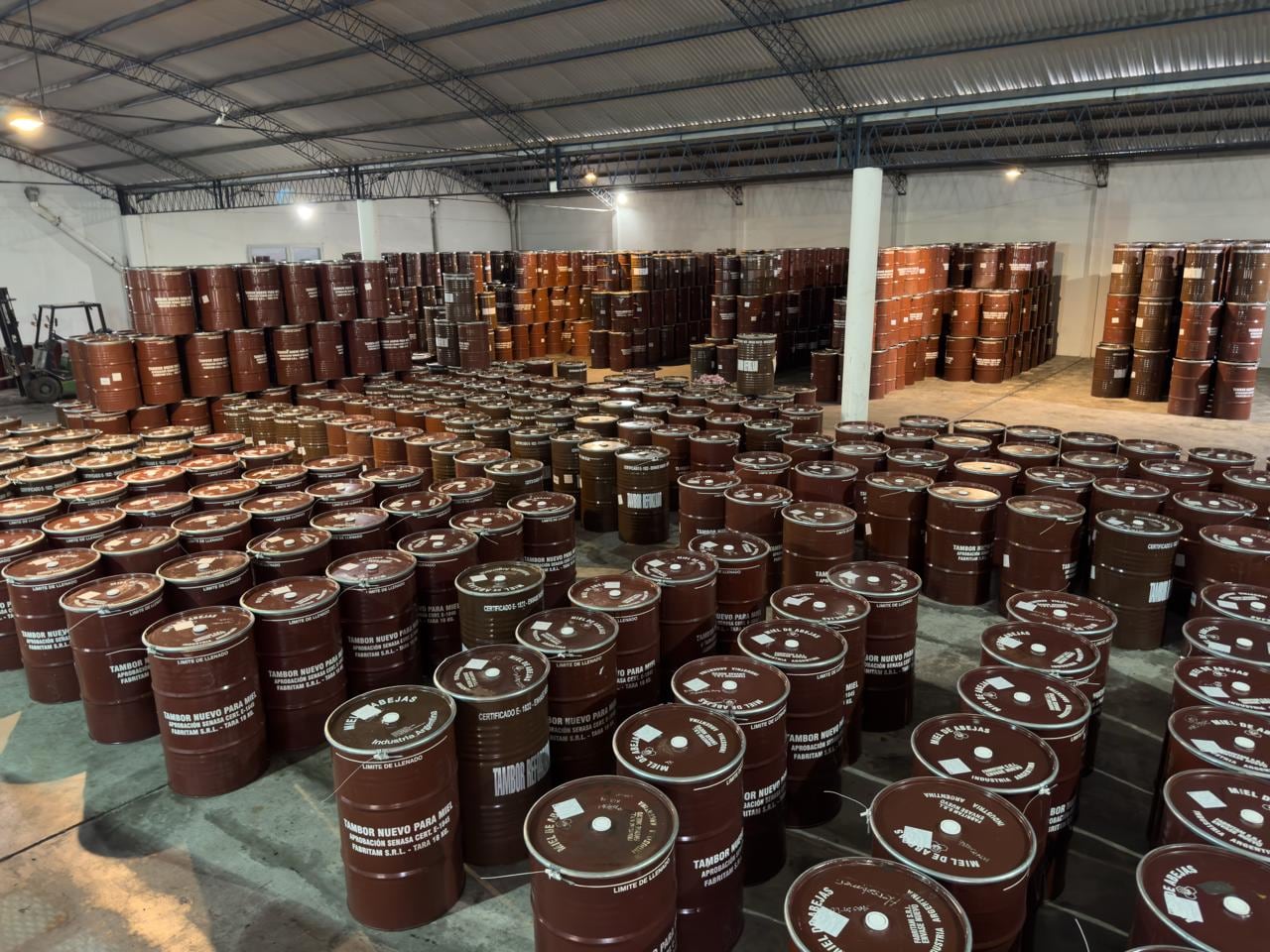
Fertilizar, a prominent civil association, convened a meeting to address these challenges, providing crucial data on fertilizer availability and advocating for efficient usage. The local production capacity for urea, centered in Bahía Blanca, is set to reach 1.25 million tons in 2026, a figure that comfortably covers the projected nitrogenous fertilizer needs for wheat. However, the demand for summer crops, particularly corn, will necessitate continued reliance on imports.
Durante el primer trimestre de 2026, el volumen importado se mantuvo en niveles similares a los registrados en igual período de 2025. Por su parte, los despachos internos se incrementaron de 150.000 a 200.000 toneladas en el período, principalmente asociados a la aplicación de fertilizantes durante la implantación de pasturas
This reliance on imports, especially for phosphated fertilizers, highlights Argentina's integration into global supply chains. While Morocco, China, and the United States are key suppliers, the sourcing of nitrogenous fertilizers is closely tied to major fuel-producing nations. The current strategy among some producers to postpone nitrogenous fertilizer purchases, anticipating a potential price drop if Middle East tensions ease, underscores the delicate balance between managing immediate costs and securing future supply. This situation is uniquely relevant to Argentina, a major agricultural exporter, where input costs directly impact global competitiveness and national food security.
Para la campaña de trigo 2026/2027, hay una adecuada provisión de humedad para la siembra y las etapas vegetativas como resultado de las lluvias otoñales. Este factor resulta determinante para la obtención de
DistantNews Editorial
Originally published by La Nación in Spanish. Translated, summarized, and contextualized by our editorial team with added local perspective. Read our editorial standards.
More Stories


From Our Blog

What Gets Lost (and Found) When News Is Translated

The Critical Role of Diaspora Media in Global News

What Travellers Should Know About Countries with Restricted Press

A Digital Nomad's Guide to Following Local News

How the Same Story Looks Different in Different Countries
