


Argentina's Hantavirus Cases Nearly Double Amid Climate Change Concerns
Translated from Romanian, summarized and contextualized by DistantNews.
TLDR
- Argentina has seen a near doubling of hantavirus cases compared to last year, with 32 deaths and the highest infection rate since 2018.
- Experts attribute the rise to climate change and habitat destruction, noting the virus is typically spread through infected rodent excreta.
- Authorities are tracing a tourist couple who traveled extensively and were aboard a cruise ship where a hantavirus outbreak occurred, complicating the case count.
Argentina is grappling with a significant surge in hantavirus infections, a concerning trend that experts are linking to the escalating impacts of climate change and the degradation of natural habitats. The country has recorded a near doubling of cases compared to the previous year, reaching the highest numbers since 2018 and a concerningly high mortality rate.
The cases of hantavirus infection in Argentina have almost doubled in the last year, with the country recording 32 deaths and the highest number of infections since 2018.
The current epidemiological season has already seen 101 confirmed cases, a stark increase from the 57 recorded during the same period last year. This surge, which does not even include a recent outbreak on a cruise ship, highlights a worrying public health challenge. While hantavirus is endemic in certain regions of Argentina, the widespread nature of the current outbreak and its association with a potentially severe strain, Andes, demands urgent attention.
Experts attribute this increase in the number of cases to climate change and habitat destruction, the disease being usually caused by exposure to the urine or feces of infected rodents.
The connection drawn by experts between climate change and the increase in rodent-borne diseases like hantavirus is particularly alarming. As environmental conditions shift, leading to habitat disruption, the proximity between humans and infected rodents increases, creating fertile ground for outbreaks. This underscores the interconnectedness of environmental health and human well-being, a reality that resonates deeply in a country facing diverse ecological challenges.
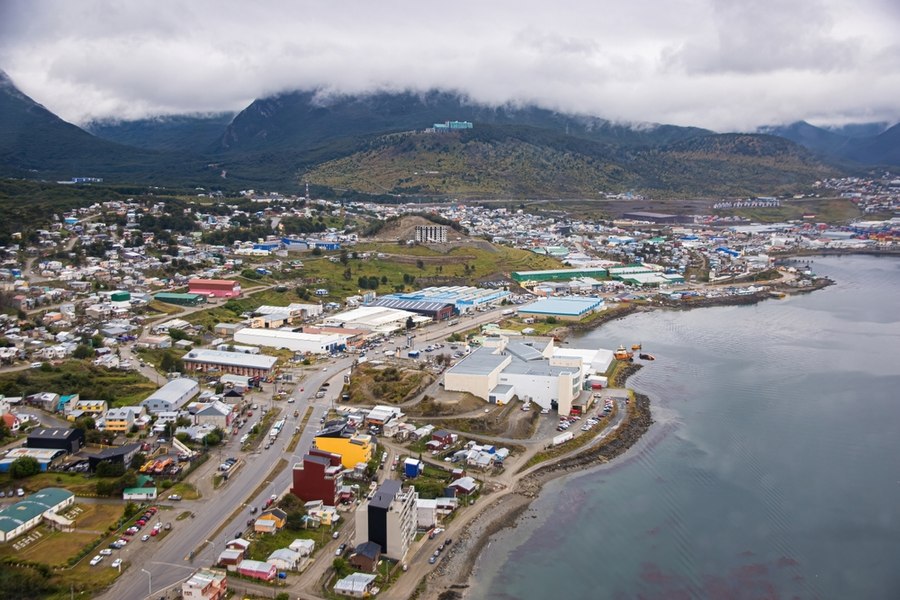
The ship departed from the port of Ushuaia, in southern Argentina, on April 1, and is currently heading for the Canary Islands.
Authorities are working diligently to trace the movements of a tourist couple whose travels may have contributed to the spread of the virus, including their time on the MV Hondius cruise ship. This complex epidemiological investigation, spanning multiple regions and even international waters, reflects the intricate nature of disease containment in a connected world. The situation demands a comprehensive response, integrating public health measures with a broader understanding of the environmental factors at play.
In the current epidemiological season, which began in June 2025, 101 confirmed cases of hantavirus have already been registered, according to the Ministry of Health of Argentina, compared to only 57 in the same period last year.
DistantNews Editorial
Originally published by Adevărul in Romanian. Translated, summarized, and contextualized by our editorial team with added local perspective. Read our editorial standards.
More Stories


From Our Blog

What Gets Lost (and Found) When News Is Translated

The Critical Role of Diaspora Media in Global News

What Travellers Should Know About Countries with Restricted Press

A Digital Nomad's Guide to Following Local News

How the Same Story Looks Different in Different Countries
