


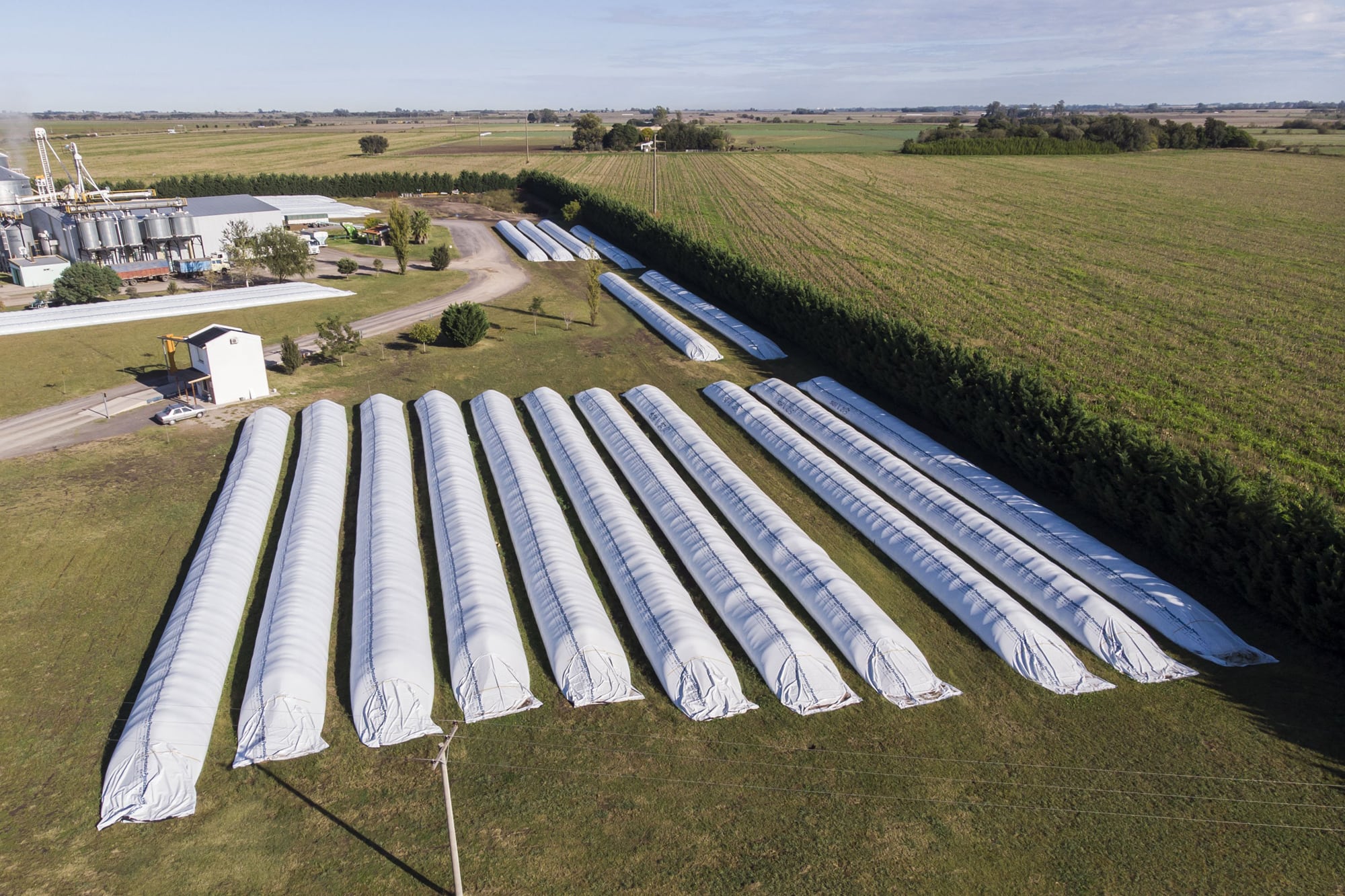
Argentina's record harvest yields below-average profits amid rising costs
Translated from Spanish, summarized and contextualized by DistantNews.
TLDR
- Despite projections of a record harvest in Argentina, agricultural profitability is declining, falling below the average of the last eight years.
- Increased costs for inputs like fertilizers and fuel, coupled with a drop in real dollar income, are squeezing farmers' margins.
- The situation is particularly dire for corn, a key crop impacted by rising urea prices, with farmers in peripheral regions facing negative returns.
Argentina's agricultural sector, renowned globally for its productivity, is facing a paradoxical situation: a bumper harvest is yielding below-average profitability. Reports from the Ieral foundation indicate that current profit margins are significantly lower than the average recorded over the past eight years, painting a concerning picture for the nation's farmers.
The economic squeeze is attributed to a dual pressure: a decline in real dollar income over recent months, juxtaposed with a substantial increase in production costs. Key inputs such as fertilizers and fuel have seen significant price hikes, directly impacting the bottom line. This challenging environment is particularly acute for corn cultivation, where the rising cost of urea, a critical fertilizer for the crop, is eroding profit margins. Farmers in regions outside the core agricultural zones are reportedly experiencing negative returns, a dire outlook for their livelihoods.
Organizations like Coninagro are urging policy adjustments, such as reducing export duties on wheat, to help offset these rising costs and support farmer profitability. The Ieral report highlights that margins are now between US$140 and US$190 per hectare below the average of the January 2018-December 2025 period. The analysis, based on a typical 500-hectare farm, reveals that the economic outcome for producers is a complex interplay of falling revenues and escalating costs, with strategic inputs playing a decisive role.
From an Argentine perspective, this situation is deeply concerning. Agriculture is not merely an economic sector; it is a pillar of the national identity and a crucial source of foreign exchange. The current profitability crisis, exacerbated by state policies and global market fluctuations, threatens the sustainability of family farms and the broader rural economy. While international coverage might focus on the sheer volume of the harvest, the reality on the ground for many Argentine farmers is one of increasing financial strain, demanding urgent attention and potential policy interventions to ensure the sector's long-term health.
DistantNews Editorial
Originally published by La Nación in Spanish. Translated, summarized, and contextualized by our editorial team with added local perspective. Read our editorial standards.
More Stories



From Our Blog

What Gets Lost (and Found) When News Is Translated

The Critical Role of Diaspora Media in Global News

What Travellers Should Know About Countries with Restricted Press

A Digital Nomad's Guide to Following Local News

How the Same Story Looks Different in Different Countries
