

Artificial Intelligence Transforms Hospitality Landscape
Translated from Malay, summarized and contextualized by DistantNews.
At a glance
In-depth
Named sources
Context piece
- Artificial intelligence (AI) is rapidly transforming the global hospitality industry, including hotels and restaurants, with technologies like robot waiters and chatbots.
- While some perceive AI as a threat to jobs, others see it as a catalyst for industry transformation, with over 70% of international hotels adopting automation and AI.
- In Malaysia, the food and beverage sector is also seeing growth in robot usage, with studies indicating positive customer acceptance of robot service quality.
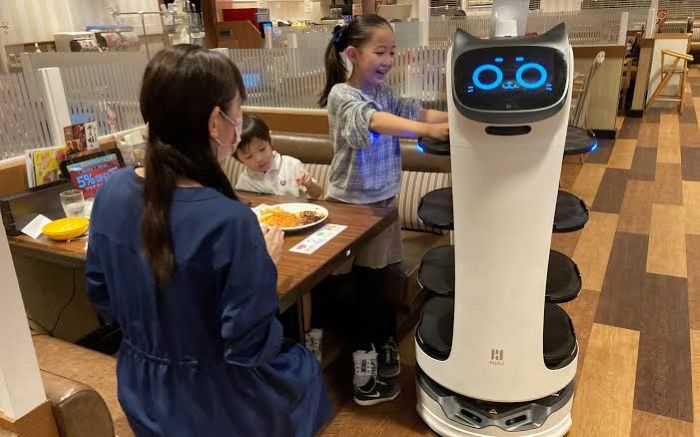
The rapid advancement of artificial intelligence (AI) is reshaping the global hospitality landscape, significantly impacting sectors like hotels and restaurants. Technologies such as robot servers, self-service check-in kiosks, chatbots, and customer data analysis systems are becoming integral to daily operations, aiming to enhance service efficiency and customer experience.
This technological shift sparks diverse reactions. Some view AI as a potential threat to human employment, while others embrace it as a driver of industry transformation. Globally, over 70 percent of international hotels have already integrated automation and AI technologies to boost operational efficiency and reduce management costs. In the hotel industry, AI powers counter-less check-ins, 24/7 chatbots for customer inquiries, and data analytics applications that help understand booking patterns and user needs, thereby speeding up service delivery, minimizing operational errors, and improving customer satisfaction.
AI is no longer just a future idea, but has become part of business operations that help organizations increase productivity and competitiveness.
AI also assists hotel management in forecasting customer demand, optimizing room pricing strategies, and identifying booking trends through precise data analysis. This capability to process vast amounts of data quickly enables management to make faster, more effective decisions. In an increasingly competitive environment, mastering digital technology is crucial for hotels to remain relevant.
Customers gave a positive reception to the use of robots, especially in terms of service efficiency, design, and the robot's ability to respond quickly.
Malaysia is witnessing encouraging developments in robot adoption within the food and beverage (F&B) sector. A notable example is the use of robot waiters at Kluang Rail Coffee, showcasing the local industry's readiness to leverage technology for enhanced service quality and customer experience. Research, including a study on customer acceptance of robot service quality at Kluang Rail Coffee involving 267 respondents, indicates a positive reception from customers, particularly regarding service efficiency, design, and responsiveness.
The study found a significant positive correlation between robot service quality and customer acceptance. Beyond operational efficiency, the deployment of robots adds value to marketing strategies by offering novel customer experiences and bolstering a venue's modern image.
There is a significant positive relationship between robot service quality and the level of customer acceptance.
DistantNews Editorial
Originally published by Utusan Malaysia in Malay. Translated, summarized, and contextualized by our editorial team with added local perspective. Read our editorial standards.
More Stories


From Our Blog

What Gets Lost (and Found) When News Is Translated

The Critical Role of Diaspora Media in Global News

What Travellers Should Know About Countries with Restricted Press

A Digital Nomad's Guide to Following Local News

How the Same Story Looks Different in Different Countries
