

ASEAN enhances strategic self-reliance and autonomy
Translated from Vietnamese, summarized and contextualized by DistantNews.
TLDR
- ASEAN leaders met in Cebu, Philippines, for the 48th ASEAN Summit to discuss enhancing strategic self-reliance, particularly in energy security.
- The bloc faces dual pressures from global economic tensions, trade disruptions, and energy market volatility stemming from Middle East conflicts.
- Experts emphasize the need for ASEAN to move beyond declarations to concrete mechanisms for protecting its development space and ensuring energy security is treated as a strategic imperative.
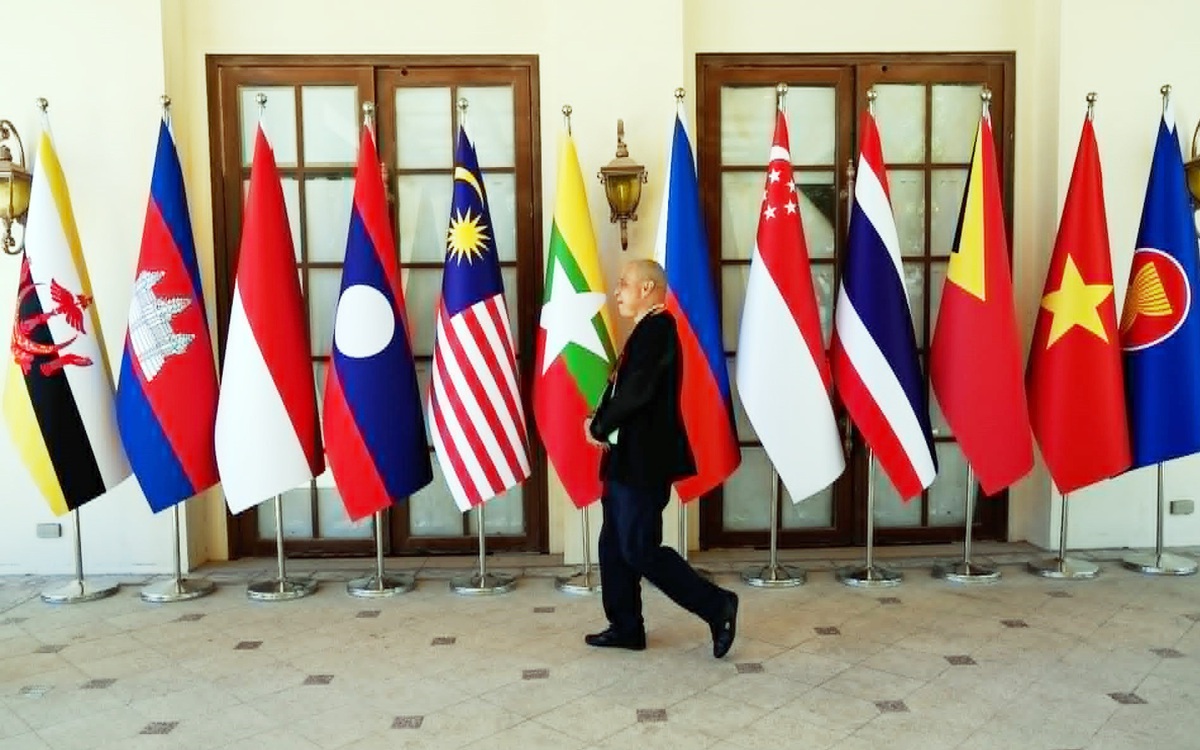
The 48th ASEAN Summit in Cebu highlighted a critical juncture for the Southeast Asian bloc, as leaders grappled with the urgent need to bolster strategic self-reliance, especially concerning energy security. Facing simultaneous pressures from global trade disputes and the volatile energy markets exacerbated by Middle East conflicts, the 680 million people of the region are at a pivotal moment.
ASEAN có thể làm việc với mọi cường quốc, nhưng không bị bất kỳ ai chi phối
Experts like Collins Chong Yew Keat from the University of Malaya stress that 'strategic autonomy' does not mean isolation. Instead, it involves resilience against external shocks, freedom to choose partnerships without being drawn into bipolar alliances, and ensuring ASEAN's central role in shaping its own regional agenda. This perspective is crucial for a region often caught in the geopolitical crossfire of major powers.
Hiện tại không chỉ là thách thức, mà còn là cơ hội để ASEAN hành động tập thể, quyết đoán và đầy toan tính chiến lược
Dr. Majo George from the University of Economics and Finance in Ho Chi Minh City points out that the Middle East crisis has exposed ASEAN's structural vulnerability: dependency. Disruptions to energy supply routes have driven up costs, presenting both a challenge and an opportunity for decisive, strategic collective action. The Vietnamese perspective, as highlighted in the article, sees Vietnam not just as a participant but as a model, aligning with ASEAN's priorities in strategic autonomy, supply chain resilience, and energy transition.
An ninh năng lượng giờ phải được xem là vấn đề an ninh chiến lược, không đơn thuần là vấn đề kinh tế hay khí hậu
From a Vietnamese viewpoint, the emphasis on 'strategic autonomy' is particularly resonant. Unlike some Western narratives that might frame this as a move away from established alliances, Vietnamese and regional analysts see it as a pragmatic necessity for safeguarding national interests and regional stability. The focus is on building robust internal mechanisms and fostering genuine cooperation, ensuring Southeast Asia remains a space for development, not a battleground for external powers. This nuanced approach, prioritizing collective self-interest and resilience, is what makes this summit and its outcomes uniquely significant for the region.
Thách thức của ASEAN không nằm ở việc thiếu tài sản. Thách thức nằm ở việc thiếu liên kết
DistantNews Editorial
Originally published by Tuổi Trẻ in Vietnamese. Translated, summarized, and contextualized by our editorial team with added local perspective. Read our editorial standards.
More Stories


From Our Blog

What Gets Lost (and Found) When News Is Translated

The Critical Role of Diaspora Media in Global News

What Travellers Should Know About Countries with Restricted Press

A Digital Nomad's Guide to Following Local News

How the Same Story Looks Different in Different Countries
