


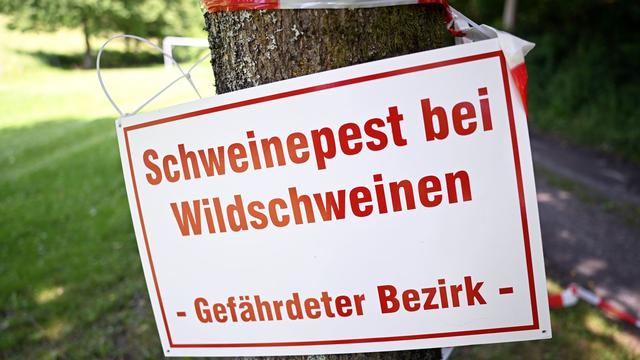
ASF-infected wild boar found near Hesse border
Translated from German, summarized and contextualized by DistantNews.
TLDR
- An African Swine Fever (ASF) infected wild boar carcass was found outside the special protection zone in the Siegen-Wittgenstein district, North Rhine-Westphalia.
- The discovery occurred within a buffer zone, approximately five kilometers from the border with Hesse and ten kilometers from other positive ASF findings.
- This marks the 600th ASF-positive wild boar detected in NRW since June 2025, with the virus posing no threat to humans but being fatal to domestic and wild pigs, potentially leading to economic losses and trade restrictions.
The discovery of an African Swine Fever (ASF) infected wild boar near the border with Hesse is a significant concern for North Rhine-Westphalia, as reported by Die Zeit. This finding, occurring outside the established protection zone but within a buffer area, underscores the persistent threat of the virus's spread.
Our focus at Die Zeit is on the practical implications for agriculture and regional economies. The detection of ASF in wild populations is a constant worry for pig farmers, as an outbreak in domestic herds can lead to the culling of entire stocks and severe economic repercussions, including trade restrictions. The fact that this boar was found just five kilometers from the Hessian border highlights the interconnectedness of the region and the need for coordinated surveillance and control measures.
While the virus is not dangerous to humans, its impact on the swine population is devastating. The ongoing efforts to contain ASF, including the establishment of protection and buffer zones, are crucial. The report notes that around 600 animals have tested positive in NRW since June 2025, a number that, while concerning, also reflects the extensive testing being conducted. The search for further infected animals in the vicinity of the new find is a critical next step.
From a German perspective, the management of such animal health crises is a matter of both economic prudence and ecological responsibility. The swift identification and response to these threats are paramount to safeguarding our agricultural sector and preventing wider outbreaks. The continued monitoring and reporting of these cases are essential for public awareness and for maintaining the necessary vigilance.
DistantNews Editorial
Originally published by Die Zeit in German. Translated, summarized, and contextualized by our editorial team with added local perspective. Read our editorial standards.
More Stories



From Our Blog

What Gets Lost (and Found) When News Is Translated

How the Same Story Looks Different in Different Countries

The Critical Role of Diaspora Media in Global News

What Travellers Should Know About Countries with Restricted Press

A Digital Nomad's Guide to Following Local News
