

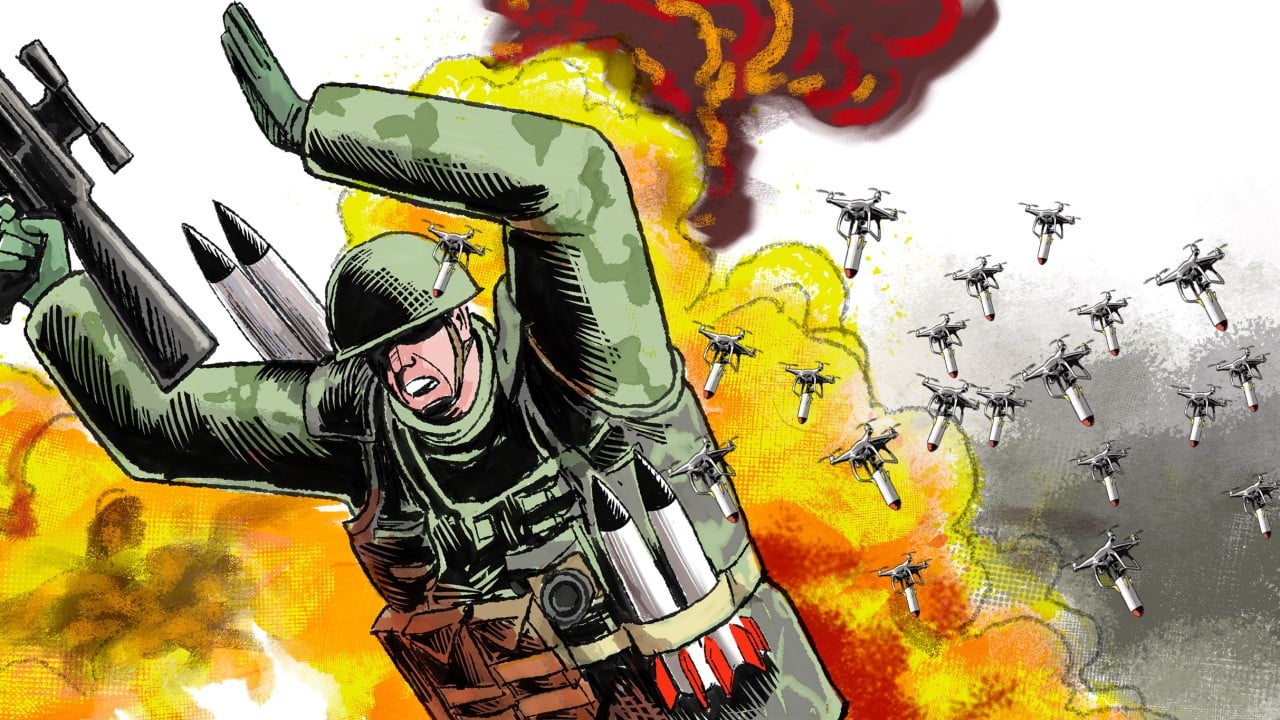
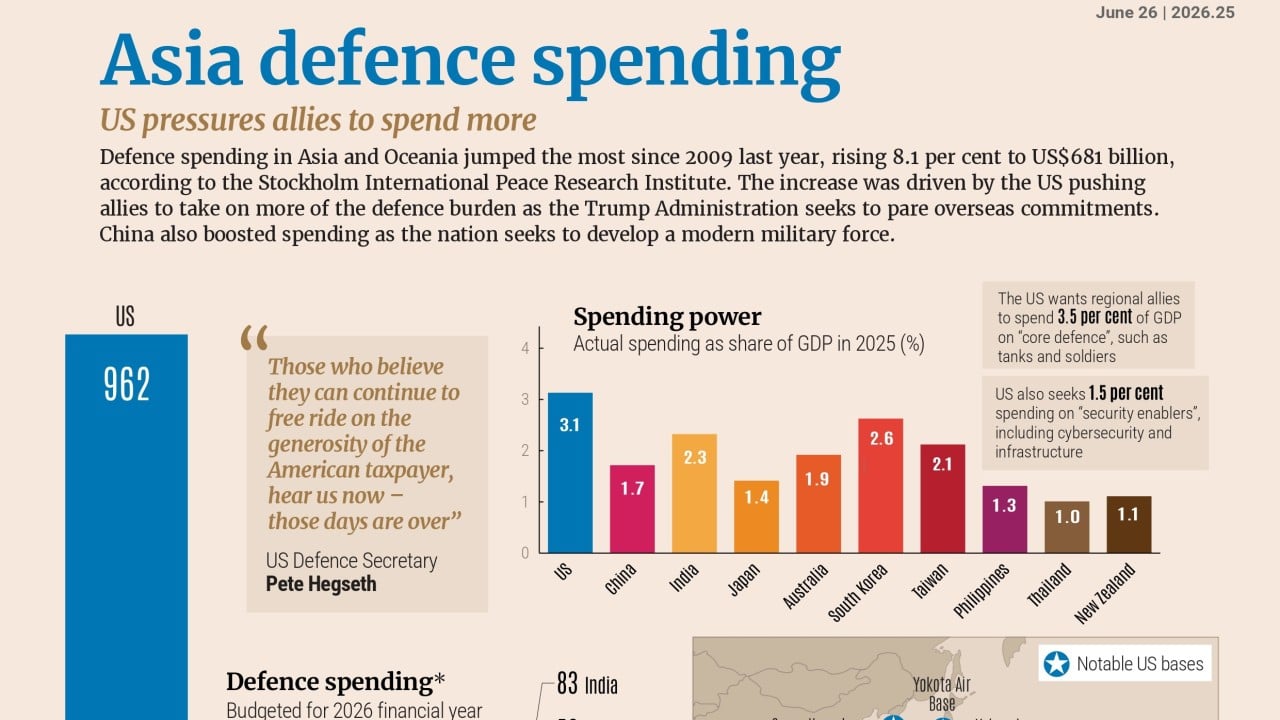
Asia Defence Spending Trends Under Scrutiny
Translated from English, summarized and contextualized by DistantNews.
At a glance
Analysis
Sources not specified
Context piece
- Asia's defense spending has been a topic of discussion, with various countries in the region increasing their military budgets.
- The article likely explores the reasons behind this trend, such as geopolitical tensions and security concerns.
- It may also examine the implications of this increased spending on regional stability and the global arms market.
Asia's defense spending is on the rise, reflecting a complex interplay of geopolitical shifts and evolving security priorities across the region. Nations are increasingly allocating larger portions of their budgets to military capabilities, driven by a range of factors including regional rivalries, territorial disputes, and the perceived need to bolster national security in a dynamic global landscape.
This trend is not uniform, with different countries experiencing varying degrees of increase and focusing on distinct areas of military modernization. Factors such as technological advancements, the modernization of existing forces, and the acquisition of new platforms are central to these strategic decisions. The underlying motivations often stem from a desire to maintain a balance of power, deter potential adversaries, and protect national interests in an increasingly contested environment.
The implications of this heightened defense expenditure extend beyond regional security dynamics. It influences global arms markets, shapes international relations, and can potentially impact economic development as resources are diverted towards military build-ups. Understanding the nuances of Asia's defense spending is crucial for comprehending the broader strategic landscape and the future trajectory of international security.
DistantNews Editorial
Originally published by South China Morning Post in English. Translated, summarized, and contextualized by our editorial team with added local perspective. Read our editorial standards.
More Stories

From Our Blog

Countries Without a Free Press: What You Need to Know

What Press Freedom Means for the News You Read

What Gets Lost (and Found) When News Is Translated

The Critical Role of Diaspora Media in Global News

What Travellers Should Know About Countries with Restricted Press
