


Asia’s Melting Glaciers Could Fill the Empire State Building to Its Roof Every Year
Translated from Korean and summarized by DistantNews. Read the original for the full story.
At a glance
News
Named sources
Ongoing story
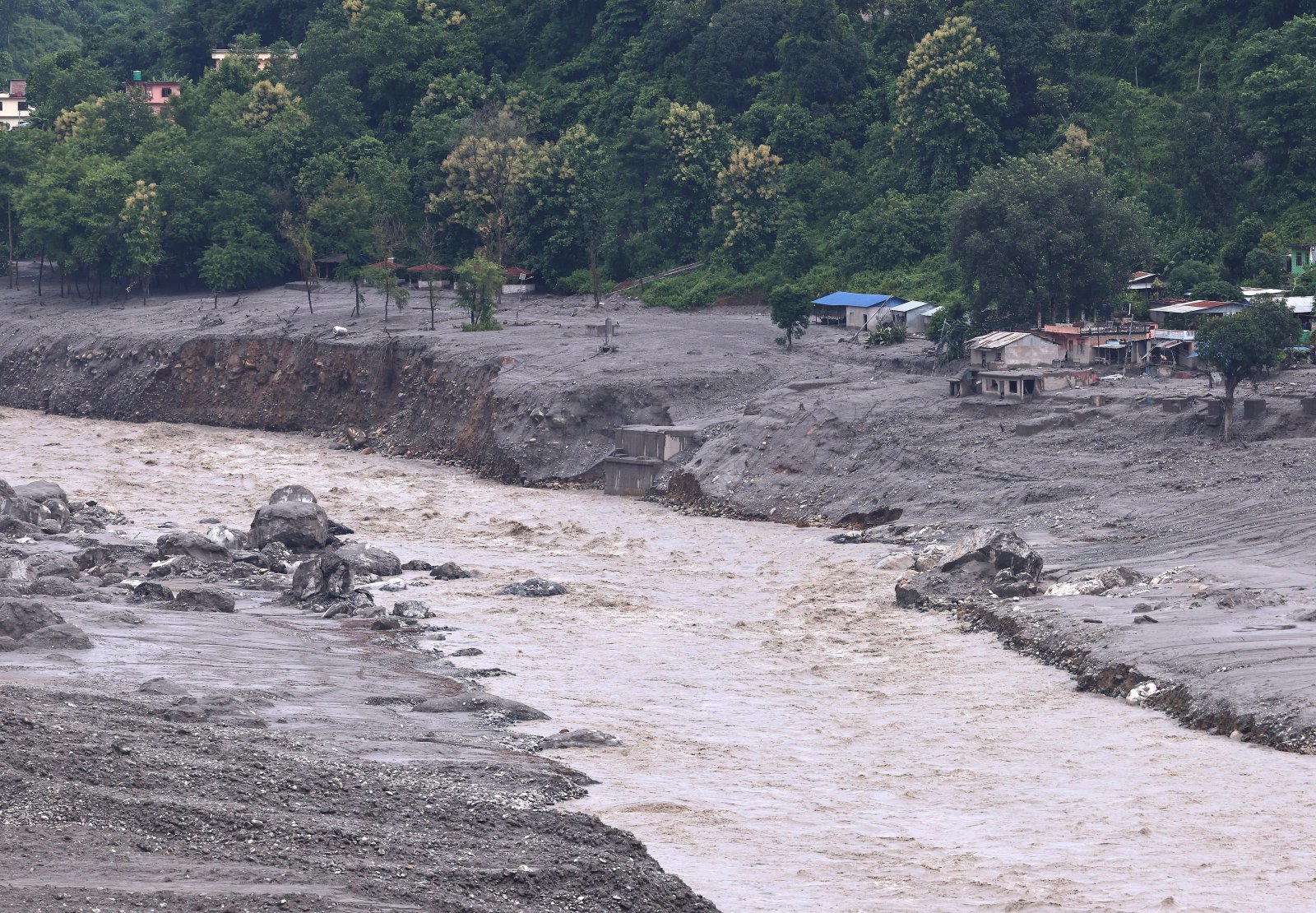
- Scientists link recent flash floods in Nepal and China’s Tibet Autonomous Region to glacier collapses and warn that Asia has at least 95,000 glaciers.
- The glaciers cover an area roughly equal to South Korea, while annual meltwater could theoretically submerge New York’s Empire State Building to its 381-meter roof.
- Studies project that up to 65% of glacier mass, or as much as 75% of remaining high-altitude glaciers, could disappear in Asia by 2100 if carbon emissions remain uncontrolled.
The water produced by Asia’s annual glacier melt alone could theoretically reach the roof of New York’s 381-meter Empire State Building. That comparison captures the scale of the danger now being discussed after deadly flash floods in Nepal and China’s Tibet Autonomous Region.
At least 95,000 glaciers lie across Asia’s mountain regions, including the Himalayas, according to figures cited by CNN. Together, they cover an area close to South Korea’s roughly 100,000 square kilometers. As temperatures rise, experts increasingly describe the glaciers as potential time bombs capable of triggering major floods.
Dan McGrath, a geosciences professor at Colorado State University, told CNN that annual meltwater from Asian glaciers could produce that volume of water. Jin-ho Ahn, a professor at Seoul National University, said the figure comes from the Randolph Glacier Inventory, an international standard database. Researchers count glaciers using satellite imagery, with the inventory defining them under conditions including a minimum area of 0.01 square kilometers.
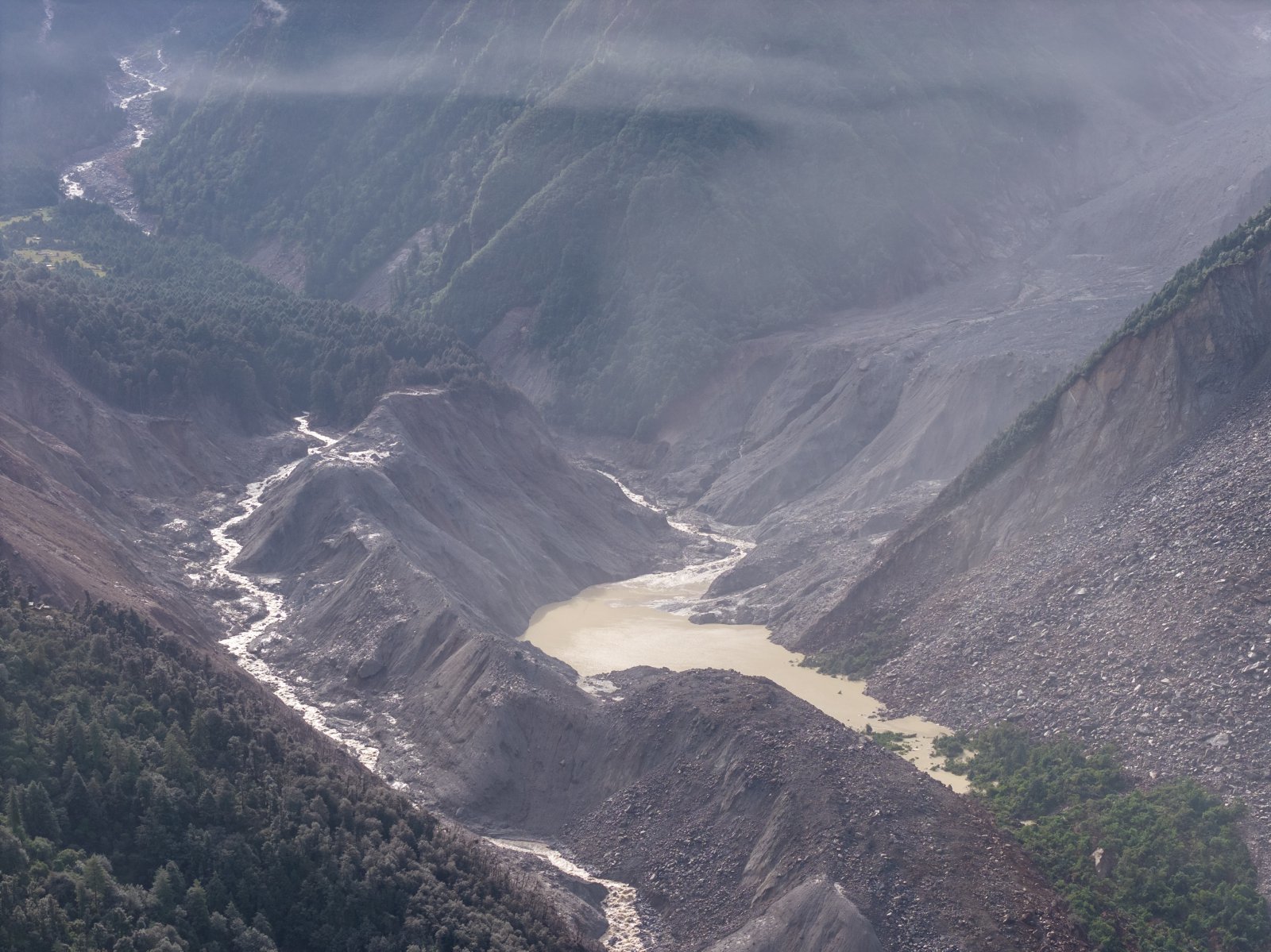
Jason Gulley, a geology professor at the University of South Florida, wrote in The New York Times that Nepal’s melting glaciers resemble time bombs. Glacier collapse can involve avalanches, the breakup of glaciers, or failures in which rock and ice fall together. Dozens of such events have occurred along the China-Nepal border since 1900, he said.
Glacial lakes pose another threat. As glaciers retreat, lakes can form behind unstable rock and sediment dams. Those dams may fail or be overwhelmed by landslides, sending floodwater downstream. A sudden drainage from a lake on a Tibetan glacier surface caused major flooding along the Nepal-China border last July, killing at least 11 people. One study projects that temperatures in the Himalaya-Karakoram region are rising by 0.15 to 0.6 degrees Celsius every decade, faster than the global average, while glacial lakes worldwide have grown in number, area and volume since 1990.
The water produced by Asia’s glaciers melting each year alone could submerge New York’s Empire State Building to its 381-meter top.
About this summary
Originally published by Dong-A Ilbo in Korean. Translated, summarized, and contextualized automatically by DistantNews, with a note on how the source frames the story. Not individually reviewed before publishing. How this works.
More Stories


From Our Blog

What Gets Lost (and Found) When News Is Translated

The Critical Role of Diaspora Media in Global News

What Travellers Should Know About Countries with Restricted Press

A Digital Nomad's Guide to Following Local News

How the Same Story Looks Different in Different Countries
