

Asian Stocks Rebound with Tech, Yen Holds Near 40-Year Low
Translated from English, summarized and contextualized by DistantNews.
At a glance
News
Sources not specified
Context piece
- Asian stocks mirrored a Wall Street rebound, with tech firms leading gains after recent sell-offs.
- The yen remained near a four-decade low against the dollar amid interest rate expectations.
- Investors are watching for US jobs data and potential currency intervention by Japan.
Asian stock markets followed Wall Street's lead on Tuesday, June 30, with technology companies spearheading a rebound after significant selling pressure in the preceding two weeks. The yen, meanwhile, held steady around its lowest level against the dollar in four decades.
Optimism surrounding a potential de-escalation of the US-Iran crisis and the reopening of the Strait of Hormuz has shifted market focus back to central bank monetary policies and the future of the artificial intelligence boom. The tech sector, which had previously driven a global rally to record highs for many companies, had recently suffered due to concerns over stretched valuations, rising interest rates, and the timing of investment returns.
A surge of bargain hunting after the recent selloff fueled a strong performance on Wall Street, with the Dow Jones Industrial Average reaching a new peak and the Nasdaq Composite climbing over 2 percent. This recovery was bolstered by strong finishes from major tech players like Amazon, Meta, and Nvidia. "After last week's record selling in big tech, buyers returned to the same names they were throwing overboard only days earlier," noted Stephen Innes of SPI Asset Management. "That does not mean the AI trade has suddenly been cured. It means the patient stopped bleeding long enough for the surgeons to begin bidding the stock back up."
After last week's record selling in big tech, buyers returned to the same names they were throwing overboard only days earlier. That does not mean the AI trade has suddenly been cured. It means the patient stopped bleeding long enough for the surgeons to begin bidding the stock back up.
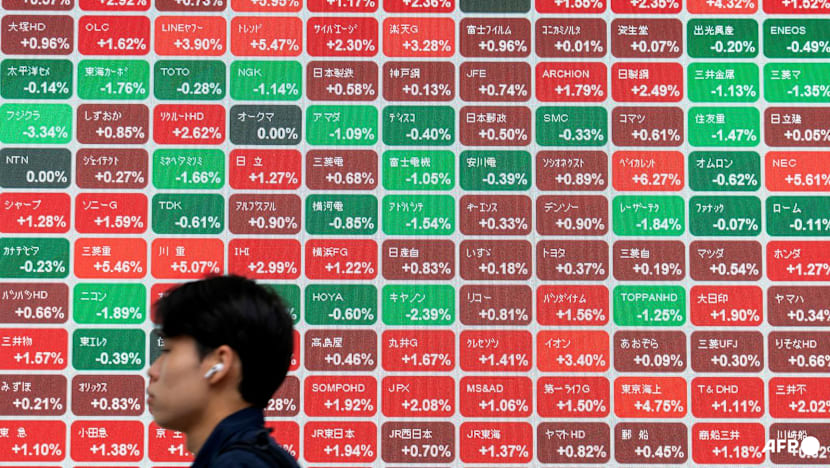
In Asia, the Kospi in Seoul, South Korea's benchmark index, rose 1 percent after a hesitant start, though it remains significantly below its recent record high. Tokyo and Taipei also saw sharp increases, while Shanghai, Wellington, and Bangkok experienced buying interest. Major chipmakers like Samsung in South Korea and Tokyo Electron in Japan gained over 3 percent, and TSMC in Taipei advanced more than 1 percent. However, Hong Kong, Sydney, Singapore, Manila, and Jakarta declined. European markets in London, Paris, and Frankfurt all saw gains.
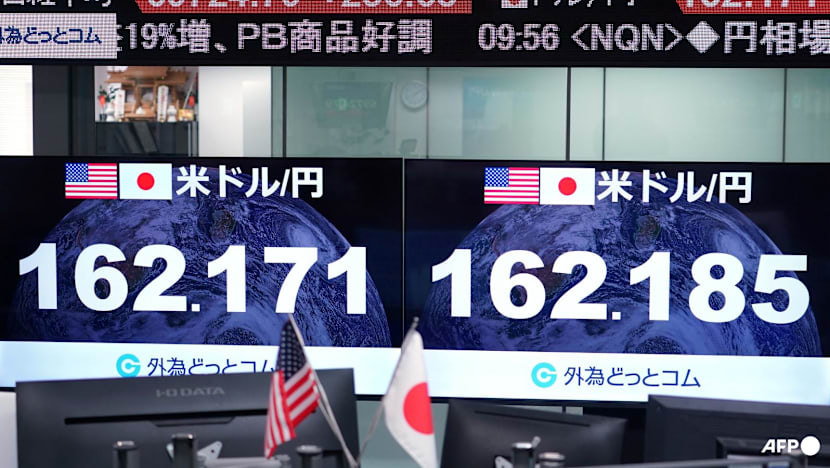
Traders are closely monitoring Tokyo due to speculation about potential government intervention in currency markets. The yen hit 162.40 against the dollar, its weakest point since 1986, driven by expectations that the U.S. Federal Reserve might raise interest rates this year. Despite a recent increase in borrowing costs by the Bank of Japan, the yen has not strengthened. Japanese officials have repeatedly warned of intervention, with Finance Minister Satsuki Katayama reportedly stating on Tuesday that Tokyo "will take appropriate action at any time as necessary." The government previously spent a record $72.4 billion to support the yen between late April and late May.
will take appropriate action at any time as necessary
DistantNews Editorial
Originally published by CNA in English. Translated, summarized, and contextualized by our editorial team with added local perspective. Read our editorial standards.
More Stories



From Our Blog

What Gets Lost (and Found) When News Is Translated

The Critical Role of Diaspora Media in Global News

What Travellers Should Know About Countries with Restricted Press

A Digital Nomad's Guide to Following Local News

How the Same Story Looks Different in Different Countries
