

Asian stocks steady, oil lower as US and Iran sign peace deal
Summarized and contextualized by DistantNews.
At a glance
News
Named sources
Context piece
- Asian stocks remained steady while oil prices dipped following the signing of an interim peace deal between the U.S. and Iran.
- The deal extends a ceasefire for 60 days to facilitate negotiations for a final truce, though U.S. President Trump issued a threat regarding adherence.
- Markets reacted to U.S. Federal Reserve Chair Kevin Warsh's comments on inflation and interest rates, while Japan's Nikkei reached a record high.
Asian stock markets showed stability, and oil prices declined on Thursday as investors processed the implications of an interim peace deal signed between the United States and Iran. The agreement aims to extend a ceasefire by another 60 days, providing a window for negotiating a final truce, although U.S. President Donald Trump issued a warning against any breaches of commitment.
Despite the progress toward de-escalation in the Middle East, uncertainties persist, influencing market sentiment. The text of the agreement, which had been widely circulated prior to its official release, confirms the extended ceasefire. Kyle Rodda, a senior financial market analyst at Capital.com, noted that "major geopolitical risk persists and will also remain a major driver of market action."
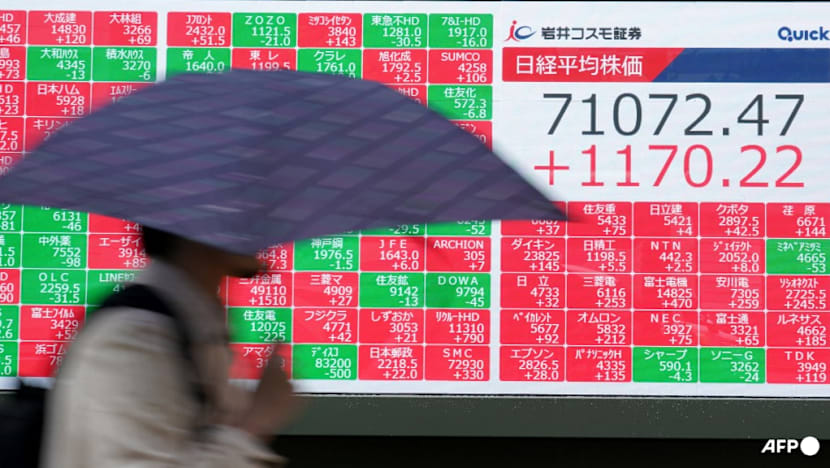
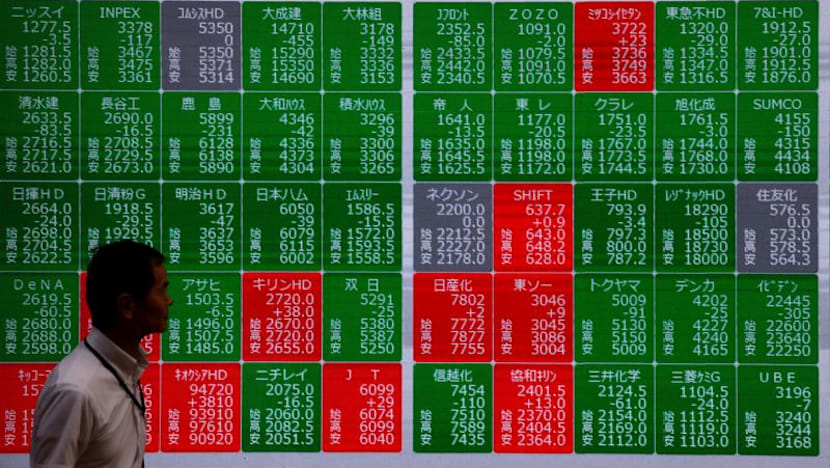
In regional market performance, MSCI's broadest index of Asia-Pacific shares outside Japan was flat. Conversely, Japan's Nikkei share average surged to a new record high, surpassing 71,000 for the first time, driven by strong gains in semiconductor and AI-related stocks. South Korean shares also saw a positive trend, rising by 0.9 percent.
Meanwhile, U.S. stock futures indicated a positive opening, with the S&P 500 e-minis up 0.81 percent. The benchmark 10-year Japanese government bond yield increased slightly. Oil prices experienced a downturn, with U.S. crude falling 1.25 percent to $75.83 a barrel and Brent crude down 1.4 percent to $78.41 per barrel.
Overnight on Wall Street, major indexes saw declines as traders anticipated potential interest rate hikes from the Federal Reserve. Fed Chair Kevin Warsh's emphasis on taming inflation and projections of rising interest rates later this year influenced market behavior. The Dow Jones Industrial Average, S&P 500, and Nasdaq Composite all fell by approximately 1 percent or more. The yield on benchmark 10-year Treasury notes rose, with the 2-year yield touching a higher point, reflecting expectations of increased Fed funds rates. The Bank of England was also set to meet, with no change in rates expected, leaving focus on policymakers' commentary. The dollar saw a slight increase against the yen, reaching its highest level since July 2024, while the dollar index saw a minor dip. The euro experienced a slight rise against the dollar. Recent declines in oil prices have eased concerns about an economic slowdown, particularly in energy-importing regions like Europe.
Major geopolitical risk persists and will also remain a major driver of market action
DistantNews Editorial
Originally published by CNA. Summarized and contextualized by our editorial team with added local perspective. Read our editorial standards.
More Stories


From Our Blog

What Gets Lost (and Found) When News Is Translated

The Critical Role of Diaspora Media in Global News

What Travellers Should Know About Countries with Restricted Press

A Digital Nomad's Guide to Following Local News

How the Same Story Looks Different in Different Countries
