


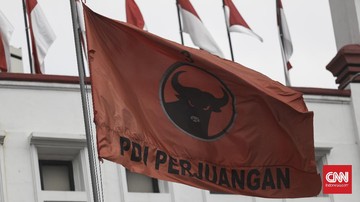

Attorney General's Office urges court to reject Lodewyk's challenge, says asset seizure was lawful
Translated from Indonesian and summarized by DistantNews. Read the original for the full story.
At a glance
News
Official statement
In the courts
- Indonesia's Attorney General's Office urged the South Jakarta District Court to reject Lodewyk Pusung's pretrial challenge to the seizure of his assets.
- Prosecutors cited the new Criminal Procedure Code, which allows investigators to seize property with court authorization and, in urgent cases, to seek approval afterward for movable items.
- The office said electronic devices and storage media could be moved, hidden, destroyed or altered if investigators delayed securing them.
Indonesia's Attorney General's Office has asked a South Jakarta judge to reject former National Nutrition Agency deputy head Lodewyk Pusung's pretrial challenge, arguing that the seizure of his assets followed criminal procedure law.
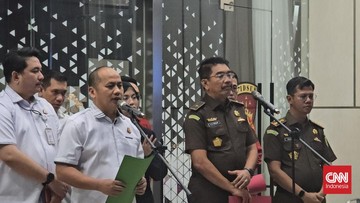
The office's legal bureau made the argument during a hearing at the South Jakarta District Court on Monday. It cited Article 118 of the new Criminal Procedure Code, which allows investigators to seize property after seeking permission from the head of the district court where the property is located.
The bureau said investigators may act without prior permission in urgent circumstances, but only for movable property. They must then seek the district court's approval within five working days, under Article 120.
Urgent circumstances as referred to in Article 120 paragraph 1 are not abstract, but have been given parameters by the lawmakers in Article 120 paragraph 2.
The code lists urgent circumstances including difficult geographic access, a suspect being caught in the act, a clear risk that evidence could be damaged or removed, easily movable property, serious threats to national security or a person's life, and situations determined by investigators.
The legal bureau said the need for immediate action was especially strong because the items involved could include electronic devices, storage media, mobile phones, computers and other equipment that stores or provides access to electronic evidence. Delaying action, it argued, could allow the items to be moved or hidden, or allow data to be destroyed or changed.
On that basis, the Attorney General's Office asked Judge Sulistyo Muhammad Dwi Putro to dismiss Lodewyk's application as legally unfounded.
If securing these items were delayed too long, there would be a risk that they could be moved from their original location, hidden, destroyed, or used to remove or alter the electronic data stored on them.
About this summary
Originally published by CNN Indonesia in Indonesian. Translated, summarized, and contextualized automatically by DistantNews, with a note on how the source frames the story. Not individually reviewed before publishing. How this works.
More Stories

From Our Blog

News in Translation: What Gets Lost, and How We Keep the Framing

Diaspora Media: How Communities Follow News From Home

Traveling Where the Press Is Not Free: How to Read the News There

The Digital Nomad's Guide to Local News

The Same Story, Different Countries: How Coverage Changes at the Border
