


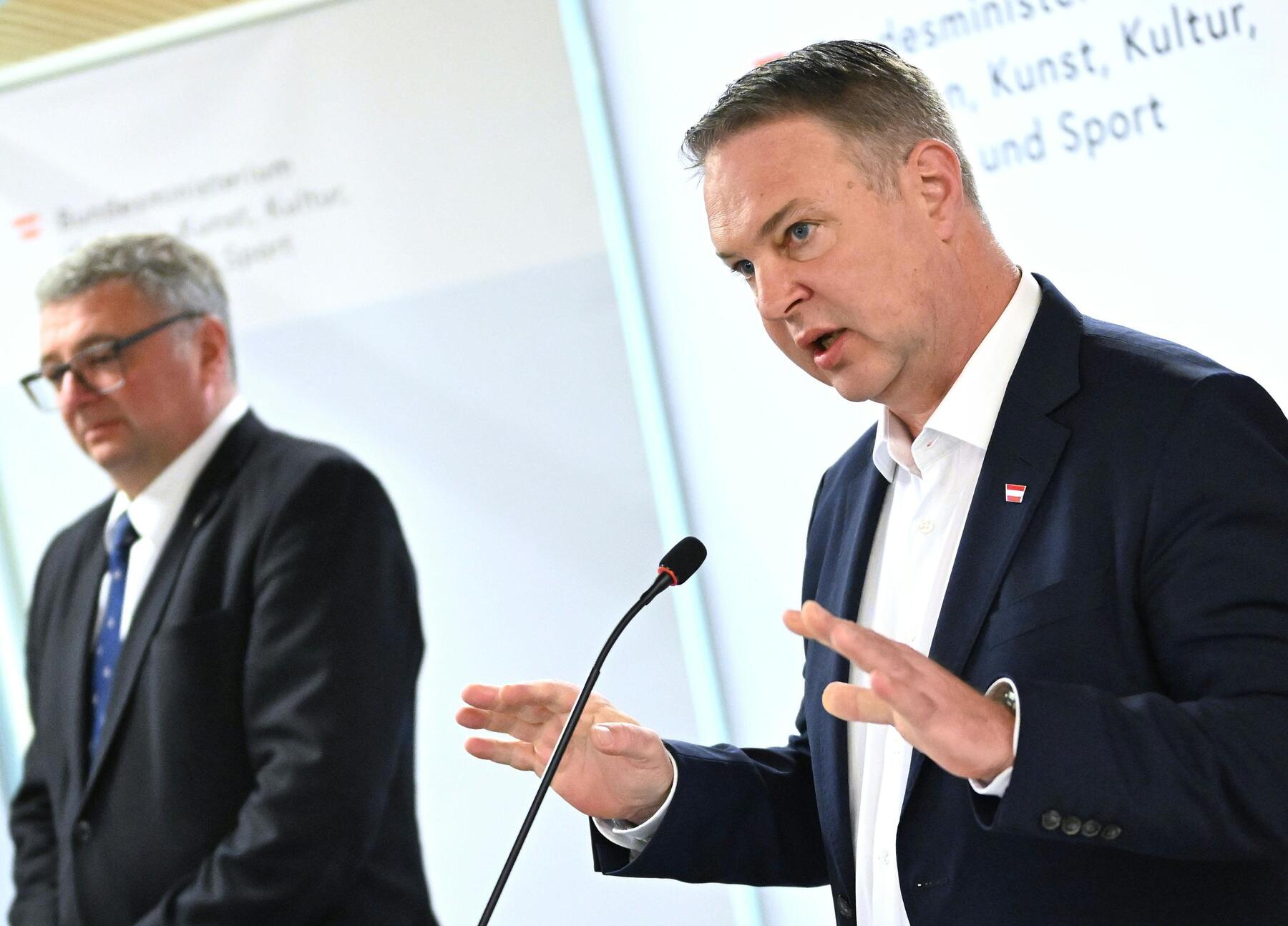
Austria to Reform Media Funding, Prioritizing Quality Journalism and Innovation
Translated from German, summarized and contextualized by DistantNews.
TLDR
- Austrian Vice Chancellor Andreas Babler plans to reform media funding to support quality journalism and innovation.
- The proposed system aims to strengthen smaller, digital, and community-oriented media projects, with a significant budget increase planned.
- Media companies paying bonuses to managers may be excluded from public funding under the new regime.
Austria is poised for a significant overhaul of its media funding system, driven by Vice Chancellor Andreas Babler's commitment to fostering "order" and supporting "quality journalism and innovation." This initiative, detailed in a recent scientific study on journalism funding in Austria, aims to fundamentally realign how public funds are distributed within the media sector.
The core objective of the proposed reforms is to bolster "smaller, digital, and community-oriented media projects." Notably, the legal structure of a media outlet will not be a primary criterion; instead, the focus will be on whether a project prioritizes public good over profit maximization. This means that private media can qualify for funding if their earnings are demonstrably reinvested into journalistic work rather than being privately appropriated.
My goal is to fundamentally realign the funding system.
A substantial increase in the media funding budget is central to this plan. The study proposes raising the total media funding from approximately 80.8 million euros in 2025 to 120.5 million euros. A significant portion of this, 110 million euros, is earmarked for journalism funding, with an additional ten million for non-commercial broadcasting funds. This financial injection is intended to create realistic growth and development prospects for new media actors, correcting a system that has historically stabilized existing market structures.
Furthermore, the reforms introduce simplified procedures and automatic incentives, moving away from individual applications. Media outlets employing journalists and producing editorial content will automatically receive funding. A key element is the promotion of digital subscriptions, with a percentage bonus on revenue from digital subscriptions designed to strengthen media focused on the digital market. The stipulation that media companies paying bonuses to their managers might be excluded from this funding category signals a strong intent to curb excessive executive compensation and ensure funds directly support journalistic endeavors. From an Austrian perspective, this reform signals a proactive government stance on ensuring a diverse and robust media landscape, prioritizing public service journalism over corporate profit motives.
I will also bring order and overview to the media sector.
DistantNews Editorial
Originally published by Die Presse in German. Translated, summarized, and contextualized by our editorial team with added local perspective. Read our editorial standards.
More Stories



From Our Blog

What Gets Lost (and Found) When News Is Translated

The Critical Role of Diaspora Media in Global News

What Travellers Should Know About Countries with Restricted Press

A Digital Nomad's Guide to Following Local News

How the Same Story Looks Different in Different Countries
