

Austrian Startups Secure Record Financing as Investment Recovers
Translated from German, summarized and contextualized by DistantNews.
At a glance
News
Documents & data
Context piece
- Austrian startups secured record financing in the first half of 2026, with the average funding round increasing significantly.
- Major funding rounds were led by Gropyus and Waterdrop, each raising 100 million euros, signaling a broader recovery in the startup scene beyond just a few large deals.
- While investment is up, experts caution against "gold rush fever," noting that startups have become more capital-efficient and robust after recent challenging years.
Austria's startup scene is experiencing a robust recovery, marked by a record-breaking first half of 2026 for startup financing. The latest Startup Monitor from Ernst & Young (EY) reveals that more startups secured funding in the first six months of the year than in any previous comparable period.
What we are currently seeing is the delayed arrival of a development that has already occurred earlier in other European markets. Venture capital funds are becoming more active again, and the willingness to invest is increasing.
Investors are showing increased willingness to commit capital, driving the average funding volume up from 2 million to 6.3 million euros. This figure represents the highest half-year value since 2022. Florian Haas, Head of Startup at EY Austria, notes this trend reflects a broader European development arriving later in Austria. "Venture capital funds are becoming more active again, and the willingness to invest is increasing," he stated.
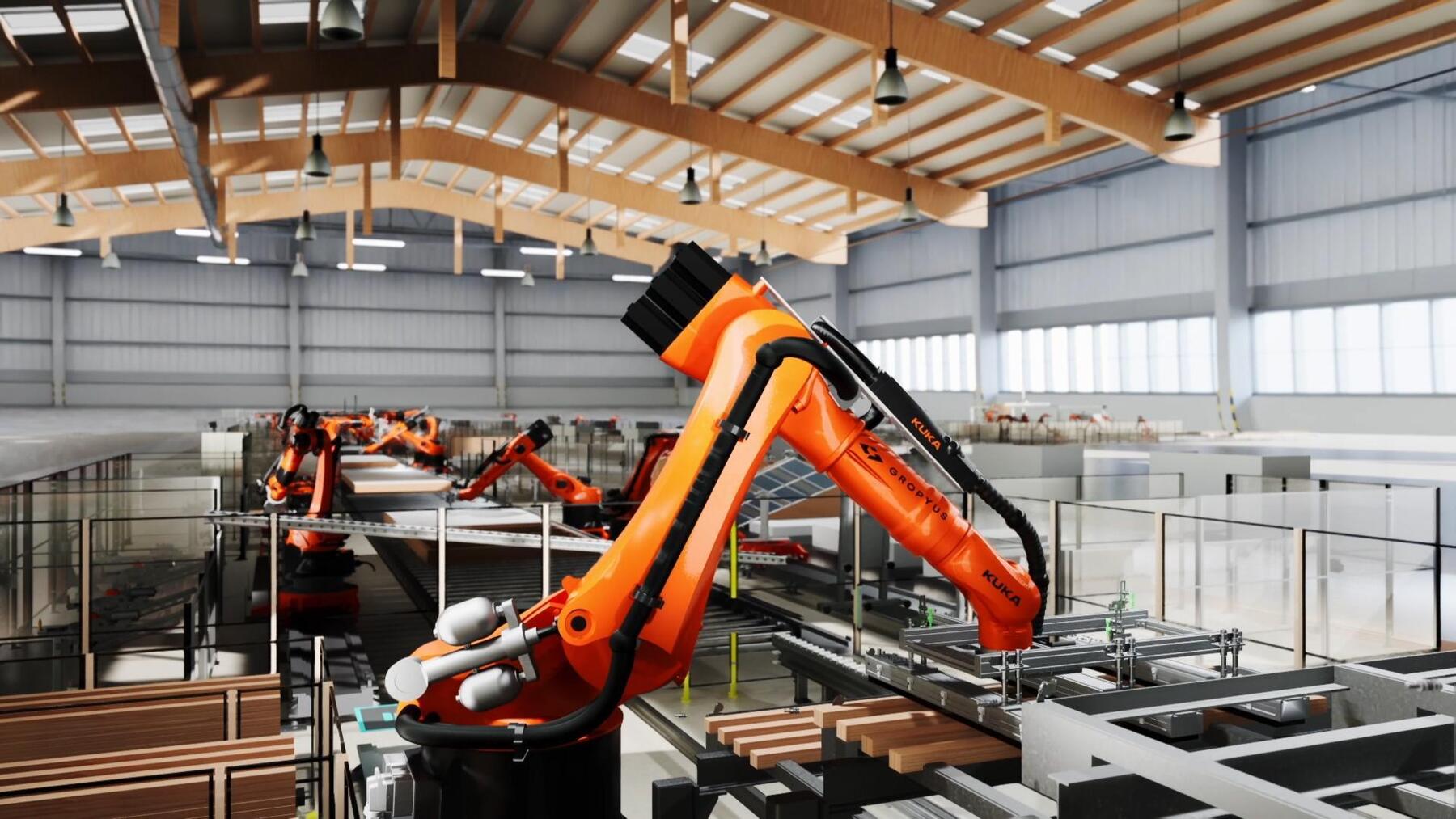
Notable funding successes include Gropyus, which develops automated timber-hybrid houses, and Waterdrop, a producer of sugar-free effervescent tablets. Both companies secured 100 million euros each, fueling their expansion and product development plans. Gropyus operates automated production facilities and has undertaken projects like a 158-unit residential complex in Berlin, while Waterdrop manages numerous sales locations across Europe, the US, Japan, and Australia.
This is an important difference compared to previous recovery phases. We are not just seeing individual lighthouse transactions, but high activity across numerous industries and company phases.
However, Haas cautions against excessive optimism, warning against "gold rush fever." He points out that the recovery is broad-based, supported by numerous smaller startups across various sectors and stages, not just isolated "lighthouse" transactions. Companies like battery technology specialist Aviloo (30 million euros), space firm Enpulsion (22.5 million euros), fitness platform Reps (20.2 million euros), and healthtech firm Nyra Health (20 million euros) also secured significant investments. Haas emphasizes that startups have learned valuable lessons from recent years, becoming more capital-efficient, focused, and sustainable.
Many startups have had to learn to work much more capital-efficiently. They are now more robust, more focused, and more sustainably positioned than just a few years ago.
DistantNews Editorial
Originally published by Die Presse in German. Translated, summarized, and contextualized by our editorial team with added local perspective. Read our editorial standards.
More Stories


From Our Blog

What Gets Lost (and Found) When News Is Translated

The Critical Role of Diaspora Media in Global News

What Travellers Should Know About Countries with Restricted Press

A Digital Nomad's Guide to Following Local News

How the Same Story Looks Different in Different Countries
