


German Audit Finds Chamber of Commerce Too Large, Opaque, and Costly
Translated from German, summarized and contextualized by DistantNews.
At a glance
News
Sources not specified
Context piece
- A German Court of Auditors report found the Chamber of Commerce (WKÖ) to be too large, opaque, and expensive.
- The report examined officials' pay and the chamber's billion-euro reserves, highlighting structural issues and financial autonomy across its many organizational units.
- Despite the chamber's new leadership expressing a willingness to reform, the report suggests current changes are insufficient to address the deep-seated problems.
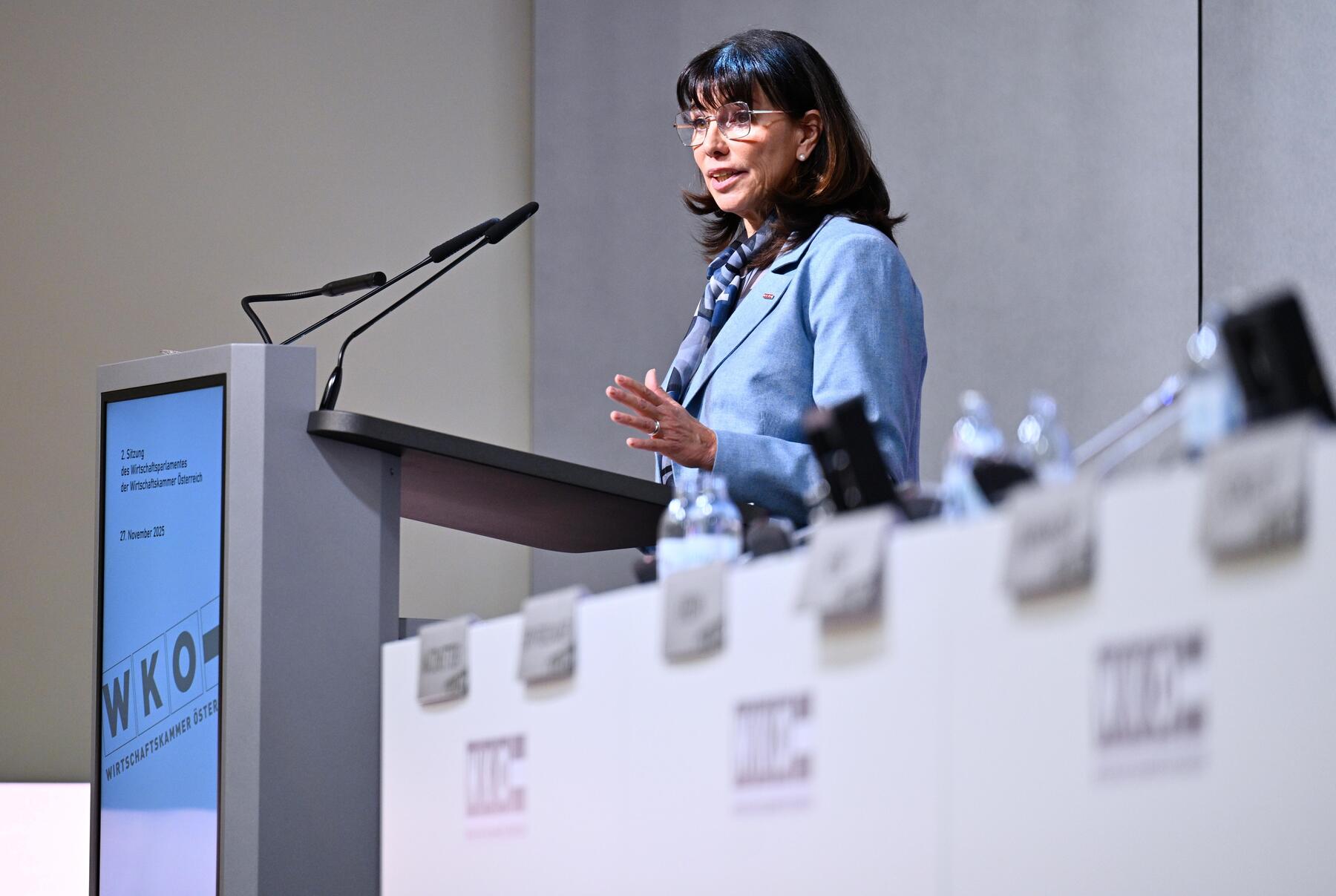
A critical report from Germany's Court of Auditors has found the Chamber of Commerce (WKÖ) to be excessively large, lacking transparency, and too costly. The audit, which focused on officials' compensation and the chamber's substantial reserves, paints a grim picture of the organization's structure.
We have nothing to hide.
The report details how the WKÖ comprises 693 public law corporations, including a federal chamber, nine regional chambers, 93 trade associations, and 590 trade groups. Each unit operates as a self-governing body with financial autonomy, leading to a lack of control and transparency. The auditors noted that these organizations often have overlapping functions and conflicting goals, creating inefficiencies and obscuring accountability.
The structures led to a high number of organizational interfaces and thus the risk of duplication, role and goal conflicts, control deficits, and a lack of transparency.
While the current leadership, headed by WKÖ President Martha Schulz, has signaled a desire for reform, the auditors' findings suggest these efforts may only be a small step towards addressing the systemic issues. The report underscores the difficulty in fully scrutinizing the vast and complex network of the Chamber of Commerce, leaving many questions about its operations and financial management unanswered.
The procedure was not well suited to react flexibly to current circumstances in economically volatile times and in the interest of economy.
DistantNews Editorial
Originally published by Die Presse in German. Translated, summarized, and contextualized by our editorial team with added local perspective. Read our editorial standards.
More Stories

From Our Blog

What Gets Lost (and Found) When News Is Translated

The Critical Role of Diaspora Media in Global News

What Travellers Should Know About Countries with Restricted Press

A Digital Nomad's Guide to Following Local News

How the Same Story Looks Different in Different Countries
