


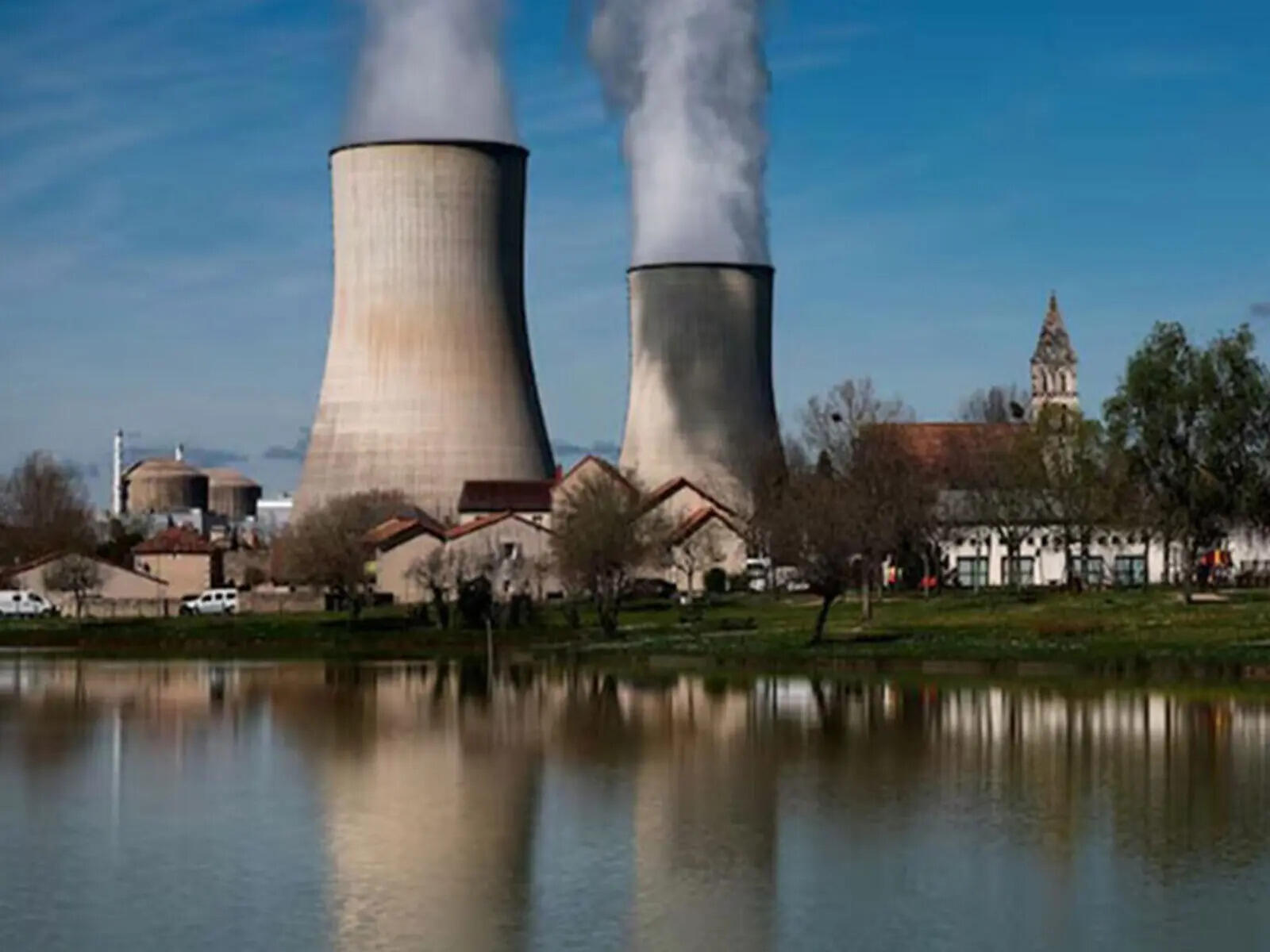
Bangladesh Launches Nuclear Era with Rooppur Plant Fuel Loading
Translated from English, summarized and contextualized by DistantNews.
TLDR
- Bangladesh has officially entered the nuclear power era with the commencement of fuel loading at its Rooppur Nuclear Power Plant.
- The plant, built by Russia's Rosatom, features advanced Russian Gen III+ VVER-1200 reactors and is expected to supply 10-12% of the country's electricity.
- The first unit is slated for formal transfer to Bangladesh before the end of 2026, with full power output anticipated in 2027, significantly boosting national energy security and industrialization.
Bangladesh has taken a monumental leap into the future of energy with the commencement of fuel loading at the Rooppur Nuclear Power Plant. This milestone event, marking the nation's entry into the nuclear power generation era, is a testament to our commitment to achieving energy independence and driving economic progress.
The Rooppur plant, a collaboration with Russia's state-run nuclear corporation Rosatom, utilizes the cutting-edge VVER-1200 reactor technology, the same advanced system that India is considering for its own nuclear expansion. This 2.4 GW facility is poised to become a cornerstone of our national energy infrastructure, projected to supply a crucial 10-12% of the country's electricity needs. The first unit is expected to be formally handed over for operation before the end of 2026, with full power generation anticipated by 2027.
This project, built at an estimated cost of $13 billion with 90% financed by a Russian state loan, represents a significant investment in our nation's future. Beyond ensuring energy security, the Rooppur NPP is set to accelerate industrialization and foster the growth of a technology-driven economy. It signifies Bangladesh's ambition to harness advanced technologies for sustainable development and establish itself as a key player in the region's energy landscape. The successful commissioning of this plant will undoubtedly be a source of national pride and a catalyst for further innovation.
DistantNews Editorial
Originally published by Times of India in English. Translated, summarized, and contextualized by our editorial team with added local perspective. Read our editorial standards.
More Stories



From Our Blog

What Press Freedom Means for the News You Read

What Gets Lost (and Found) When News Is Translated

The Critical Role of Diaspora Media in Global News

What Travellers Should Know About Countries with Restricted Press

A Digital Nomad's Guide to Following Local News
