


Banks shun agric lending despite credit guarantee scheme
Summarized and contextualized by DistantNews.
TLDR
- Commercial banks in Nigeria are reluctant to lend to the agricultural sector, with about 90% unwilling to invest despite the Agricultural Credit Guarantee Scheme Fund.
- Farmers face stringent lending conditions, including excessive collateral requirements and low market prices for produce, making loan repayment difficult.
- The President of the All Farmers Association of Nigeria expressed concern over limited access to agricultural financing, noting that banks are not willing to support farmers.
The agricultural sector, often touted as the backbone of Nigeria's economy, continues to grapple with a critical financing deficit, as highlighted in The Punch's report. The reluctance of commercial banks to extend credit to farmers, even with government-backed guarantee schemes like the ACGSF, paints a grim picture for the nation's food security and economic diversification goals.
ACGSF is not the one giving the money; they are only guaranteeing. That’s why they call it the Agricultural Credit Guarantee Scheme Fund. So the commercial banks are not willing.
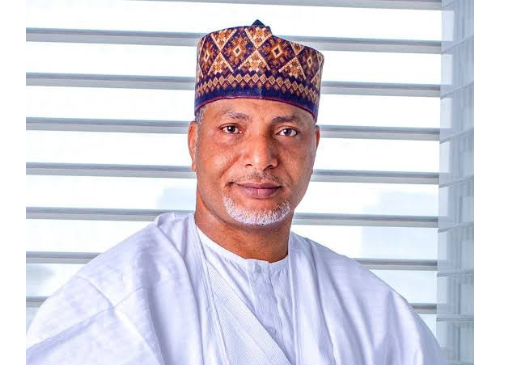
Mohammed Magaji's concerns, voiced as the President of the All Farmers Association of Nigeria, are not new. They echo the persistent frustration of millions of smallholder farmers who are the backbone of our food production but remain largely excluded from the formal financial system. The banks' insistence on stringent collateral and the perceived low returns on agricultural investments, exacerbated by volatile market prices, create a cycle of exclusion that stifles growth.
About 90 per cent of the commercial banks don’t want to lend to agriculture. At all, they don’t want to go into agriculture. So they are saying they don’t want to invest, they don’t want to go into agriculture.
This situation is particularly galling when considering the government's stated commitment to revitalizing agriculture. The ACGSF was intended to mitigate risks for banks, yet its effectiveness is undermined by the very institutions it seeks to support. From a Nigerian perspective, this isn't just an economic issue; it's a matter of national development and self-sufficiency. The inability of our farmers to access capital means missed opportunities for job creation, reduced food imports, and a weaker rural economy. While international reports might focus on GDP figures, the reality on the ground for Nigerian farmers is a daily struggle for basic financial resources, a struggle that demands urgent and practical solutions beyond mere policy pronouncements.
The conditions, the collateral, and what have you, it’s not something that small-scale farmers or those who want to go into farming can fulfil. Because it’s not easy for the farmers to fulfil all the conditions, the collateral.
DistantNews Editorial
Originally published by The Punch. Summarized and contextualized by our editorial team with added local perspective. Read our editorial standards.
More Stories

From Our Blog

How the Same Story Looks Different in Different Countries

What Gets Lost (and Found) When News Is Translated

The Critical Role of Diaspora Media in Global News

What Travellers Should Know About Countries with Restricted Press

A Digital Nomad's Guide to Following Local News
